What to Remember When Your Tire Suddenly Blows Out
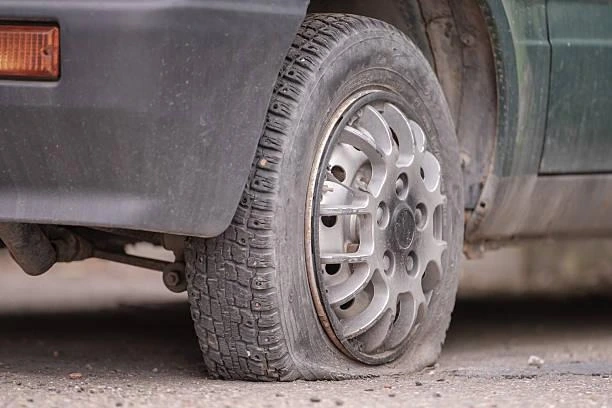
A tire blowout can instantly make your vehicle difficult to control and significantly increase the risk of a crash. Staying calm and reacting correctly in those first few seconds is critical to preventing serious injury. The loud pop, sudden vibration, and pulling sensation may trigger panic, but controlled action makes the difference.
Knowing how to handle a tire blowout can reduce the risk of losing control and prevent a serious crash. Instead of slamming the brakes, you should grip the steering wheel firmly and keep the vehicle moving straight. Gradually easing off the accelerator helps the car slow down safely.
Tire-related crashes continue to cause thousands of accidents each year in the United States. Many of these incidents are linked to badly inflated tires, worn tread, or overheating. Regular tire inspections significantly lower the chances of sudden failure.
Maintaining Control in the First Few Seconds
Immediately after a blowout, your reaction determines whether the situation remains manageable. When a blowout occurs, your vehicle may pull sharply toward the side of the damaged tire. Resist the urge to jerk the steering wheel.
Keep both hands firmly positioned and focus on maintaining a straight path. Sudden movements can cause the vehicle to spin or roll.
Allow the car to decelerate naturally by releasing the accelerator. Braking immediately can shift weight forward and increase instability.
Slowing Down Safely
Once you have stabilized the vehicle, the next priority is reducing speed safely. Once the car stops moving wildly, you can start pressing down on the brakes lightly. At no time should you brake hard, especially if you are going fast on the highway.
As the vehicle slows, signal your intentions clearly. Indicate your move by raising the turn signal and slowly steering the vehicle to the shoulder or any safe area where you can stop. If you can, pick a level spot that’s away from the flow of traffic.
After coming to a complete stop, take steps to alert others. As soon as you have made a full stop, switch on the hazard lights. The signal from your car will get the attention of other drivers to let them know that your vehicle is out of order.
Why Tire Blowouts Happen
Understanding the causes of blowouts can help prevent them. Blowouts often result from preventable maintenance issues. Underinflated tires create excess heat buildup, weakening internal structures.
The Centers for Disease Control and Prevention notes that proper tire maintenance plays a key role in preventing road injuries. Bald tread, road debris, and overloaded vehicles also increase risk.
Environmental conditions also contribute. Extreme temperatures can make tire pressure fluctuate. Both hot pavement and cold weather affect internal air pressure levels.
Warning Signs Before a Blowout
In many cases, tires provide warning signs before failure. Tires often show subtle signs before failure. Paying attention to these warnings can prevent emergencies.
Common indicators include:
- Uneven tread wear
- Cracks or bulges on sidewalls
- Frequent loss of air pressure
- Steering vibration at high speeds
Routine inspections allow drivers to replace tires before conditions become dangerous.
The Importance of Proper Tire Maintenance
Because many blowouts are preventable, routine maintenance is essential. Does regularly checking the pressure of your car tires help prevent a sudden tire blowout? It is advised to check the tire pressure with a trustworthy gauge and consistently follow the manufacturer’s recommendations, which can be found on the inside of the driver’s door frame.
Rotating your tires at intervals of 5, 000 to 7, 500 miles helps tires wear evenly. Balanced tires are not only more durable, but they also enhance the vehicle’s stability.
Handling a Blowout on the Highway
Blowouts become even more dangerous at higher speeds. Highway speeds increase the severity of blowouts. The faster the vehicle moves, the more force affects steering control.
Avoid overcorrecting if the vehicle swerves. Smooth steering maintains balance.
Once safely stopped, do not attempt tire changes in unsafe traffic conditions. Call roadside assistance if visibility or shoulder space is limited.
What to Do After You Stop
After reaching a safe location, assess the damage carefully. Inspect the damaged tire carefully. Look for visible punctures, shredded rubber, or rim damage.
If you have a spare tire and safe conditions, replace it following the proper procedure. Otherwise, contact professional roadside services.
Driving on a blown tire can damage the wheel and suspension. Avoid continuing travel until repairs are complete.
Key Takeaways
- Stay calm and keep a firm grip on the steering wheel.
- Do not slam the brakes immediately after a blowout.
- Gradually release the accelerator to slow down safely.
- Maintain proper tire pressure and tread depth to reduce risk.
- Watch for warning signs like vibration or sidewall bulges.
- Pull over safely and use hazard lights to alert other drivers.