Who Is Responsible After an Amazon Van or Truck Crash?
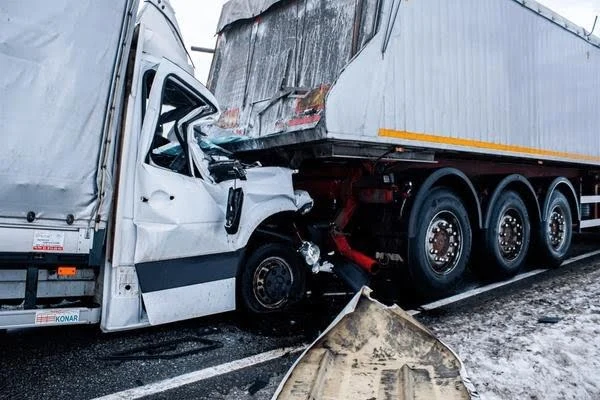
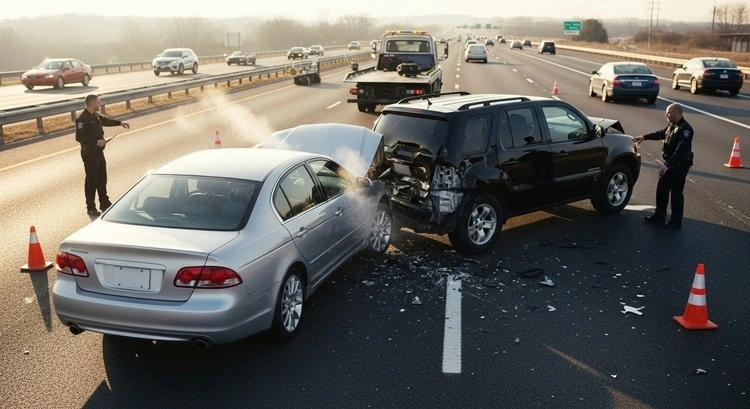
Responsibility after an Amazon van or truck crash depends on who caused the accident and how the delivery operation was structured. Liability may fall on the driver, the delivery company, Amazon, or even another motorist.
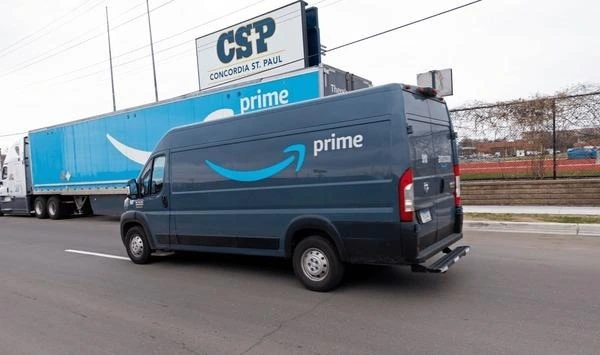
Cases involving Amazon van and truck accidents are often more complex than typical car crashes. Amazon frequently uses third-party delivery service partners rather than hiring every driver directly. Determining who is legally responsible requires reviewing contracts, insurance policies, and the specific facts of the crash.
Understanding how liability works can help injured victims pursue the correct party.
The Amazon Delivery Driver
The driver may be directly responsible if their negligence caused the collision.
Common examples of negligence include:
- Speeding
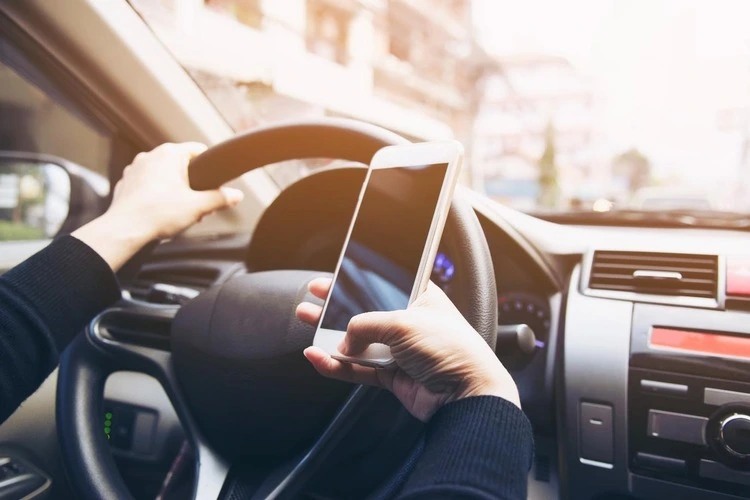
- Distracted driving
- Following too closely
- Running red lights
- Driving while fatigued
If the driver violated traffic laws or acted carelessly, they can be held personally liable for resulting damages.
Can the Delivery Service Company Be Liable?
In many situations, the driver works for an independent delivery service partner.
Under the legal principle of employer liability, companies are generally responsible for employees acting within the scope of their job duties. If the crash occurred while the driver was making deliveries, the delivery company may share responsibility.
These companies usually carry commercial auto insurance with higher coverage limits than personal policies.
Amazon’s Potential Responsibility
Amazon often argues that drivers are independent contractors and not direct employees. However, liability does not always depend only on job titles.
Courts may look at how much control Amazon exercises over:
- Delivery schedules
- Required routes
- Vehicle standards
- Safety procedures
If Amazon’s policies contributed to unsafe conditions, it may share responsibility.
What If Multiple Parties Share Fault?
Truck crashes often involve more than one contributing factor.
For example:
- The delivery driver may have been speeding.
- Another driver may have failed to yield.
- Poor road conditions may have contributed.
In such cases, fault can be divided among multiple parties. Compensation may be adjusted based on each party’s percentage of responsibility.
Commercial Insurance Coverage
Delivery vehicles are usually covered under commercial insurance policies.
These policies may include:
- Commercial auto liability coverage
- Corporate umbrella coverage
- Employer liability policies
Because commercial policies often have higher limits, identifying the correct coverage is critical in serious injury claims.
The Role of Maintenance and Vehicle Defects
Not every crash is caused by driver error.
Mechanical issues such as brake failure, tire defects, or steering problems can play a role. If the vehicle was poorly maintained, the delivery company may be responsible.
If a defective part contributed to the crash, a manufacturer could also be liable under product liability laws.
What Evidence Is Important After the Crash?
Strong evidence is essential in Amazon delivery cases.
Important documentation may include:
- GPS tracking data
- Delivery schedules
- Driver employment records
- Maintenance logs
- Police reports
- Witness statements
Electronic data can reveal whether the driver was rushing to meet strict delivery quotas.
Preserving this information quickly is important, as companies may not keep records indefinitely.
Steps to Take After an Amazon Delivery Crash
Taking immediate action protects your legal rights.
- Seek medical attention right away.
- Contact law enforcement and request an official report.
- Take photos of vehicle damage and the accident scene.
- Collect contact information from witnesses.
- Avoid giving recorded statements to insurance companies without legal advice.
Prompt action helps prevent disputes about fault later.
Why Determining Responsibility Matters
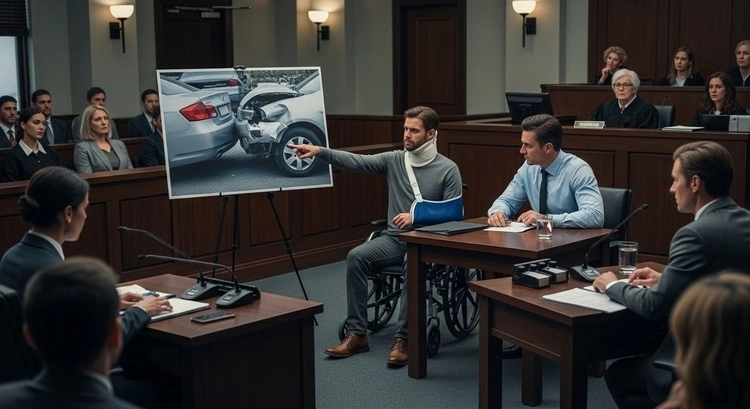
Amazon delivery crashes often result in significant injuries. Medical expenses, lost wages, and long-term care costs can be substantial.
Identifying the correct responsible party ensures that the proper insurance coverage applies. Corporate defendants may have larger policies than individual drivers.
Without a careful investigation, victims may pursue the wrong party and limit their recovery options.
When Should You Seek Legal Help?
Legal guidance is especially important when:
- Multiple parties are involved
- The trucking company denies fault
- Injuries are severe
- Insurance offers seem low
An attorney can investigate employment relationships, insurance coverage, and corporate involvement.
Key Takeaways
- Responsibility depends on the driver’s actions and the employment structure.
- The delivery driver may be personally liable.
- The delivery service company can share responsibility.
- Amazon may be liable depending on operational control.
- Multiple parties can share fault in one crash.
- Commercial insurance policies often provide higher coverage.
- Early evidence preservation strengthens your claim.