Car Door Damage Repair Cost: A Complete Guide to Pricing, Methods, and Solutions
Your car door is the primary entry point to your vehicle, and unfortunately, it is also one of the most vulnerable parts of the exterior. Whether it’s a runaway shopping cart in a grocery store parking lot or a side-impact collision on the highway, door damage is an incredibly common headache for drivers. You may be considering replacing your car altogether, but if your budget is limited, exploring reliable car finance options from Azora could be a more practical solution.
Beyond the cosmetic annoyance of a dent or scratch, a damaged door can compromise the safety and functionality of your vehicle. The door panel houses complex components like window regulators, lock actuators, side-impact airbags, and sensors. Ignoring what looks like a minor dent could lead to rust issues later or hide internal structural damage.
An Overview of Car Door Panel Damage
When you start looking at repair options, you will quickly realize that pricing varies wildly. A small ding might cost the price of a nice dinner to fix, while a deep crease could rival the cost of a vacation. The reality is that modern vehicles are complex machines. The outer skin of the door is designed to crumple to absorb energy, but the internal “intrusion beam” is built to stay rigid to protect passengers.
Understanding the context of your damage is the first step in budgeting for repairs. While minor mishaps are often out-of-pocket expenses, broader collision damage involves a different financial landscape. It is worth noting that car crashes in the United States result in high costs in what areas do these high-costs occur, often extending beyond just the repair bill to include insurance premiums and diminished vehicle value. Knowing this helps you decide whether to file a claim or pay cash for the repair.
What Factors Affect the Cost of Car Door Repair?
There is no single “flat rate” for fixing a door because no two dents are exactly alike. Auto body shops use specific formulas to estimate costs, and understanding these variables can help you make sense of the quote you receive.
Type and Severity of the Damage
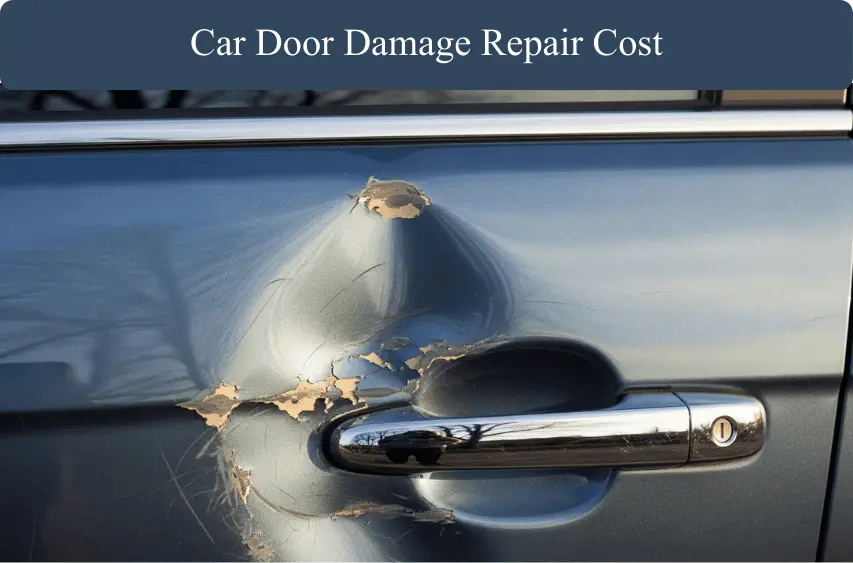
The most obvious cost driver is the extent of the trauma to the metal. Mechanics and estimators categorize damage into levels. A “clean” dent, where the paint remains unbroken, is significantly cheaper to fix than a “sharp” dent where the metal has stretched or the paint has cracked. If the damage extends to the internal safety beams or the door frame itself, you are moving away from simple bodywork and into structural repair, which drives the price up substantially.
Location of the Dent on the Car Door
Where the impact occurred matters just as much as how hard it was. A dent in the center of a flat door panel is relatively easy for a technician to access and smooth out.
However, if the dent is located on a “body line”—that sharp, stylish crease that defines the car’s shape—the repair becomes difficult. Recreating that factory-sharp line requires immense skill and time. Similarly, damage near the very edge of the door is problematic because the metal is folded over and double-thick in those areas, making it hard to manipulate.
Vehicle Make, Model, and Materials
The car you drive dictates the materials the technician must work with. Traditional steel doors have “memory,” meaning they want to return to their original shape. Aluminum doors, found on many modern trucks and luxury electric vehicles, do not have this memory. Aluminum is more difficult to reshape and often requires specialized equipment and training, leading to a higher labor rate. Furthermore, luxury brands often use complex paint finishes and proprietary electronics that increase part prices.
Shop Location and Labor Rates
Geographic location plays a massive role in your final bill. A collision center in a major metropolitan area with high overhead will have a higher hourly labor rate than a smaller shop in a rural area. Additionally, dealership service centers typically charge more than independent body shops, though they offer specialized knowledge of your specific brand.
Breakdown of Car Door Repair Costs by Damage Type
To give you a realistic budget, we need to look at specific repair scenarios. These ranges include parts and labor but can fluctuate based on the factors mentioned above.

Paintless Dent Repair (PDR) Costs
For minor dings where the paint is still intact, Paintless Dent Repair (PDR) is the industry standard. This technique involves using specialized metal rods to massage the dent out from the backside of the panel.
- Estimated Cost: $75 – $500
- Why it’s cheaper: It eliminates the need for body filler, sanding, and drying time. Most PDR technicians charge by the size of the dent (e.g., $100 for the first inch, $30 for each additional inch).
Scratches, Scuffs, and Paint Refinishing
Once the paint is broken, PDR is no longer an option. The shop must sand down the area, apply body filler to restore the surface, and then repaint. This is where costs jump because painting is not just about spraying color; it is about chemistry and blending.
To make the repair invisible, the technician often has to paint the repaired door and then “blend” the clear coat into the adjacent fender and rear quarter panel. If you are curious about the specific breakdown of materials and labor for this process, you can read more on how much does it cost to paint a car.
- Estimated Cost: $300 – $1,000+
- The Process: Includes sanding, priming, base coat application, and clear coat application.
Rust and Corrosion Treatment
Rust is essentially “car cancer.” If a scratch is left untreated, moisture touches the bare metal, and oxidation begins.
- Estimated Cost: $400 – $1,500
- The Variability: Surface rust can be sanded off and repainted. However, if the rust has eaten through the metal (rot), the shop will need to cut out the bad section and weld in a new patch panel, which is a labor-intensive process.
Window, Handle, and Internal Component Repairs
Sometimes the damage isn’t to the metal skin but to the parts attached to it. A side-swipe accident often shears off mirrors or crushes door handles.
- Window Regulator/Motor: $300 – $600. If your window is stuck or fell inside the door, the regulator usually needs replacing.
- Side Mirror Assembly: $200 – $1,500. Modern mirrors with cameras, blind-spot monitoring, and heating elements are incredibly expensive parts.
- Door Handles/Latches: $150 – $400. This includes the cost of removing the interior door card to access the linkage.
How Much Does It Cost to Replace a Car Door?
Sometimes, the damage is simply too severe for a technician to hammer out. When the structural integrity of the door is compromised, or the cost of labor to fix the dents exceeds the value of the part, replacement becomes the smarter financial move.
Replacing a door isn’t just about bolting on a new piece of metal. It involves “gutting” the old door—removing the glass, speakers, wiring harness, and switches—and installing them into the new shell.
The Cost of a New Door Shell vs. Used Assembly
You generally have two options when buying a replacement door, and your choice heavily dictates the price tag.
- New OEM Shell ($800 – $2,500+): A brand-new door shell directly from the manufacturer guarantees a perfect fit. However, it comes as bare metal. It must be primed, painted, and sealed, which adds labor hours.
- Used / Salvage Assembly ($200 – $800): A cheaper route is finding a door from a salvage yard. If you are lucky, you might find one in the same color as your car. However, even a color-matched door often requires “blending” because paint fades differently over time depending on sun exposure.
Additional Material Costs
Don’t forget the small things. A replacement quote will often include line items for weatherstripping, sound-deadening pads, and plastic clips that almost always break when you pry the door panel off. These small parts can add $50 to $150 to the final invoice.
Repair vs. Replace: Making the Right Decision
How do you know which path to take? Professional estimators usually follow a simple rule of thumb called the “repair ratio.”
When is Repair the Best Option?
If the dent is purely cosmetic—meaning the intrusion beam inside the door is straight and the door closes properly—repair is usually preferred. It preserves the original factory seal and corrosion protection. Generally, if the estimated repair cost is less than 75% of the replacement cost, the shop will recommend fixing the existing panel.
When is Replacement Necessary?
Replacement is non-negotiable if safety is at risk. If the side-impact beam is bent, the door creates a safety hazard in the event of another crash. Additionally, if the metal is torn or stretched beyond its elastic limit (often called “oil-canning,” where the metal pops in and out loosely), a replacement is required to restore rigidity.
Professional Repair vs. DIY: Is it Worth It?
With YouTube tutorials available for everything, you might be tempted to grab a plunger or a dent repair kit and try it yourself. While DIY is great for changing oil, bodywork is an art form that requires patience and experience.
Risks of DIY Door Repair
The biggest risk with DIY bodywork is making a small problem bigger. Pushing a dent too hard can crack the paint, leading to rust. Furthermore, if you decide to repaint the door yourself or try a custom look to hide the damage, be careful with your material choices. Certain finishes, like highly reflective chrome or specific emergency-vehicle colors, can get you in trouble. It is always wise to check what color is illegal to use on cars before applying any custom paint to your vehicle.
Benefits of Professional Craftsmanship
A professional shop offers something you can’t get in your driveway: a warranty. Most reputable shops guarantee their paint and bodywork for as long as you own the vehicle. They also have the tools to recalibrate sensors, ensuring your blind-spot monitors work correctly after the bumper or door is reinstalled.
Does Insurance Cover Car Door Damage?
Whether your insurance pays the bill depends entirely on how the damage happened and what policy you hold.
Collision vs. Comprehensive Coverage
- Collision Insurance: This covers damage if you hit another car or an object (like a pole or mailbox). This is the most common claim type for door replacements.
- Comprehensive Insurance: This covers “acts of God” or non-driving incidents. If a shopping cart hits your door due to wind, or if hail peppers the side of your truck, this falls under comprehensive coverage.
Deductibles and Claim Considerations
Before filing a claim, do the math. If the repair costs $600 and your deductible is $500, filing a claim only saves you $100 but could raise your monthly premiums. It is often smarter to pay out-of-pocket for repairs that are close to your deductible amount.
How Damage Affects Your Vehicle’s Resale Value
Appearance drives value. When you trade in a car, the appraiser looks at the bodywork first. A door with visible dents or mismatched paint signals to a buyer that the car might have been neglected. Investing in a quality repair now helps you retain that value later. Documenting the repair with receipts from a certified shop proves to future buyers that the work was done correctly, rather than being a cheap cover-up.
FAQs
Minor PDR can be done in a few hours. Traditional bodywork usually takes 2-4 days to allow for paint drying and polishing. A full replacement may take up to a week if parts need to be ordered.
Minor bends can sometimes be straightened, but a kinked or cracked door frame usually requires a full door replacement to ensure the window seals correctly and the door locks safely.
Generally, you can drive with dents. However, if the door cannot close securely, the window is shattered, or a side mirror is missing, the vehicle may be deemed unsafe for the road by law enforcement.
Conclusion
Car door repair costs are not one-size-fits-all. They range from affordable paintless dent removal to expensive structural replacements. By understanding the severity of your damage and the repair methods available, you can have a productive conversation with your body shop and ensure you get a fair price for a quality repair. Always prioritize safety and long-term value over a quick, cheap fix.