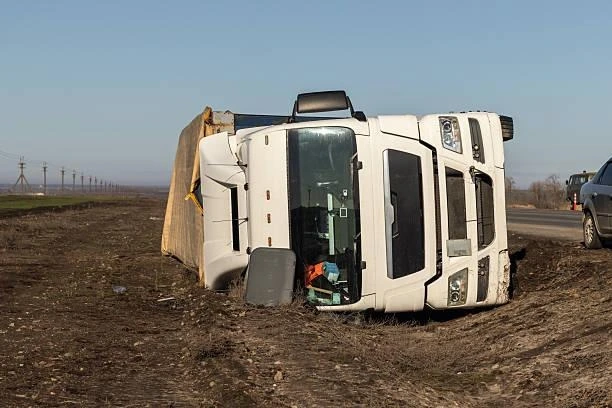
Emerging Technologies to Prevent Large Truck Accidents
Some of these technologies include Automatic Emergency Braking, Fatigue Detection and Monitoring System, Electronic Stability Control (ESC), and Blind-Spot Monitoring Systems. They’re designed to step in when humans hesitate, misjudge distance, or simply get tired.
If you’ve ever driven near a fully loaded semi-truck, you know the feeling. The size alone is intimidating. And when something goes wrong, the damage isn’t minor, which is exactly why preventing 18-wheeler wrecks has become such a serious focus in the transportation world.
The goal isn’t to replace drivers. It’s to support them. Because even the best driver in the world can have an off moment. We all can.
Key Technologies for Truck Safety
Automatic Emergency Braking
Automatic Emergency Braking (AEB) uses radar and cameras to detect obstacles. If the driver doesn’t hit the brakes fast enough, the system does it for them. No drama; just force applied at the right time.
It doesn’t eliminate crashes entirely. But it can reduce speed before impact, and that reduction can mean the difference between a fatal crash and a survivable one.
Blind-Spot Monitoring Systems
Truck blind spots are huge. You could hide a small car in them.
Blind-spot monitoring systems use sensors to detect vehicles riding alongside the trailer. When something’s there, the driver gets a warning light or sound. Simple idea, but big impact.
According to research cited by the Federal Motor Carrier Safety Administration, blind-spot detection systems can reduce lane-change crashes by around 30% in heavy vehicles. That may not sound dramatic, but on busy highways, 30% is significant.
Fatigue Detection and Monitoring System

Long-haul trucking is exhausting. Fatigue monitoring systems track subtle cues such as eye movement, steering behavior, and even head position. If something looks off, the driver gets an alert.
Some drivers don’t even realize how tired they are until the alert sounds. That’s the scary part about fatigue. You don’t always see it coming.
Electronic Stability Control (ESC)
Heavy trucks can tip, especially on sharp curves or slick roads. This is where the SC comes in handy.
Electronic Stability Control quietly monitors wheel speed and steering input. If the truck starts to lose balance, ESC adjusts braking automatically. It feels almost invisible to the driver.
Advanced Driver Assistance Systems (ADAS)
ADAS is really a bundle of features. This includes forward collision warnings, adaptive cruise control, and lane alerts.
Think of it as a second pair of eyes for drivers. Or maybe a quiet co-pilot who doesn’t talk much but speaks up when it matters.
Drivers still control the truck. They’re not handing over the wheel. But they’re not alone anymore, either.
Telematics System
This technology works more behind the scenes.
Telematics systems collect driving data such as speed, braking patterns, and engine performance. Fleet managers review the data and coach drivers where needed.
Some drivers don’t love the idea at first, as it feels like being watched. But over time, many admit it helps build safer habits.
Lane Departure Warning Systems
Ever drift slightly in your lane without realizing it? It happens.
Lane departure warning systems monitor road markings and alert the driver if the truck moves without signaling. It sounds small. But on long, empty highways, small alerts can prevent very large consequences.
Why Emerging Truck Safety Technologies Matter
Here’s the hard truth: large truck crashes are still common. According to the National Safety Council (NSC), about 160,000 injury crashes involving large trucks were reported in a recent year. That’s not a small number. Not even close.
And most crashes aren’t caused by bad intentions. Research estimates that over 90% of crashes involve human error such as distraction, fatigue, and delayed reactions.
That’s where these technologies matter.
- They don’t get distracted.
- They don’t blink.
- They don’t check their phones.
Some people argue tech can’t replace human instinct, and they’re right, but it can absolutely back it up.
Final Thoughts
Truck safety isn’t just about stronger steel or bigger brakes anymore. It’s about smarter systems working quietly in the background.
Technology won’t make roads perfect. Nothing will. But it does reduce risk, and when thousands of heavy trucks are on the road every day, even small improvements add up.
Quick Recap
- Truck crashes remain a serious issue, with over 160,000 injury crashes reported in a recent year.
- Human error contributes to over 90% of road accidents.
- Automatic Emergency Braking reduces impact severity.
- Fatigue monitoring helps prevent drowsy driving.
- ESC lowers rollover risk
- Blind-spot monitoring reduces lane-change crashes.
- ADAS adds an extra layer of awareness
- Telematics improves long-term driving behavior.
- Lane departure warnings prevent drifting accidents.