How Long Does a Collision Estimate Take?
If you have just been in an accident, your immediate priority is getting your vehicle back on the road. But before any wrenches turn or paint is sprayed, you need a collision estimate. Most drivers assume this is a quick process, but the timeline can vary significantly based on what the estimator finds.
For minor cosmetic damage, a standard estimate typically takes between 15 to 30 minutes. However, if your vehicle is not drivable or has sustained severe structural impact, the process requires a deeper analysis that can last 24 to 48 hours or more.
The clock doesn’t just run on the inspection itself. Factors like insurance carrier approval, parts availability checks, and the need for mechanical “teardowns” all play a role. This guide breaks down exactly how long you will wait and what happens during those critical hours.
Average Timeframes for Collision Estimates
The duration of your appointment largely depends on the condition of your vehicle when it arrives at the shop. Estimators categorize inspections into two main buckets: drivable and non-drivable.
Minor Damage (Drivable Vehicles)
If you can safely drive your car to the shop, the estimation process is usually swift. This category covers surface-level issues like bumper scuffs, fender benders, or keyed paint.
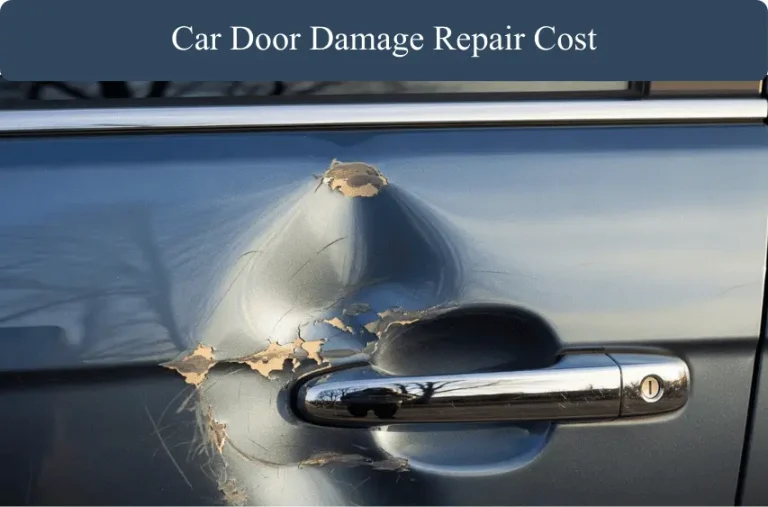
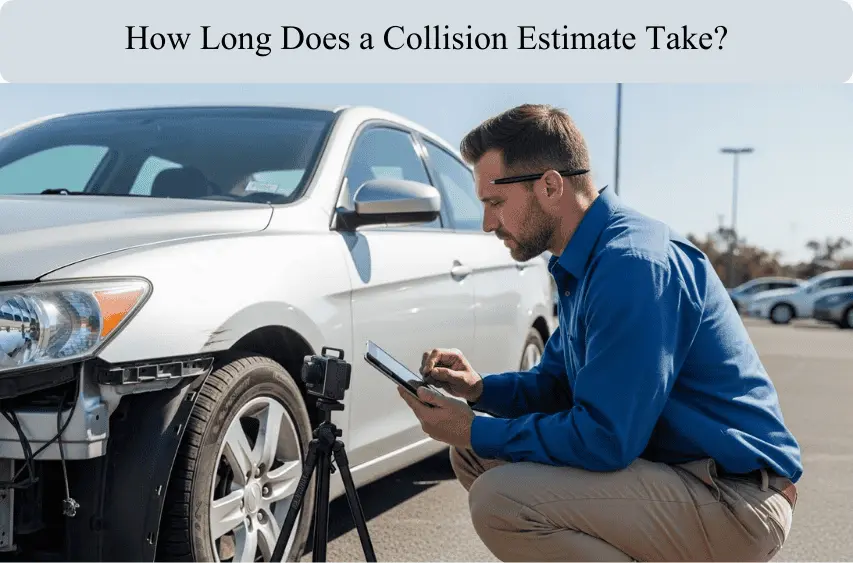
You will typically spend about 10 minutes with the estimator as they walk around the vehicle, taking photos and notes. They then spend another 15 to 20 minutes inside the office generating the paperwork. For instance, a side-swipe might look bad, but if the impact didn’t jam the latch, the estimator can quickly calculate the car door damage repair cost without needing to take the door apart. In these cases, you often leave with a printed quote in under half an hour.
Major Damage (Non-Drivable Vehicles)
When a car arrives on a tow truck, the timeline expands. You cannot simply glance at a crumpled hood and know the full extent of the repair.
For non-drivable vehicles, the shop may need one to two days to provide a finalized estimate. This isn’t because they are slow; it is because they must often wait for a bay to open up so they can put the car on a lift. They need to check for frame alignment issues or leaking fluids, which requires a more technical setup than a parking lot inspection.
What an Estimate Entails: The Inspection Process
Many vehicle owners mistake an estimate for a simple price guess. In reality, it is a technical blueprint for the entire repair. The estimator isn’t just looking at what is broken; they are planning how to fix it according to manufacturer safety standards.
Visual Inspection vs. Teardowns
A visual inspection is what happens in the parking lot. The estimator looks at visible panels, lights, and glass. This is sufficient for small dings.
However, modern cars are complex. A plastic bumper cover often hides sensitive sensors, impact absorbers, and cooling systems. If the estimator suspects internal damage, they must perform a “teardown.” This involves physically removing parts to see what lies beneath. A teardown adds significant time—often several hours—but it ensures you don’t get hit with surprise costs later.
Cost Calculations and Labor
Once the physical inspection is done, the estimator sits down to write the sheet. This is where the math happens. They must look up part prices from local dealers and calculate the specific labor hours needed for each task.
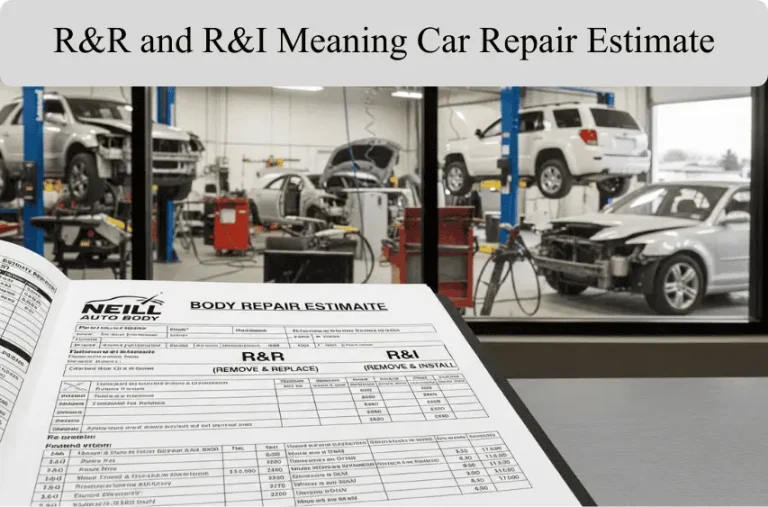
This part of the process can get technical. You might see codes on your paperwork that look confusing. For example, the estimator has to decide if a part needs to be completely replaced or if they can just remove it to fix the panel behind it. Understanding what R&R and R&I mean on your car repair estimate is crucial here. “R&I” (Remove and Install) takes less time and money than “R&R” (Remove and Replace), and getting this distinction right takes time and expertise.
Factors That Influence the Timeline
Even if the physical inspection goes quickly, external factors can pause the clock. The most common delays usually happen after the technician puts down their clipboard.
Insurance Carrier Involvement
Who pays for the repair dictates the speed of the estimate. If you are working with an insurance company, the shop often has to wait for approval before finalizing the paperwork.
- Direct Repair Programs (DRP): If the shop is a preferred partner for your insurer, they can often upload the estimate digitally. This is the fastest route, often resolving within hours.
- Field Adjusters: Some insurance companies still send their own adjusters to inspect the car physically. You might have to wait 2 to 5 days for the adjuster to fit your vehicle into their route.
Hidden Damage and Supplements
Sometimes, the initial estimate is just a starting point. Once repairs begin and parts are removed, technicians often find additional damage that wasn’t visible earlier. This is called a “supplement.”
For instance, a bumper repair might reveal a crushed absorber underneath. This halts the process because the shop must write a new estimate for the extra work and get approval again. While this doesn’t change the time of the initial estimate, it definitely extends the time before you get a final, approved price.
Strategic Considerations for Vehicle Owners
Knowing how the system works allows you to make smarter decisions about when and how to get your estimate.
Should I Get an Estimate Before Filing a Claim?
Many drivers hesitate to call their insurance immediately. Getting an independent estimate first can be a smart move, especially if you have a high deductible.
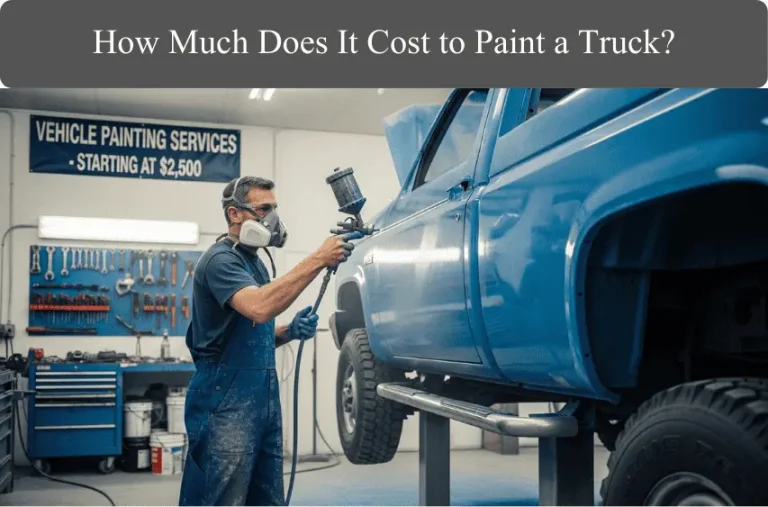
If the damage is purely cosmetic, you might find that the repair bill is lower than your deductible plus the potential rate increase. For example, if you just have a few scratches, checking how much it costs to paint a car can help you decide if it’s worth filing a claim at all. If the estimate comes in at $800 and your deductible is $1,000, paying out of pocket is the obvious choice.
Can I Use Online Calculator Tools?
In the age of convenience, many websites offer “instant” repair estimates. While tempting, these should be treated with caution.
Online calculators and “photo estimates” often miss critical details. They rely on generic data and cannot see structural misalignments or paint blending requirements. They are useful for getting a rough ballpark figure, but no reputable shop or insurance company will accept an online screenshot as a valid repair plan. Always have a professional inspect the vehicle in person for numbers you can trust.
What Happens After You Get an Estimate?
Once the estimator hands you the paperwork, the ball is in your court.
Reviewing the Repair Plan
Take a moment to review the line items. You should see a breakdown of parts, labor hours, and paint materials. Ask the estimator to explain anything you don’t understand, particularly regarding the use of OEM (Original Equipment Manufacturer) parts versus aftermarket alternatives.
Scheduling the Repair
Remember that an estimate is not a slot on the schedule. If you are happy with the quote, you need to book the repair immediately. Quality shops are often booked weeks in advance. Ask for a “cycle time”—which is the shop’s estimate of how many days the actual repair will take once the car is in the bay—so you can plan your rental car needs accordingly.
Conclusion
Getting a collision estimate is a necessary step that sets the tone for your entire repair experience. While a 20-minute inspection is standard for minor dents, be prepared for a longer wait if your vehicle has structural damage or requires insurance approval.
The key is patience and communication. Don’t rush the estimator; a thorough inspection now prevents expensive surprises later. By understanding the process, you can ensure your vehicle is repaired safely, accurately, and as quickly as possible.