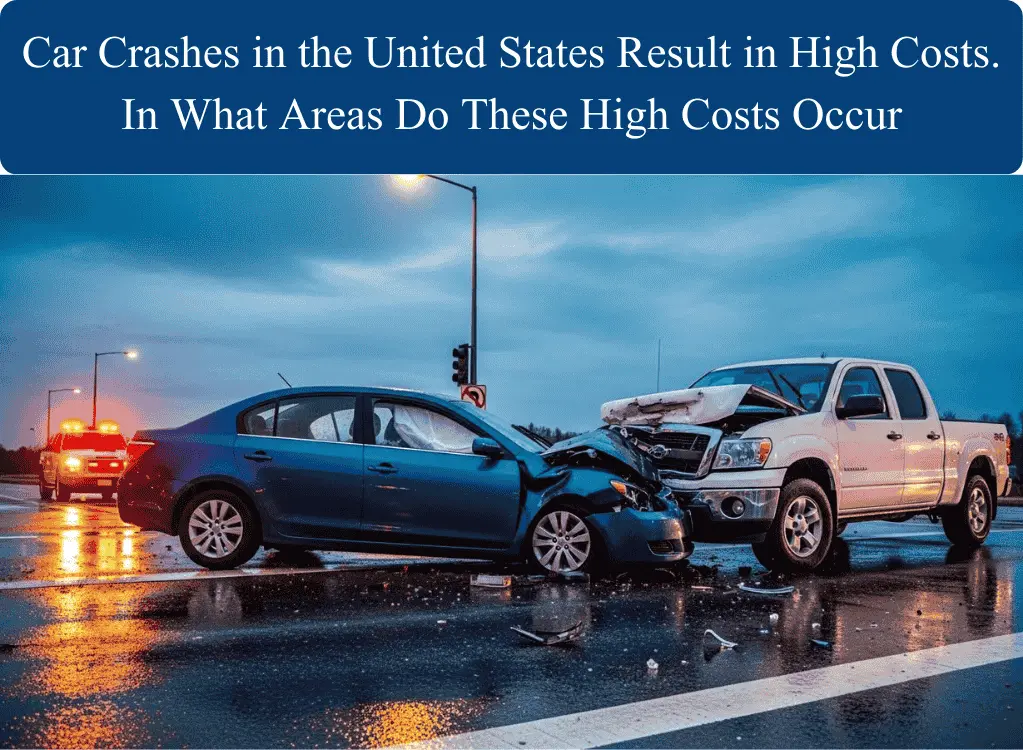
Car Crashes in the United States Result in High Costs. In What Areas Do These High Costs Occur?
The United States has one of the most extensive road networks on the planet, and with that comes a staggering number of vehicles. While driving is a daily necessity for millions, it carries a heavy price tag that goes far beyond the sticker price of a car. We often hear about the emotional toll of road accidents, but the financial reality is just as shocking.
According to recent data, the National Highway Traffic Safety Administration (NHTSA) estimates that car crashes cost the U.S. economy hundreds of billions of dollars annually. When you factor in the loss of quality of life, that figure skyrockets into the trillions. These aren’t just abstract numbers; they represent real burdens on families, businesses, and taxpayers. From the moment a collision happens, the meter starts running. In this breakdown, we will explore exactly where these high costs occur and why they continue to climb.
Direct Financial Costs: The Immediate Expenses
The most visible costs are the ones that hit immediately after an accident. These are the bills that show up in the mailbox within days or weeks, demanding immediate payment. Whether it involves fixing a crumpled fender or paying for an emergency room visit, these direct expenses form the bulk of the initial financial shock.
Medical and Healthcare Expenditures
The first and often most expensive consequence of a crash is the cost of human health. When a serious accident occurs, the medical bills start piling up before the victim even reaches the hospital. Ambulance rides, emergency room fees, and urgent diagnostic tests like X-rays and MRI scans create an instant financial hole.
For severe cases, the costs are catastrophic. Injuries such as traumatic brain injuries (TBI) or spinal cord damage often require complex surgeries and weeks of hospitalization. But the spending doesn’t stop when the patient is discharged. Many victims face months or even years of physical therapy and rehabilitation to regain basic mobility. Even with good health insurance, the out-of-pocket costs for deductibles and co-pays can drain a family’s life savings in a matter of months.
Property Damage and Vehicle Repair
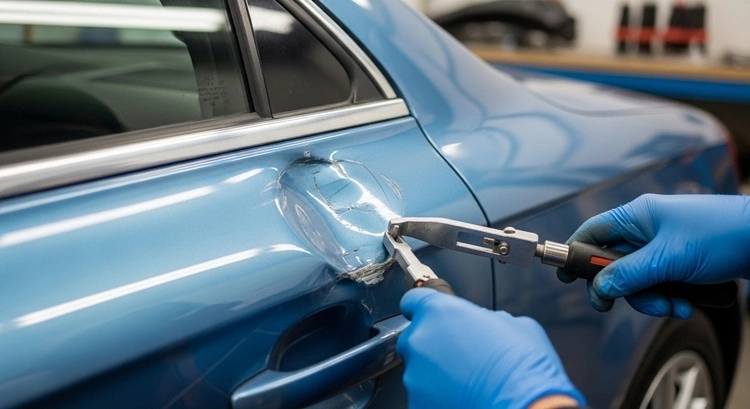
If you walk away from a crash unharmed, your wallet might still take a beating at the repair shop. Vehicle damage is the second most common financial burden. In the past, a fender bender meant replacing a simple steel bumper. Today, that same bumper is packed with sensors, backup cameras, and advanced safety tech.
Repairing these modern high-tech vehicles is incredibly expensive because it requires specialized parts and labor. In many cases, insurance adjusters might declare a car a “total loss” simply because the cost to recalibrate the safety systems exceeds the vehicle’s value. Beyond the repair itself, drivers often have to pay for towing services and storage fees while their car sits in a lot. If you rely on your car for work, you also face the added daily expense of a rental vehicle until yours is back on the road.
Damage to Public and Private Infrastructure
When a car spins out of control, it rarely just hits another car. Often, it takes out everything in its path. We frequently see smashed guardrails, toppled utility poles, and damaged traffic signals. These are not cheap to fix. A single street light can cost thousands of dollars to replace.
Who pays for this? Usually, the local government—and by extension, the taxpayer—foots the initial bill to ensure public safety is restored quickly. However, the city will often try to recover these costs from the driver’s insurance. If the crash involves private property, such as crashing into a storefront or a homeowner’s fence, the property damage liability portion of an insurance policy kicks in. If coverage limits are too low, the driver could be personally sued for the difference.
Here is Part 2 of the article, continuing with the same professional, easy-to-read style.
The Hidden and Indirect Costs
While repair bills and hospital invoices are obvious, a huge portion of the financial burden from car crashes is invisible to the naked eye. These indirect costs ripple through the economy, affecting people who weren’t even involved in the accident.
Lost Wages and Productivity
One of the most devastating financial blows to a family is the sudden loss of income. When a victim is hospitalized or recovering at home, they aren’t working. For hourly workers or those without strong sick leave policies, this temporary disability means missed paychecks right when bills are highest.
The impact goes deeper than just a few weeks off. In cases of permanent disability, a skilled worker might be forced out of the workforce entirely. This is a massive loss for the economy. Employers lose experienced staff and face the cost of hiring and training replacements. The loss of productivity drags down business efficiency, and for the family, the long-term loss of potential earnings can lead to financial ruin or bankruptcy.
Legal, Court, and Administrative Costs
After the dust settles on the road, the battle often moves to the courtroom. Determining fault isn’t always simple, and when injuries are severe, lawsuits become common.
Hiring a personal injury lawyer is expensive. Attorneys often work on contingency, taking a large chunk (often 33–40%) of any settlement, but the costs don’t end there. There are court filing fees, costs for expert witnesses, and administrative expenses for obtaining police reports and medical records. Even if a case never goes to trial, the administrative burden on the judicial system is immense. Insurance companies spend billions annually just on the legal defense and claims processing side of accidents, costs that are eventually passed down to drivers in the form of higher premiums.
Traffic Congestion and Environmental Impact
Have you ever been stuck in a gridlock for an hour because of a fender bender miles ahead? That delay has a price. When traffic grinds to a halt, thousands of other drivers lose valuable time. Delivery trucks miss schedules, parents are late for work, and fuel is wasted.
This traffic congestion also harms the environment. Thousands of cars idling on the highway burn unnecessary fuel and pump excess carbon emissions into the air. The NHTSA estimates that these “external” costs—wasted fuel, lost time, and environmental damage—add billions to the national tab every year. It’s a silent tax on everyone’s time and health.
Emergency Response and Scene Cleanup
When 911 is called, a complex machine springs into action. Police officers must secure the scene and direct traffic. Firefighters may need to use heavy equipment to extract trapped passengers. Hazardous materials teams might be needed to clean up spilled fuel or oil.
These services aren’t free. They are funded by municipal budgets, which means local taxpayers are footing the bill for every siren they hear. In some jurisdictions, local governments have even started sending “crash response fees” directly to the at-fault driver or their insurer to recoup these costs.
The Broader Economic Picture
When you zoom out, the collective cost of these individual tragedies is staggering. It is not just a problem for the people in the crash; it is a drain on the entire nation’s resources.
How Much Do Car Crashes Cost the U.S. Annually?
The price tag depends on how you measure it. If you look strictly at “economic costs”—tangible money spent on goods and services—the figure sits around $340 billion annually. However, economists often use a measure called “comprehensive cost,” which includes the value of lost life, pain, and suffering. When you factor in these emotional and societal losses, the total cost jumps to approximately $1.4 trillion a year.
Who Ultimately Pays the Bill?
There is a misconception that insurance covers everything. In reality, the burden is shared:
- Private Insurers: Pay about 50-60% of the total costs through claims.
- Individuals: Victims and at-fault drivers pay roughly 25% out-of-pocket through deductibles and uncompensated losses.
- Third Parties & Taxpayers: The remaining cost falls on society. This happens through higher taxes to fund emergency services and public healthcare programs like Medicaid, which often absorb the medical bills for uninsured crash victims.
Here is Part 3, the final section of the article, completing the structure with a focus on solutions, the conclusion, and FAQs.
Why These Costs Persist and What Can Be Done
Despite the astronomical costs we have discussed, car crash rates have been stubbornly difficult to lower. However, these expenses are not inevitable. By attacking the root causes of accidents, we can reduce the financial bleeding for both individuals and the economy.
Stricter Enforcement of Traffic Laws
A significant portion of crashes are entirely preventable because they stem from human error. Speeding, driving under the influence (DUI), and distracted driving remain the top killers. Stricter enforcement isn’t just about handing out tickets; it is about changing behavior. When drivers know that traffic laws are rigorously enforced through speed cameras and sobriety checkpoints, risky behaviors decrease. Fewer reckless drivers mean fewer accidents, directly lowering the societal bill for emergency services and legal proceedings.
Better Road Design and Infrastructure Maintenance
Sometimes the road itself is the problem. Aging infrastructure, poor lighting, and confusing intersections contribute to thousands of wrecks every year. Investing in road infrastructure improvements is a smart financial move. Simple changes, like adding dedicated turning lanes, improving signage visibility, or installing roundabouts, can drastically reduce collision rates. While the upfront cost of fixing a road is high, it pales in comparison to the long-term cost of repeated accidents at a dangerous intersection.
Advances in Vehicle Safety Technology
Technology is our biggest ally in reducing costs. Modern cars are increasingly equipped with Advanced Driver Assistance Systems (ADAS). Features like automatic emergency braking and lane-keeping assist don’t just protect passengers; they prevent the crash from happening in the first place. As these technologies become standard rather than luxury add-ons, we should see a drop in both the frequency of accidents and the severity of injuries, leading to lower medical and repair bills nationwide.
Public Awareness and Community Involvement
Laws and technology can only go so far; cultural change is also necessary. Public education campaigns that highlight the true cost of distracted driving—like texting behind the wheel—help shift the mindset of younger drivers. Furthermore, community road safety programs allow residents to identify local hazards and push for changes. When communities take ownership of their streets, safety improves, and the financial burden on local families decreases.
Conclusion
Car crashes in the United States are a multi-billion dollar crisis that goes largely unnoticed until it hits close to home. The $340 billion annual price tag is a drain on our economy, but the true cost is measured in lost lives and shattered families. From the immediate shock of hospital bills and vehicle repairs to the lingering costs of insurance premiums and lost wages, the financial impact is wide-ranging.
However, this is a solvable problem. By combining smarter technology, better road design, and responsible driving habits, we can turn the tide. Reducing accidents isn’t just about saving money—it is about protecting our future. Every crash prevented is a family saved from financial and emotional ruin.
Frequently Asked Questions (FAQs)
Property damage is massive, accounting for over $60 billion annually. This includes not just repairing the vehicles involved, but also fixing public property like road signs, guardrails, and fences destroyed during the impact.
Initially, the local government uses taxpayer money to fix immediate hazards like downed streetlights. However, the city will usually file a claim against the at-fault driver’s insurance to recover those costs.
No. The vast majority of car accident claims are settled out of court between insurance companies and lawyers. Going to trial is expensive and risky, so most parties prefer to reach a negotiated financial settlement.
Crashes cause bottlenecks that waste fuel and time. The NHTSA estimates these “external costs”—including the health impact of increased air pollution from idling cars—add roughly $36 billion to the total cost of crashes each year.