How Much Does It Cost to Paint a Car?
Every car owner eventually faces the same dilemma. You walk out to your driveway and notice the once-glossy finish on your vehicle looks dull, scratched, or faded. Maybe the clear coat is peeling, or perhaps you just want a new look. A fresh coat of paint does more than just improve aesthetics; it protects the metal body from rust and corrosion. But before you commit to a makeover, you need to know the price tag.
So, how much does it cost to paint a car? The answer depends entirely on your expectations. You might spend as little as $500 for a quick refresh or upwards of $20,000 for a showroom-quality restoration. Most drivers find themselves somewhere in the middle.
Average Cost to Paint a Car: A Quick Overview
The price gap in the auto painting industry is massive. To help you budget, we can break the market down into three distinct price tiers. Understanding these ranges helps you avoid sticker shock when you visit a [Internal Link: local auto body shop].
Low-End / Budget ($500 – $1,000)
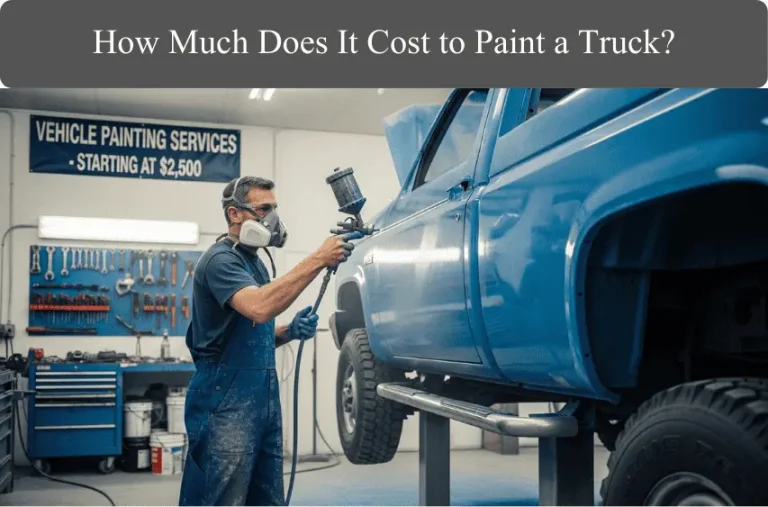
This is often called a “spray and pray” job. National chains like Maaco often advertise these specials. At this level, the shop uses inexpensive synthetic enamel paint and performs minimal preparation. They usually tape over trim rather than removing it. It’s a viable option if you just want to spruce up an old car before selling it.
Mid-Range / Standard ($1,000 – $4,500)
This is what most drivers are looking for. A standard job typically involves sanding the body, removing surface rust, and applying a durable urethane paint. The finish will look comparable to a factory job from five feet away. If you plan to keep your vehicle for several more years, this is the sweet spot.
High-End / Showroom ($5,000 – $20,000+)
If you drive a luxury vehicle, a classic car, or a large SUV, expect to pay a premium. This tier involves stripping the car down to the bare metal, removing all glass and interior trim, and applying dozens of layers of high-quality paint and clear coat. This process can take weeks, but the result is a flawless, mirror-like finish.
The Three Levels of Car Painting Services
Price is usually dictated by the level of service you choose. Auto painters classify their work based on the amount of labor and the quality of materials used.
Basic or Economy Paint Job
A basic service focuses on speed and cost-efficiency. Shops use single-stage synthetic enamel paints that dry quickly. The technicians will likely skip painting hidden areas, such as the door jambs or under the hood. While this saves money, the paint may not have the same UV protection or longevity as higher-tier options. It is a cosmetic fix, not a restoration.
Standard Professional Service
When you pay for a standard service, you are paying for prep work. Technicians will sand down the old paint and treat minor scratches or dents before spraying. This level often uses a [Internal Link: two-stage paint system], which includes a base color coat followed by a protective clear coat. This ensures the color stays vibrant longer and resists chipping.
Showroom or Premium Quality
This is the highest standard of automotive painting. The focus here is on perfection. Technicians spend countless hours “block sanding” the body to ensure it is perfectly straight before a drop of paint touches the metal. They use top-tier materials like tri-coat paints (which include a pearl or metallic layer) and apply multiple rounds of clear coat. After the paint cures, they wet-sand and buff the surface to remove even the tiniest texture, known as “orange peel.”
Key Factors That Determine the Cost
You might wonder why one shop quotes $2,000 while another asks for $6,000 for the same vehicle. The final price isn’t just about the labor rate; it comes down to four specific variables: size, color, condition, and repairs.
Vehicle Size and Model
It comes down to basic math: surface area. A large SUV like a Toyota 4Runner or a heavy-duty pickup truck has significantly more metal to cover than a two-door coupe. Larger vehicles require more paint materials and more hours of sanding. Additionally, complex body lines or vehicles with extensive trim (like roof racks and cladding) increase labor costs because those parts must be removed and reinstalled.
Paint Color and Quality
Not all colors are created equal. Standard colors like black, white, and gray are generally the most affordable because they are widely produced and easier to match.
However, if you want a premium look, be prepared to pay for it. [Internal Link: Metallic and pearlescent paints] cost significantly more because they contain specialized flakes that require careful application to ensure they lay flat. Matte finishes are also expensive because they are unforgiving; any imperfection in the application is visible, requiring a redo. Furthermore, the brand of paint matters. High-end [Internal Link: automotive paint brands] like PPG or DuPont offer better UV resistance but come with a higher price tag.
Vehicle Condition and Prep Work
This is the hidden cost that catches most drivers off guard. If your car has peeling clear coat, deep scratches, or [Internal Link: rust damage], the shop cannot simply paint over it. Doing so would cause the new paint to bubble and flake off within months.
Labor is the most expensive part of the equation. A technician must sand down the damage, apply [Internal Link: body filler] to smooth out dents, and treat rust spots with chemical inhibitors. If the bodywork is extensive, the cost of labor can easily exceed the cost of the paint itself.
Specific Repairs
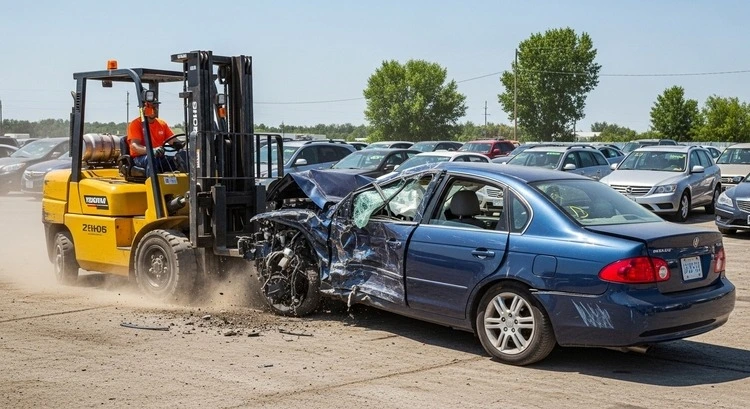
Before painting can begin, major issues must be resolved. While a “scuff and shoot” job ignores dents, a reputable shop will require you to fix collision damage first. Replacing a bumper or fixing a dented fender adds to the total bill but ensures the final result is smooth and uniform.
What to Expect During the Car Painting Process
Understanding the workflow helps you realize why professional painting takes time—often a week or more. It is a precise, multi-step process.
Preparation and Inspection
The process starts with a thorough wash to remove grease, wax, and road tar. Next, the crew masks off the areas that won’t be painted. They cover the windows, wheels, and rubber trim with paper and tape to protect them from overspray.
Body Repair and Surface Work
This is the messy part. Technicians remove exterior parts like door handles, mirrors, and lights to ensure paint covers every edge. They then sand the vehicle’s surface. This “scuffing” process creates a rough texture that allows the new [Internal Link: primer coat] to stick chemically to the metal or plastic.
Paint Application and Curing
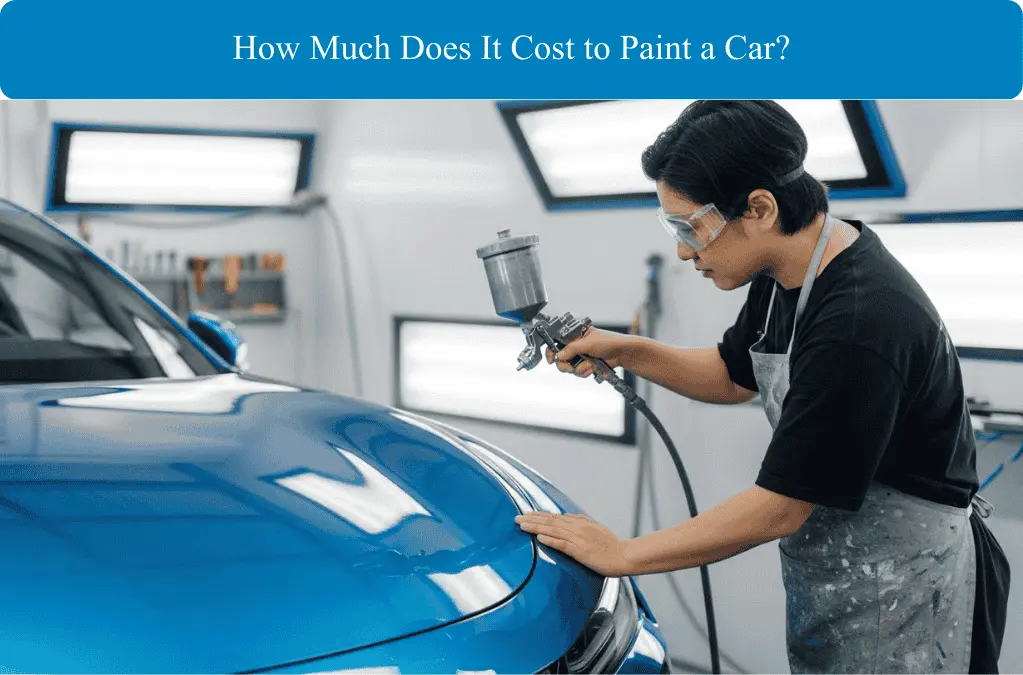
Once the body is smooth and clean, the car moves to a dust-free paint booth. The painter applies the color base coat in thin, even layers. After the color dries, they apply the [Internal Link: clear coat protection]. This transparent layer gives the car its shine and shields the color from the sun. Finally, the paint must cure, often using heat lamps or a heated booth to harden the finish.
Finishing Touches
The job isn’t done when the car leaves the booth. The fresh clear coat often has a slight texture called “orange peel.” To fix this, technicians wet-sand the surface and then use a buffer to polish it to a glass-like shine. They then reassemble the trim, lights, and handles, followed by a final quality inspection.
Is It Worth It? Resale Value and Benefits
Deciding to repaint your vehicle is a significant financial commitment. Before you hand over your keys, you need to weigh the cost against the actual value it adds to your car.
Signs Your Car Needs to Be Painted
Sometimes, a paint job is maintenance, not vanity. If you notice your clear coat peeling (looking like dry skin), it means the protective layer has failed. Once this happens, the color coat underneath will deteriorate rapidly. Other obvious signs include deep [Internal Link: rust spots] bubbling under the surface or severe fading from UV exposure that buffing cannot fix. Addressing these issues early prevents structural damage to the metal.
Does Repainting Increase Resale Value?
This is a tricky area. For a daily driver with faded paint, a fresh coat can certainly boost curb appeal and help you sell it faster. However, it rarely increases the value dollar-for-dollar. If you spend $3,000 on a paint job, don’t expect the car’s trade-in value to jump by $3,000.
Be cautious with classic or collectible cars. In that market, the original “factory finish” is often worth more than a shiny new repaint. Additionally, savvy buyers might suspect a fresh paint job is hiding [Internal Link: collision damage] or filler. Always document the process with photos to prove you were just restoring the cosmetic look, not covering up a wreck.
Alternatives to Full Repainting
If the price tag of a professional paint job scares you, there are other ways to refresh your ride.
Paintless Dent Repair (PDR)
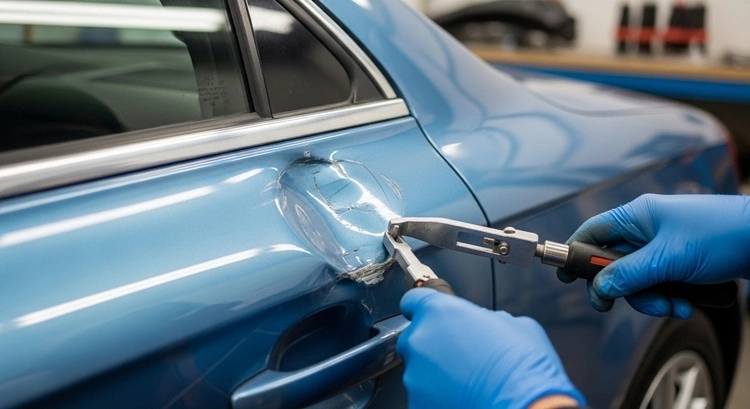
If your paint is still intact but the car is riddled with dings, consider [Internal Link: Paintless Dent Repair]. Technicians use specialized tools to massage dents out from behind the panel. It costs a fraction of the price of painting and keeps your original factory finish intact.
Vinyl Wraps
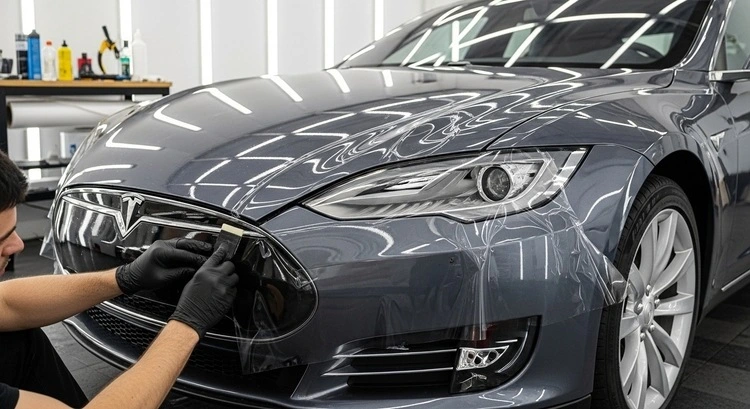
Vinyl wrapping has exploded in popularity. Instead of spraying liquid paint, a shop applies a durable, colored film over your existing paint. [Internal Link: Car wraps] typically cost between $2,000 and $5,000. They offer the benefit of being reversible—you can peel it off later to reveal the protected original paint underneath. It is also a great way to try wild colors or matte finishes without a permanent commitment.
DIY Painting: Can You Do It Yourself?
You can buy [Internal Link: DIY car painting kits], but proceed with caution. Painting a car requires a dust-free environment, a high-capacity air compressor, and a steady hand. Without a professional paint booth, you risk bugs and dust settling in the wet paint. Furthermore, automotive paints release toxic fumes, so proper ventilation and safety gear are non-negotiable. For most people, the equipment cost and risk of a poor finish make professional help the better option.
FAQs
A basic job might take 2-3 days, but a standard high-quality job usually takes at least a week. Showroom-quality restoration can take a month or more due to the disassembly required.
Solid white and solid black are typically the cheapest. They are standard, non-metallic colors that are easier to source and match than custom hues.
Yes, this is called “spot painting” or panel painting. However, blending the new paint with the old, faded paint on adjacent panels requires a skilled technician to make it look seamless.
No. Paint needs a rough surface to grip onto. If you spray over glossy old paint without sanding (scuffing), the new layer will peel off in sheets very quickly.
Conclusion
So, how much does it cost to paint a car? While you can find budget options for under $1,000, a durable, high-quality finish will likely cost between $3,000 and $7,000.
Ultimately, you get what you pay for. If you love your car and plan to keep it, invest in a reputable shop that handles the prep work correctly. Always get estimates from at least three local shops and check their [Internal Link: I-CAR Gold Class certification] to ensure they meet industry safety standards. A great paint job doesn’t just look good; it protects your investment for the road ahead.