Eco-Friendly Dent Repair: Sustainable Solutions for the Modern Shop
Vehicle repair facilities are facing growing pressure to reduce their environmental impact while maintaining high standards of quality and efficiency. As sustainability becomes a priority across many industries, automotive repair shops are exploring greener ways to operate. One area where significant progress has been made is dent repair. Modern techniques and technologies now allow technicians to restore vehicle panels with less waste, fewer materials, and reduced energy consumption compared to traditional repair methods.
Eco-friendly repair practices not only help protect the environment but also improve operational efficiency and reduce resource use. By adopting sustainable approaches, repair facilities can minimize waste generation, lower emissions, and support long-term environmental goals without compromising repair quality. Understanding how environmentally responsible dent repair methods work can help shop owners, technicians, and vehicle owners make more informed decisions about collision and cosmetic repairs.
Why Sustainability Matters in Automotive Repair
The automotive repair industry consumes a wide range of resources, including metals, plastics, paints, solvents, and energy. Traditional repair processes often involve replacing damaged components, using large quantities of fillers, and applying multiple paint layers. These activities can generate significant waste and contribute to environmental pollution.
According to environmental agencies and industry organizations, reducing material consumption and waste generation is one of the most effective ways to improve sustainability in vehicle repair operations. Every panel that can be repaired instead of replaced helps conserve raw materials and reduces the environmental footprint associated with manufacturing new parts.
As environmental regulations continue to evolve, many repair facilities are investing in greener technologies and workflows that align with industry best practices.
Paintless Dent Repair as a Sustainable Alternative
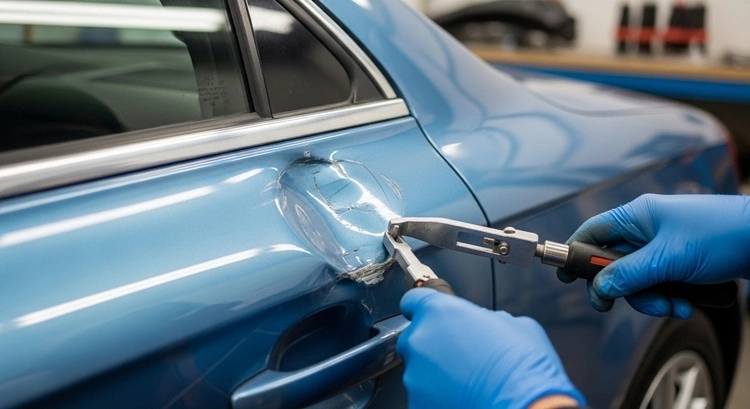
One of the most environmentally friendly approaches to dent repair is Paintless Dent Repair (PDR). This method allows technicians to remove dents without sanding, filling, or repainting the damaged area, provided the vehicle’s paint remains intact.
PDR uses specialized tools to carefully massage the metal back into its original shape from behind the panel. Because no fillers, primers, or paint products are required, the process significantly reduces material consumption and eliminates many of the emissions associated with conventional repairs.
In addition to reducing waste, PDR typically requires less energy and fewer shop resources. The repair can often be completed more quickly than traditional methods, making it an efficient solution for minor dents caused by hail, parking lot incidents, or minor impacts.
Reducing Waste Through Repair-First Strategies
Modern collision centers increasingly follow a repair-first philosophy. Instead of automatically replacing damaged components, technicians evaluate whether the original panel can be restored safely and effectively.
This approach supports sustainable dent repair practices by extending the life of existing vehicle parts. Repairing rather than replacing panels helps reduce landfill waste and decreases demand for new replacement components.
Advanced diagnostic tools, measuring systems, and repair techniques now allow technicians to restore many damaged panels that would have been replaced in the past. This shift not only benefits the environment but can also help reduce overall repair costs and shorten repair timelines.
Energy-Efficient Equipment and Modern Technologies
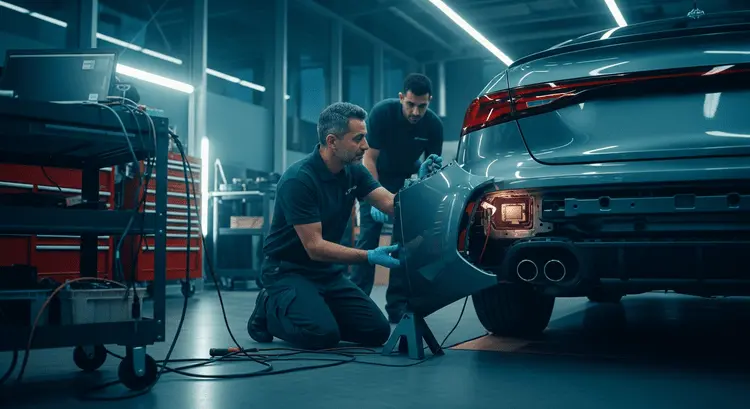
Technology plays an important role in making automotive repair operations more sustainable. Many modern repair shops are investing in energy-efficient equipment designed to reduce electricity consumption while maintaining performance.
Induction heating systems, for example, provide targeted heat to metal panels during certain dent repair procedures. Unlike traditional heating methods, induction systems focus energy precisely where it is needed, reducing overall energy use and minimizing heat waste.
Digital measuring systems and computerized repair equipment also improve efficiency by helping technicians identify damage accurately and complete repairs with greater precision. Better accuracy means fewer corrections, less material waste, and improved resource management throughout the repair process.
Environmentally Responsible Materials and Products
Even when traditional repairs are necessary, many shops are adopting environmentally responsible materials. Low-VOC (volatile organic compound) paints, waterborne coatings, and eco-friendly fillers help reduce harmful emissions released during repair operations.
VOC emissions contribute to air pollution and can affect both environmental and workplace safety. Waterborne paint systems have become increasingly common because they significantly lower VOC emissions while delivering excellent finish quality.
When combined with sustainable dent repair practices, these products create a more environmentally conscious repair process. Technicians can achieve professional results while reducing the environmental impact associated with refinishing operations.
Training Technicians for Sustainable Repair Practices
Technology alone cannot create a sustainable repair facility. Proper technician training is equally important. Skilled technicians understand how to assess damage accurately and select repair methods that balance quality, safety, and environmental responsibility.
Training programs increasingly include education on sustainable dent repair techniques, waste reduction strategies, and efficient resource utilization. Technicians learn how to maximize repair opportunities, minimize unnecessary material use, and follow best practices for environmental compliance.
Continuous education also ensures that repair professionals stay current with emerging technologies and industry standards. As vehicle construction materials evolve, ongoing training becomes essential for maintaining both repair quality and sustainability goals.
Recycling and Resource Recovery in Repair Shops
Recycling remains a critical component of environmentally responsible automotive repair. Modern shops often implement comprehensive recycling programs for metal scraps, plastics, cardboard packaging, batteries, and various repair materials.
Aluminum recycling is particularly important because many modern vehicles incorporate lightweight aluminum components. Recycling aluminum requires significantly less energy than producing new aluminum from raw materials, making it a valuable sustainability practice.
Effective waste management systems also ensure that hazardous materials are handled properly. By separating recyclable materials from general waste streams, repair facilities can reduce landfill contributions and improve overall environmental performance.
The Role of Customers in Supporting Green Repairs
Vehicle owners can also contribute to more sustainable repair outcomes. When selecting a repair facility, customers may choose shops that prioritize environmentally responsible practices and invest in sustainable technologies.
Asking questions about repair methods, recycling programs, and paint systems can help consumers identify facilities committed to reducing environmental impact. Supporting shops that emphasize repair over replacement encourages broader adoption of sustainable practices across the industry.
Customers who maintain their vehicles properly can also help reduce the frequency and severity of repairs, contributing to resource conservation over the vehicle’s lifespan.
The Future of Sustainable Dent Repair
The future of automotive repair will likely be shaped by increasing environmental awareness, evolving regulations, and ongoing technological innovation. Advances in materials science, digital diagnostics, and repair equipment continue to expand the possibilities for sustainable vehicle restoration.
Artificial intelligence, advanced imaging systems, and predictive repair technologies may further improve repair accuracy and efficiency. These innovations can help technicians identify the most environmentally responsible repair solutions while maintaining safety and quality standards.
As vehicle manufacturers continue to develop lightweight materials and more complex structures, repair methods will evolve alongside them. Sustainable dent repair practices will remain an important part of this evolution, helping the industry reduce waste, conserve resources, and improve environmental performance.
Conclusion
Eco-friendly dent repair represents a practical and effective approach to reducing the environmental impact of automotive repair operations. Through techniques such as paintless dent repair, repair-first strategies, energy-efficient equipment, environmentally responsible materials, and comprehensive recycling programs, modern repair facilities can significantly improve sustainability while maintaining high-quality results.
As environmental concerns continue to influence business practices across industries, sustainable repair methods will become increasingly important. Repair shops that embrace these solutions are better positioned to meet evolving industry expectations while contributing to a cleaner and more resource-efficient future. By focusing on responsible repair practices, the automotive repair industry can continue delivering excellent service while supporting long-term environmental stewardship.