Your Car Looks Fine, But Is It Safe to Drive, Post-Accident?
Your friend Ralph pats the hood of his car. “This ‘ol gal? She’s as tough as nails,” he says with a smirk after another “minor” accident. A few hours later, Ralph calls in a favor. His beloved Mary broke down on the highway, and now he needs a lift home.
It’s easy for Ralph to look at his car, shrug, and think, “It’s just a scratch.” No leaks. No smoke. No obvious issues. So Ralph carries on driving. Don’t be like Ralph. A car can look perfectly fine and still be unsafe.
Modern vehicles are complex. Damage isn’t always visible, and what you don’t see can put you at risk.
Why ‘Looks Fine’ Isn’t Always ‘Fine’
Today’s models are built with layers of safety systems. Crumple zones. Sensors. Cameras. Structural components. They’re all designed to absorb impact.
Even a low-speed collision can disrupt these systems. Damage isn’t always visible on the surface. Internal components, alignment, and safety features may already be compromised. That means:
- Your airbags might not deploy properly
- Your steering could be slightly off
- Your car’s structure might be weakened
None of that shows up at a glance.
The Hidden Damage Most Drivers Miss
A crumpled hood isn’t the only sign your car can be unsafe. Just ask Ralph.
Frame and Structural Damage
A small impact can bend your car’s frame. This affects how your vehicle absorbs future impacts and how it handles on the road.
Auto repair specialists say structural damage can also reduce crash protection.
Alignment Issues
If your car pulls slightly to one side, that’s a huge safety concern. Misalignment affects steering control and tire wear.
Sensor and Camera Malfunctions
Modern cars rely on sensors for collision warnings, lane assist, and emergency braking. These systems can fail after an accident.
Suspension Damage
You might not notice it immediately, but damaged suspension affects stability at higher speeds.
Why You Should Always Get a Professional Inspection
Guessing isn’t enough. A professional inspection can identify:
- Hidden structural damage
- Compromised safety systems
- Repair needs you wouldn’t spot yourself
Even minor accidents should be followed by a proper assessment before you continue driving. Skipping this step might save time, but it increases risk.
How This Affects Your Car Accident Settlement Amount
There’s also a financial side to this. Repair costs play a crucial role in determining your car accident settlement amount. If damage isn’t properly identified early on, your settlement may not cover the full cost of repairs.
Settlements are calculated on:
- Repair expenses
- Severity of damage
- Long-term impact
How is a Car Accident Settlement Calculated?
Loewy Law Firm adds that your available insurance coverage can influence the settlement amount. Because of this, there is no average car accident settlement amount. A typical car accident settlement payout is dependent on the above factors.
Warning Signs You Shouldn’t Be Driving
Some red flags are subtle. Others are obvious. Here’s what to watch for:
- Steering feels off or loose
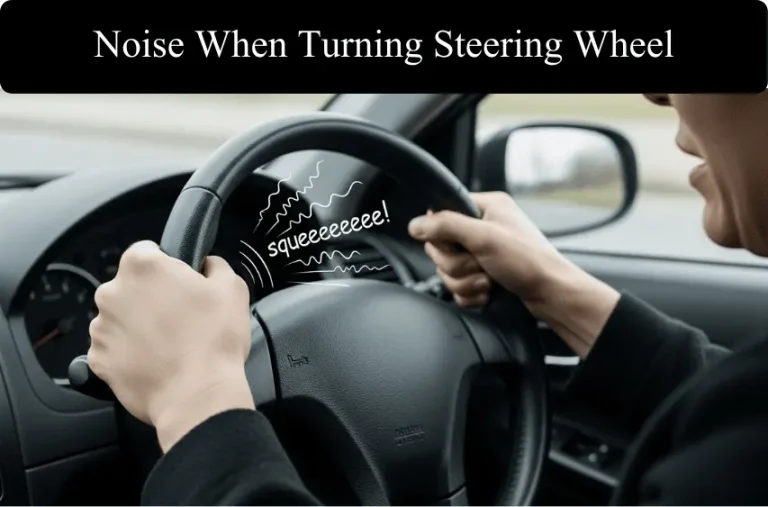
- Strange noises when driving
- Uneven tire wear
- Warning lights on the dashboard
- Fluid leaks
- Vibrations at normal speeds
- Difficulty braking
If you notice one of these, your car isn’t “a bit off”; it could be unsafe.
The Risk Isn’t Just Mechanical
Driving a damaged car doesn’t risk further breakdown. It puts you and others in danger.
The Autopian explains that seemingly minor issues can escalate into serious safety risks when ignored.
Something most drivers don’t consider? If your car’s safety systems are compromised, it may not protect you properly in your next crash.
Older Cars vs Modern Cars
Driving an older vehicle can increase the risks.
Older cars generally lack the advanced safety features found in newer models, according to Drive. That means any additional damage, no matter how small, has a bigger impact on safety.
On the flip side, newer cars may seem safer, but they rely heavily on sensors and electronics. When those fail, you may not even realize it.
U.S. News highlights how modern vehicles are packed with safety tech designed to prevent accidents. After a collision, those systems need proper recalibration.
Is Your Car Actually Safe?
If you’ve been in an accident, don’t rely on appearances. Ask yourself:
- Has the car been professionally inspected?
- Are all systems working as they should?
- Am I 100% confident in its safety?
If you’re “not sure” of any of the above, that’s your answer.
A car that looks fine isn’t the same as a safe car. Modern vehicles hide damage well. However, they don’t protect you well when that damage goes unchecked.
Get it inspected. Fix what needs fixing. And don’t gamble with something as important as your safety.