What Actually Happens During a Collision Repair
A crash can leave you feeling shaken, confused, and unsure about what comes next, but having a clear idea of how the collision repair process works can make the whole experience feel a little more manageable.
Here’s a straightforward overview of what to expect during repairs.
The Main Stages of Collision Repair
Every repair job is different, but most collision repairs follow similar stages, starting with the assessment and ending when the car is ready for pickup:
1. The Initial Assessment
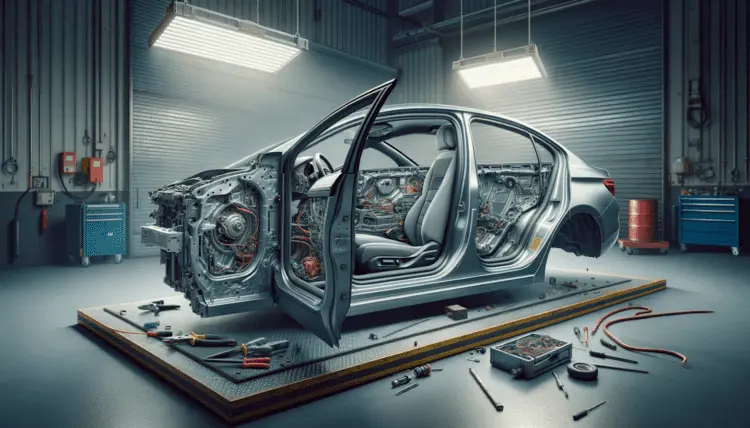
The first step in any collision repair is an assessment. During this step, a technician evaluates the damage. They examine both visible and hidden damage and decide what needs to be fixed. If anything is unclear, they might take a closer look and disassemble some parts of the car to find the source of the problem.
The assessment may also involve communication with your insurer, which can vary depending on your provider. This step is crucial to avoid unexpected expenses.
2. Estimating the Cost and Timeline
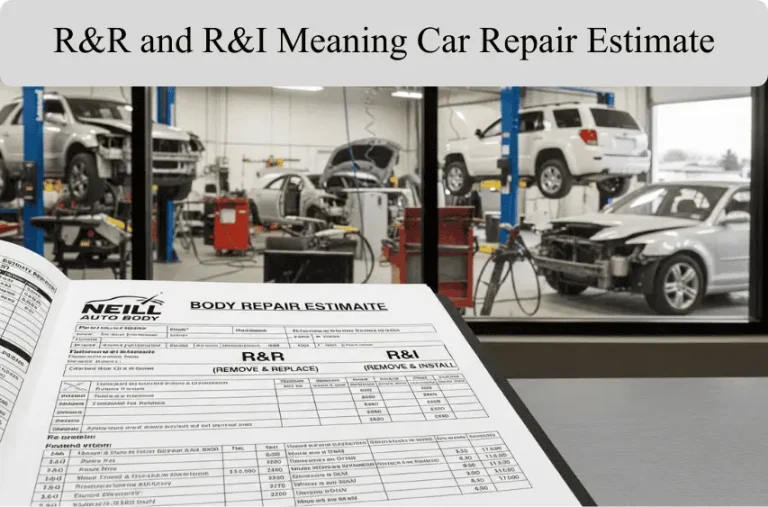
After the initial assessment, the next step is estimating the cost of the repair and how long it might take. Depending on the complexity of the job, the estimate could include the price of replacement parts, labor charges, and repair time.
Keep in mind that the cost may vary as new problems emerge or become apparent during repair work – that’s why most repair shops update their estimates as work progresses.
You’ll also receive an estimate for how long the repair might take. Minor repairs could be done within a couple of days; however, more serious repairs, such as frame damage, could require a few weeks to complete.
3. Ordering Parts and Preparation
Once you agree to the estimate, the shop orders the necessary parts. This process can take some time. While waiting, the shop prepares your car for repair and removes damaged parts.
In some cases, parts sourcing involves international suppliers, which can affect pricing and delivery times. If you’re curious about how online pricing and availability can vary by region, you can read more about that.
Besides disassembly, the preparation process also includes a thorough inspection of electronic systems that could have been affected by the crash. Modern cars have tons of sensors, so testing them is an important part of the repair process.
4. Repairs And Restoration
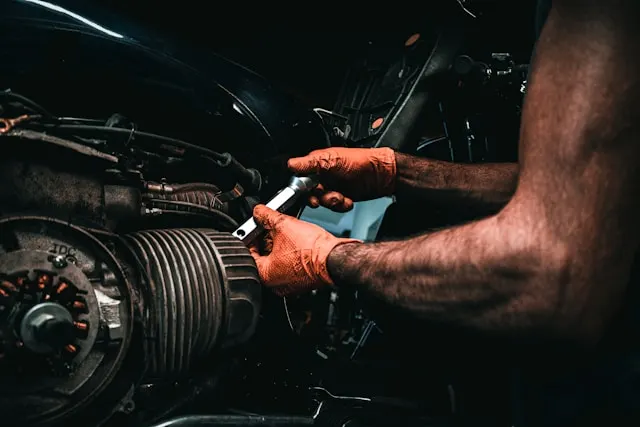
The repair starts as soon as parts are received. During this phase, a technician repairs the frame, replaces damaged panels, and fixes other components. More severe cases may involve straightening the car’s frame with special tools.
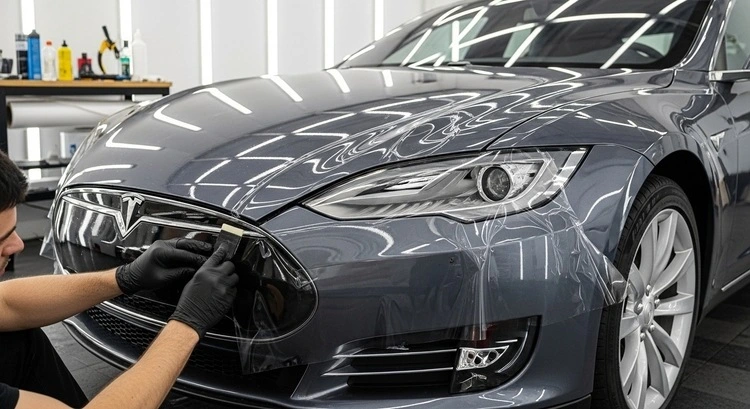
For lighter damage like scratches and dents, the technician smooths the area and repaints it to match the rest of the vehicle.
Many repair shops use online platforms to communicate with customers and provide real-time information regarding their vehicle’s condition, so this will help you stay updated throughout the process.
5. Quality Control and Testing
After repairs are complete, the car goes through a quality control check. At this point, the technician rechecks everything to ensure that your vehicle meets safety regulations and standards.
They check whether all parts are assembled correctly, the paint matches properly, and the vehicle runs without issues.
If electronic systems were affected, they’ll also be tested to ensure flawless performance. Modern cars feature advanced electronic systems, and it’s crucial to test them.
6. Final Inspection and Pickup
The last thing that’ll be done after your car’s been repaired is the final inspection. This is where the technician has the chance to check everything on your car one final time and make sure everything is working and looking as it should.
It’s also when you’ll be billed for your car and can settle any other insurance issues that might be left behind.
Conclusion
And that’s it! Collision repair might seem lengthy, but each step ensures your car is safe and looks great again. With the right shop and a bit of patience, your car will be back on the road soon.
Knowing what to expect can make the process less stressful. You’ll walk into the shop with confidence, ready for what’s ahead.