Who Is Legally at Fault in Rear-End Car Accident in New York?
After a crash, the fault is rarely as simple as it first appears. These accidents happen often and typically result in serious injuries and financial hardship. New York follows comparative negligence rules. That means both drivers in a crash can share the blame. Courts look closely at what each driver did before assigning any damages. If you were hurt, you have real rights worth protecting. The Law Office of Friedman, Levy, Goldfarb & Green has spent years standing up for people hurt in crashes just like yours.
How New York Law Defines Fault in Rear-End Crashes
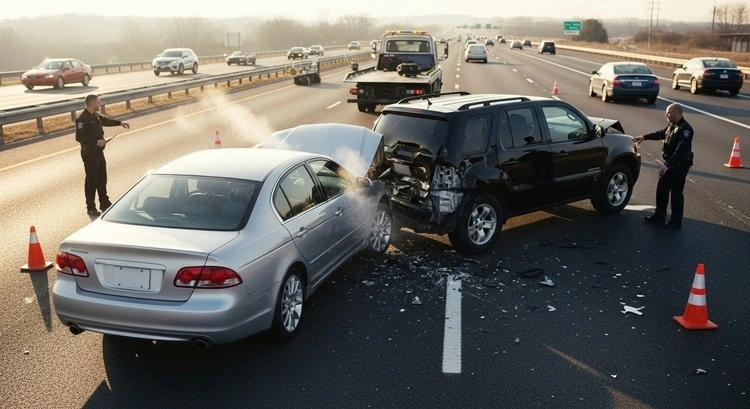
In New York, the driver who hits you from behind is usually considered at fault. The law starts from that assumption. This presumption requires the following driver to explain what caused the crash. New York law requires every driver to keep a safe distance from the car ahead. When the stopping room is too short, a sudden slowdown ahead can cause a serious crash. A rear-end accident attorney can review your case and explain what legal options are available. When deciding who is at fault, courts consider how fast each driver was going, road conditions, and how each driver behaved behind the wheel.
When the Following Driver Is Held Responsible
The following driver is most often liable when traveling too fast for road conditions. If the driver behind you was distracted, courts will often hold them responsible for the crash. Using a phone or adjusting controls reduces reaction time and raises the crash risk. Drunk or impaired driving is another big reason these crashes happen and cause serious injuries. If a driver had enough time and space to stop but didn’t, courts see that as negligence. All the evidence is reviewed to determine whether that driver caused the crash.
Situations Where Fault May Be Shared
Not every crash leaves the front driver entirely free of legal responsibility. If the front driver stopped without a good reason, a court may assign them partial fault. Brake lights that were not working can also shift some blame to the front vehicle’s driver. In New York, if you were partly at fault, your compensation gets reduced by your share of the blame. A driver found twenty percent at fault would receive only eighty percent of the damages awarded. Every case is different, and courts look at the specific details of what actually happened to you.
Evidence That Can Support Your Claim
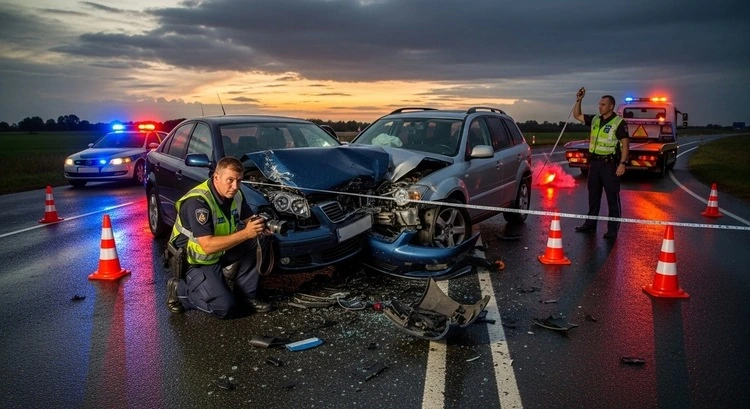
If you were hurt in a crash, solid evidence is what makes or breaks your injury claim. Photos of the vehicles and roadway help establish exactly what happened at the scene. Witness statements provide independent accounts that may support or challenge each driver’s version. The police report captures any citations issued and the officer’s initial read on who was at fault. Security footage from nearby cameras can provide a clear view of the moments before impact. The sooner you gather that evidence after a crash, the better your chances of protecting your claim.
What Victims Should Do After a Collision
Anyone hurt in a crash should seek medical attention right away, even when injuries seem minor. Keeping track of your injuries and medical treatment provides real proof to support your case. Notify your insurer, but avoid giving detailed statements before you have spoken with a lawyer. New York gives you a limited window to file your injury claim, and missing that deadline can cost you everything. Getting contact details from witnesses at the scene adds real strength to your legal position. Having a good attorney in your corner means someone is looking out for you every step of the way.
After a crash in New York, figuring out who is at fault can get complicated fast. The more you understand how negligence works, the better positioned you are to go after what you’re owed. Medical bills, lost wages, and the pain you’ve been through can all be part of your claim. Taking the right steps after a crash can directly impact your final outcome. Going through this process on your own is tough. An experienced attorney can make a real difference in what you walk away with. Reaching out sooner rather than later gives your case the best possible start.