What Are the Dangers of Driving Barefoot?
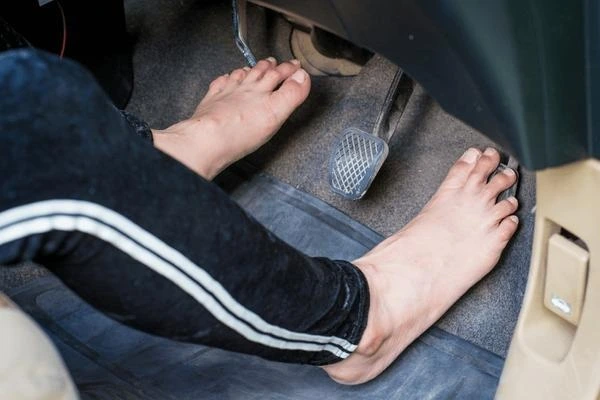
Driving barefoot may feel harmless or even comfortable, but it comes with real safety risks that drivers often overlook. Driving barefoot could reduce the driver’s control over the pedals, decrease the driver’s ability to apply pressure evenly, and even increase the chances of foot injury.
While people often slip off their shoes for comfort, barefoot driving can raise safety concerns and, in some cases, legal questions. In such situations, a criminal defense attorney may become involved after an accident or traffic stop.
Within the first few minutes of researching the topic, many drivers ask, “Is it illegal to drive barefoot?” and the answer is more nuanced than a simple yes or no.
What are the Risks of Driving Barefoot?
While most states do not explicitly ban it, barefoot driving can still create legal trouble if it contributes to unsafe driving behavior or a collision.
Let’s dig deep to understand the real dangers that barefoot driving can create.
Reduced Grip on Pedals
One of the biggest dangers of driving barefoot is a lack of traction. Car pedals are designed to be used with shoes, not bare skin.
Without proper grip:
- Feet can slip off the brake or accelerator.
- Sweat or moisture increases the sliding risk.
- Emergency braking becomes less reliable.
Even a small slip can delay braking at a critical moment.
Less Precise Pressure Control
Bare feet make it harder to apply consistent pressure to pedals. Shoes help distribute force evenly, while bare feet concentrate pressure in a smaller area.
This can lead to:
- Over-accelerating unintentionally.
- Jerky braking movements.
- Difficulty maintaining a steady speed.
In high-speed or congested traffic, this lack of precision can be dangerous.
Slower Reaction Time in Emergencies
Barefoot drivers may hesitate during sudden situations due to pain, discomfort, or temperature sensitivity. Hot pedals in summer or cold surfaces in winter can cause instinctive reactions.
A delayed response of even a second can:
- Increase stopping distance.
- Cause rear-end collisions.
- Turn a near-miss into a serious crash.
Reaction time matters most when the unexpected happens.
Higher Risk of Foot Injuries
Driving barefoot offers no protection if something goes wrong. In an accident, your feet are vulnerable to impact, sharp debris, or crushed pedals.
Common injury risks include:
- Cuts from broken glass.
- Bruising or fractures from pedal force.
- Burns from overheated pedal surfaces.
These injuries can complicate accident recovery and legal claims.
Increased Chance of Losing Vehicle Control
Barefoot driving can affect how quickly and smoothly you transition between pedals. In panic situations, drivers may misjudge pedal placement.
This can result in:
- Pressing the wrong pedal.
- Failing to brake in time.
- Sudden loss of control.
Loss of control is often cited in accident investigations.
Legal Risks After an Accident

Even if barefoot driving isn’t directly prohibited, it can still be viewed as unsafe behavior. Police officers may document it as a contributing factor, especially after a collision.
This is why the question, “Is driving barefoot against the law?” often arises after an incident rather than before it. If barefoot driving is linked to reckless or careless operation, charges may follow.
How Barefoot Driving Can Be Used Against You
After an accident, barefoot driving may be portrayed as poor judgment. Prosecutors or insurers might argue it shows negligence or disregard for safety.
This can lead to:
- Traffic citations.
- Increased liability.
- Criminal charges in severe cases.
At this stage, a criminal defense attorney becomes essential to challenge assumptions and protect your rights.
How can a Criminal Defense Attorney help in this Case?
A criminal defense attorney can:
- Challenge assumptions about driver control.
- Separate footwear choice from the actual cause.
- Protect against exaggerated negligence claims.
Legal guidance is especially important when injuries or charges are involved.
Key Takeaways
When it comes to road safety, footwear matters more than most drivers realize. Driving barefoot may seem minor, but the risks are real:
- Reduced pedal grip and control.
- Slower reaction time in emergencies.
- Greater risk of foot injuries.
- Higher chance of losing vehicle control.
- Potential legal consequences after accidents.