What Drivers Need to Know About Maryland License Plate Laws
For example, if you are new to Maryland, you must know that your license plates play a very important role. Even though they may seem like a minor detail, not meeting the basic requirements can get you pulled over or leave you with a hefty ticket.
Even though Maryland has a simple license plate rule, many drivers still get confused about things like where the license plates should be displayed and what types of vehicles are exempt from the rule, and the most common doubt is, “Do you need a front plate?” If you are someone who is new to Maryland, understanding how the license plate law works can help ensure that you stay compliant with the rules.
Driving in a new city can be exciting, but you must remember that each state in the United States has its own set of road safety and traffic rules. Not knowing these rules can make it difficult to drive in a new state without facing a penalty.
What Does Maryland’s License Plate Law Say?
According to the Maryland rules, all registered vehicles must display two license plates, with one plate in the front and one plate at the back of the vehicle. The license plates must also be attached properly and should not be covered by any obstructions. The Maryland law also requires a sticker mentioning the expiry date of the registration to be stuck near the rear license plate.
With the exception of a few vehicles, it is mandatory for all other vehicles to follow these rules.
Why Does the Two-Plate Rule Matter?
As mentioned earlier, the state of Maryland legally requires passenger vehicles to display two license plates. Even though it may seem like just a technicality, it is much more than that, as having two plates helps them ensure a much stricter and safer traffic system.
Having plates on both the front and rear sides helps the state’s traffic system find violators much more easily by improving visibility for law enforcement, toll, and traffic cameras. It also helps any witness note down the license plate number in case of any accidents, thereby reducing any fraud.
Which Vehicles Are Exempted from this Rule?
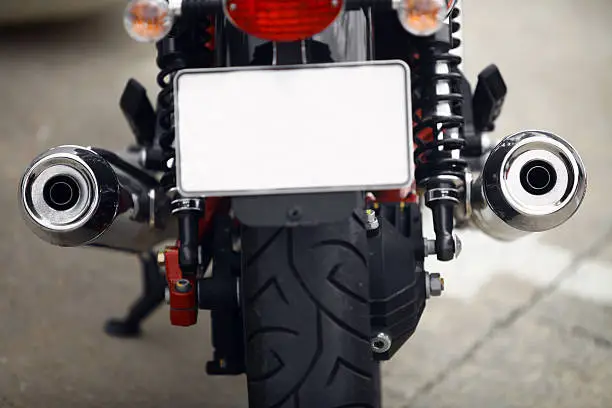
While most vehicles in Maryland require two license plates, there are certain types of vehicles that are exempt from this two-plate rule. The vehicles that fall under this category need to display only one license plate, and they include
- Motorcycles
- Commercial vehicles like tractors and trailers
- Historic vehicles that are over 50 years old
- Street rods over 50 years old.
Where and How Must the Plate Be Mounted?
While the Maryland license plate law states that vehicles should display two license plates, it also states that the license plates should be displayed at the front and rear ends of the car. It should be mounted properly on the plate bracket and should not be sitting loose on the dashboard or just carried in the trunk.
You must ensure that the front plate is attached to the front bumper area and the rear plate is attached to the rear trunk area. Another important thing that some drivers overlook is that the plates must be clearly visible and readable. Avoid using tinted covers, and repair any damaged license plates.
What if My Car Doesn’t Have a Front Bracket?
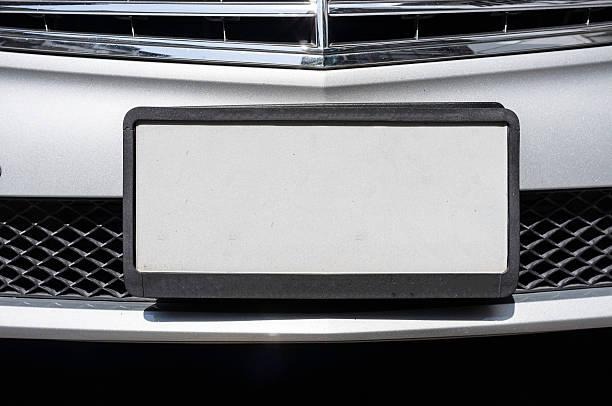
While some vehicles, such as luxury cars, don’t come with a front bracket, it is not an excuse to skip the front license plate. So, if your car doesn’t come with one, ensure that you install a mounting bracket and attach the plate to it.
Final Takeaways
- The Maryland license plate rule states that vehicles should display front and rear license plates.
- There are a few exceptions, such as motorcycles, trailers, tractors, and historic vehicles older than 50 years, which only need one license plate.
- The plates must be mounted properly in the plate brackets.
- Not having two license plates or not displaying them properly can lead to fines or you getting pulled over.