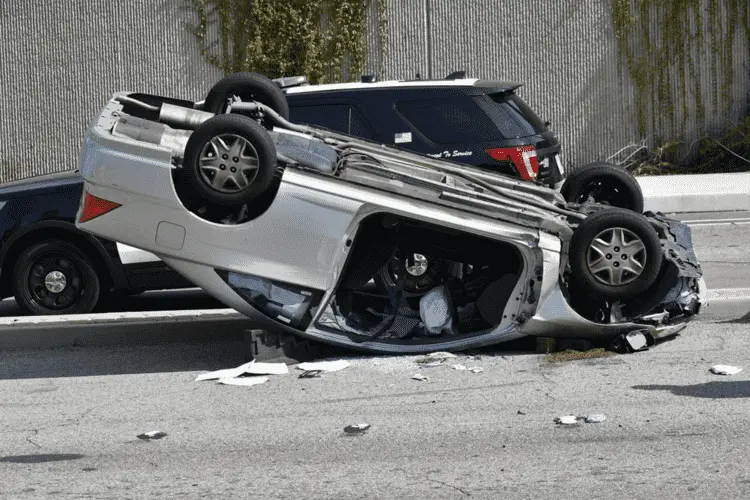
What to Do After a Crash Before Body Repairs
The first few hours after a car accident tend to blur together. Your heart’s racing, your phone battery is low, traffic is building behind you, and everyone wants something at once. The other driver wants to talk. The insurance company wants details. The tow truck is on its way. Somewhere in the middle of that, you’re supposed to make smart decisions about your vehicle.
That’s where many drivers get tripped up. They focus on the visible damage and miss the steps that protect their safety, finances, and legal position later on. A bent fender or cracked bumper might look straightforward, but the process around collision repair usually isn’t. The choices you make before the car ever reaches a body shop can shape how smoothly the rest of the claim goes.
If you want fewer surprises, it helps to slow the process down and handle it in the right order.
Start With Safety and Documentation
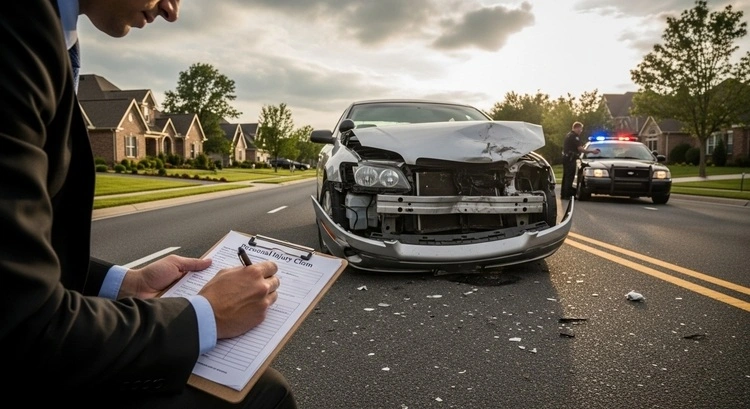
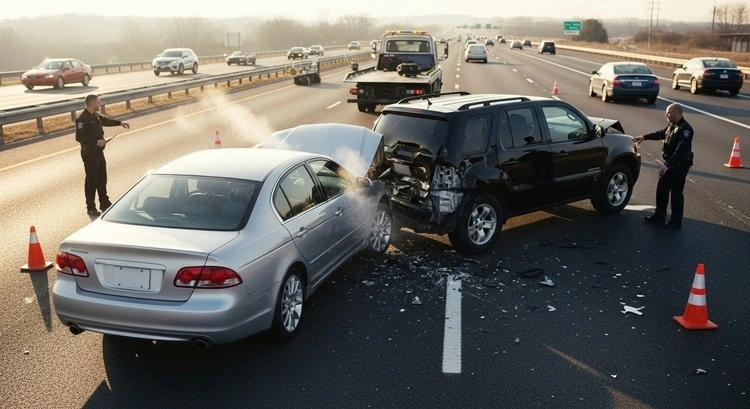
Right after a crash, safety comes first. Move to a secure location if the vehicle can still be driven and it’s safe to do so. Check for injuries, call emergency services when needed, and follow local reporting requirements. Even in what seems like a minor accident, it’s smart to document the scene thoroughly before cars are moved or the roadway is cleared.
Photos matter more than most people realize. Take wide shots of the full scene, then closer images of each vehicle, license plates, skid marks, broken glass, traffic signs, and anything else that helps explain what happened. Don’t stop at the obvious damage. Photograph the wheel area, panel gaps, trunk or hood alignment, and any fluid leaks under the vehicle. These details can help show that the impact may have affected more than the paint and body panels.
You should also gather the other driver’s information, note the time and location, and get contact details from witnesses if any are present. If fault may be disputed or injuries become part of the case later, early documentation becomes especially important. In some situations, speaking with a Mineola car accident lawyer can help a driver understand how to preserve records and avoid gaps between the accident report, medical treatment, and property damage claim.
Don’t Assume the Damage Is Only Cosmetic
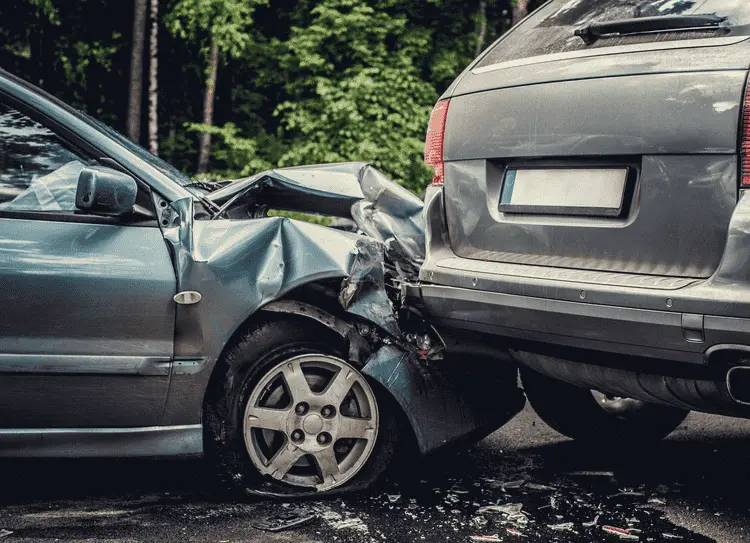
A lot of collision damage hides beneath the surface. A bumper can spring back into place and still have serious structural issues underneath. Modern vehicles are packed with sensors, brackets, mounting points, and calibration-dependent safety systems. What looks like a simple rear-end hit may affect blind spot monitoring, parking sensors, trunk alignment, suspension geometry, or even the frame.
That’s why it’s risky to judge repair needs from appearance alone. A driver might say, “It’s just a dent,” because the doors still open and the car starts normally. But problems often show up later. Maybe the steering feels slightly off. Maybe the headlights no longer line up correctly. Maybe a door begins rattling at highway speed. Those are signs that the impact force traveled farther than expected.
This is also where people make costly mistakes with quick estimates. A photo-based quote can be useful as a starting point, but it doesn’t always capture hidden damage behind panels. A complete inspection usually tells a more accurate story. That matters for insurance approval, repair planning, and understanding how long the car may actually be out of service.
Ask Better Questions Before Authorizing Repairs
Once the vehicle reaches a repair facility, many drivers hand over the keys and hope for the best. It’s better to stay involved, especially early on. You don’t need to be an expert in refinishing or structural repair, but you do need clear answers about the process.
Ask how the vehicle will be inspected, whether disassembly is needed, and what happens if hidden damage is found after the initial estimate. Find out whether original equipment manufacturer parts, aftermarket parts, or recycled parts may be used, and how that decision affects cost, fit, and timing. If your vehicle has driver-assistance technology, ask whether post-repair scanning and calibration are part of the plan. Those systems often need to be checked after an impact, even if they seem to work normally.
It also helps to ask about repair sequencing. For example, if a front-end collision damaged the bumper, grille, fender, and headlight assembly, what gets addressed first? Will the shop check for suspension or alignment issues before cosmetic work is completed? Will paint blending be needed to match adjacent panels? These questions don’t just help you understand the repair. They show whether the process is organized and transparent.
Good communication matters just as much as technical skill. If the answers are vague, rushed, or inconsistent, that’s useful information. Collision repair involves insurance coordination, parts sourcing, mechanical checks, body work, refinishing, and final quality control. You want a process that feels deliberate, not improvised.
Keep the Insurance Process From Controlling Everything
Insurance is part of the repair process, but it shouldn’t be the only thing guiding your decisions. Many drivers treat the claim as if it’s purely administrative: get the estimate, accept the number, schedule the work, move on. In reality, there can be a gap between what’s initially approved and what the vehicle actually needs after a proper teardown.
That gap is common. An adjuster may write based on visible damage, while the repair team later finds damaged supports, sensors, clips, reinforcement bars, or alignment issues that weren’t apparent at first glance. Supplemental estimates exist for a reason. They aren’t necessarily a sign that something went wrong. They often mean the inspection became more complete once the damaged area was opened up.
You should keep records throughout the claim. Save photos, tow receipts, rental paperwork, emails, repair updates, and copies of every estimate. Write down the names of people you spoke with and the dates of those conversations. This creates a paper trail that helps if there’s a delay, a disagreement over scope, or confusion about what was approved. It also makes it easier to compare what the insurance company expected with what the repair actually required.
Another smart move is to review the final invoice and repair summary before picking up the vehicle. Make sure the documented work aligns with the approved repairs and any supplements that were added along the way. If scans, calibrations, or alignment checks were needed, confirm they were completed and reflected in the paperwork.
Check the Vehicle Carefully Before You Move On
Pickup day shouldn’t feel like the end of the story until you’ve looked the vehicle over closely. Many drivers are so relieved to have their car back that they sign off too quickly. A better approach is to treat pickup as one final inspection point.
Walk around the vehicle in daylight if possible. Look at paint match from more than one angle. Check the spacing between panels. Open and close the doors, trunk, and hood. Test the lights, turn signals, backup camera, sensors, and dashboard alerts. Take a short drive and pay attention to steering, braking, vibration, and unusual sounds. If the repair involved the front or rear end, these quick checks can reveal whether the car feels normal again.
It’s also worth asking what warranty applies to the repair work and what steps to take if an issue shows up a week later. Sometimes concerns don’t become obvious until regular driving resumes. Wind noise, moisture intrusion, sensor warnings, or alignment drift may appear after the vehicle is back on the road. Knowing who to call and what is covered saves time and frustration.
A repaired vehicle doesn’t need to be perfect only in photos or on paper. It needs to function properly in real driving conditions. That’s the standard that matters.
The clearest takeaway is simple: before body repairs begin, focus on documentation, careful inspection, and informed questions. Those three steps make it far easier to protect yourself, your claim, and the quality of the repair.