How to Identify High Risk Intersections and Avoid Accidents
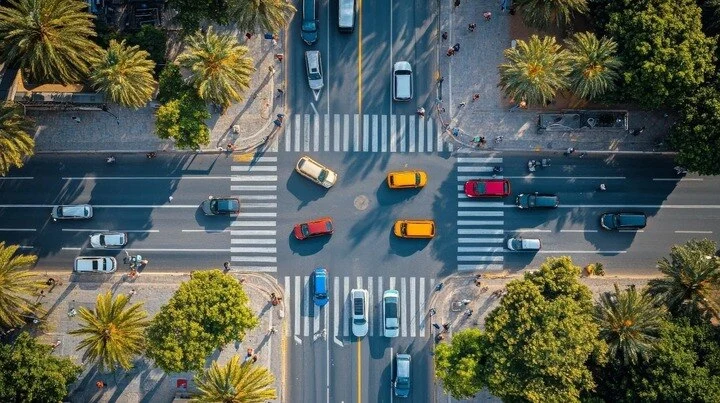
The intersections on the road are some of the most dangerous points on the road. A driver on a highway or driving on the road is usually aware of the road that he or she is driving on. However, the driver does not know that he or she is driving through intersections that have a number of risks.
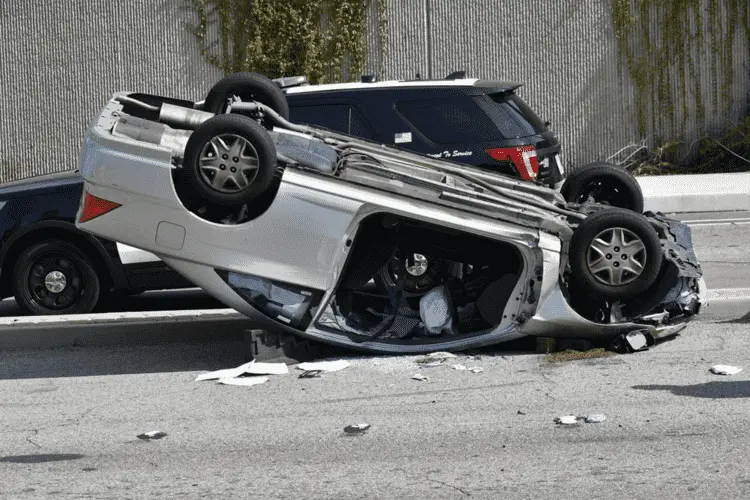
Intersection crashes often happen due to a number of different reasons that happen quickly and may result in fatal injuries. Drivers need to watch out for intersections that have poor visibility, heavy traffic, complex layouts, etc., and take necessary precautions like slowing down, keeping a calm mind, and yielding when necessary.
Here are some of the different ways that a driver can identify high-risk points at intersections.
1. Traffic Volume and Congestion
The simplest way to identify a high-risk intersection is by determining the volume and congestion of traffic. The more traffic at an intersection, especially during rush hour, the higher the chances that an accident can occur at that intersection due to the increased number of vehicles and the possibility that drivers may drive aggressively.
To avoid an accident at a congested intersection, a driver should slow down and be very careful while driving.
2. Poor Visibility
Another indicator of a high-risk intersection is a lack of visibility. This can take the form of buildings, trees, parked cars, or improperly positioned signage that can block a driver’s view of oncoming cars or pedestrians.
This can create problems for drivers approaching the intersection, as they may not have sufficient time to respond to a sudden development.
3. History of Accidents
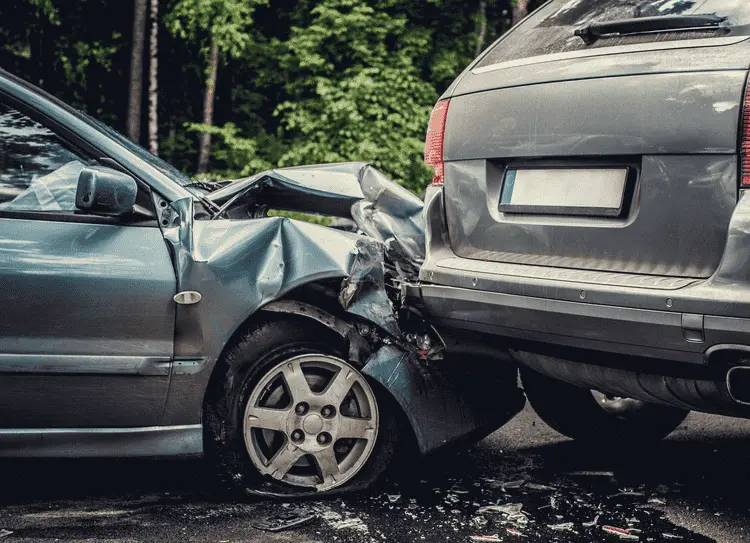
Some intersections are accident-prone just because of the history of accidents that have taken place at these intersections. There are some intersections that are prone to rear-end collisions, T-bone collisions, and collisions involving pedestrians. Such intersections may have some underlying problems that need to be addressed.
To avoid accidents in such intersections, one needs to be aware of their surroundings.
4. Complex Layouts and Multiple Lanes
Some intersections may have complex layouts and multiple lanes. Such intersections may be accident-prone. Drivers may get confused while driving through these intersections. They may get confused about which lane to drive in or when to turn. Such confusion may lead to collisions.
To avoid collisions in complex intersections, one needs to study the layout and drive in the right lane.
5. High Pedestrian or Bicycle Traffic
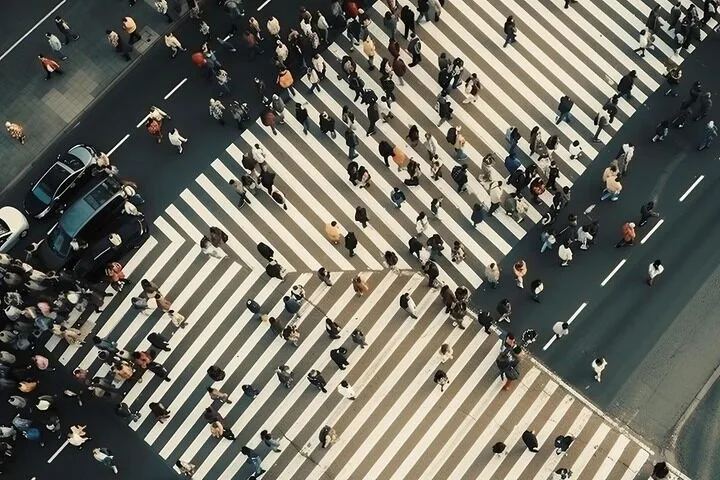
When there is high pedestrian or bicycle traffic, it is considered a very important factor that poses a high level of risk at intersections. The drivers may get distracted by people crossing the road at different points, cyclists on the sides of the road, and cars.
This may lead to a serious road accident if drivers do not yield to them or are unable to judge the speed of pedestrians or cyclists.
Key Takeaways
At high-risk intersections, drivers need to be aware and careful to avoid accidents. By considering the defining features of a high-risk intersection and how to successfully navigate it, one can ensure their safety and that of other road users.
Here are a few major points to keep in mind:
- The density of traffic is a factor that creates a probability of collisions occurring; to prevent accidents, there should be reductions in speed and the provision of safety.
- Poor visibility is not an easy way of spotting hazards; slow down and make sure that the sight line is clear before moving on.
- Give a second thought before approaching intersections that have an accident history; watch out for hazards and obey all signals.
- Complex layouts and multiple lanes confuse road users; stick to the correct lane, indicate appropriately beforehand, and move slowly and patiently.
- With high pedestrian or bicycle traffic, there is a need to be watchful, yield the right of way appropriately, reduce speed, and look out for sudden moves.