What Evidence Matters in a Rear-End Crash Case
The evidence in your case is what separates a strong claim from one that goes nowhere. In a crash where one car rams into the back of another, the at-fault driver is usually the one who hit from behind. But usually is not always, and insurance companies know how to exploit that.
If you were hurt in a rear-end crash and the other driver’s insurance company is already pushing back, that’s not an accident. That’s strategy. The right evidence is what counters it.
The evidence that matters most in a rear-end crash case includes the police report, photos and video from the scene, vehicle data, and any records that show what the other driver was doing before impact.
What Evidence Do You Really Need in a Rear-End Crash Case?
Here are the types of evidence that are most important in a rear-end crash:
The Police Report
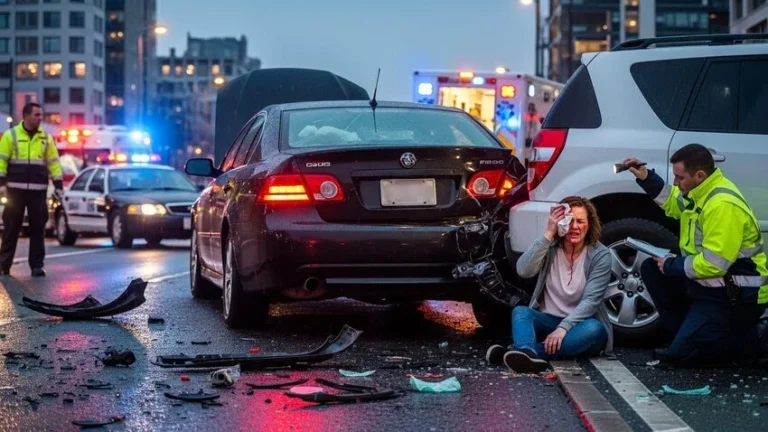
When officers arrive at the scene, they document what they observe at the accident scene and, in many cases, an initial assessment of who was at fault. If a citation was issued to the other driver for following too closely, speeding, or distracted driving, that goes into the report, too.
The police report is not the final word on fault, but it carries some real weight. Insurance adjusters read it. Attorneys use it. And if there’s a citation in it naming the other driver, that’s a meaningful starting point for your claim.
Photos and Video
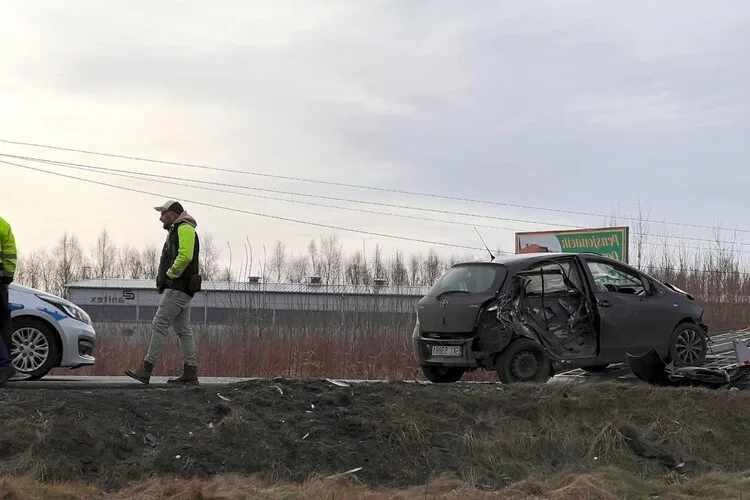
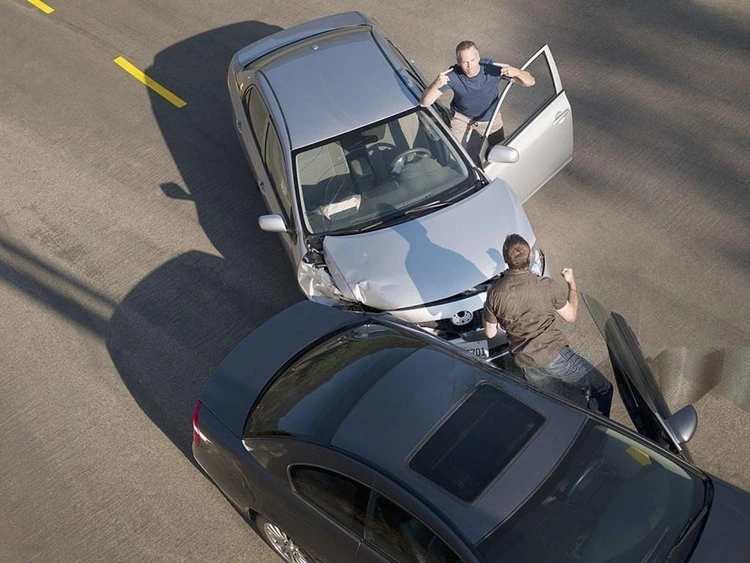
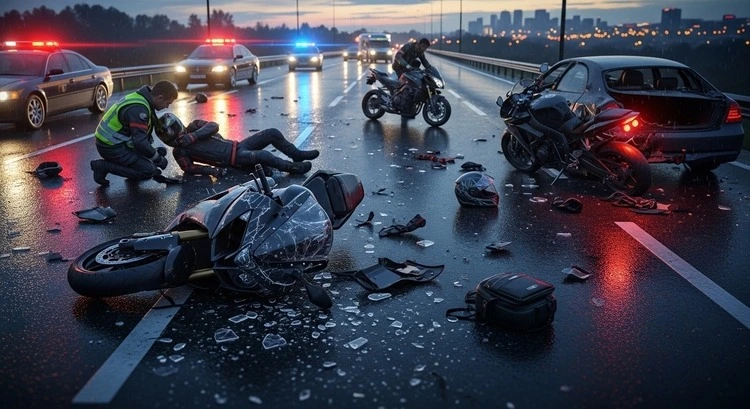
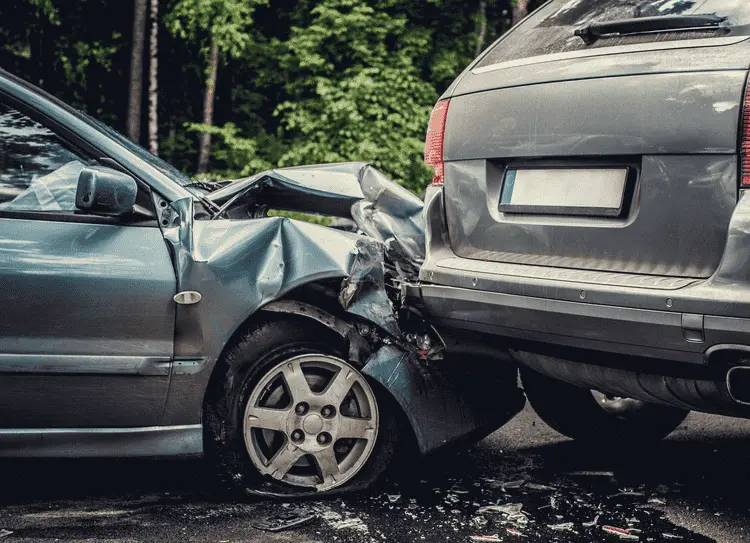
Pictures taken right after the crash can tell a story that words alone cannot. Damage to both vehicles, where they ended up after impact, skid marks on the road, traffic signal positions, road conditions – all of it matters. If you were able to photograph the scene before anything was moved, that evidence is valuable.
Video evidence can make your case stronger. Dashcam footage, yours or another driver’s, can show exactly what happened in the seconds before impact.
Surveillance cameras from nearby businesses, parking lots, or traffic systems may have captured the crash from an angle nobody thought to check. This kind of footage tends to cut through disputed accounts quickly.
The Vehicle’s Black Box Data
Modern vehicles carry an event data recorder that tracks what the car was doing in the final seconds before a crash. This records whether the brakes were applied and how hard the impact was.
If the other driver claims they were going 30 when the data says 60, the black box wins that argument. Getting to it fast matters, though, because that data doesn’t stay accessible forever.
Toxicology Results
If the officer at the scene had any reason to think the other driver was impaired, they may have requested a chemical test, which usually includes a breath alcohol test.
Those results become part of the official record. Impairment from alcohol, certain drugs, or even some prescription medications can factor significantly into how fault is assigned, and into how much compensation you may ultimately recover.
Expert Testimony
Some crashes are straightforward. Others turn into a back-and-forth where both sides have a version of events, and neither one is giving in. That’s when accident reconstruction experts have to come in.
They look at skid marks, the damage patterns on both vehicles, the angle of impact, and road and weather conditions, and they work backward to figure out what actually happened. Speed, following distance, who had time to react, and who didn’t.
In a disputed case, that kind of analysis can be the thing that breaks the deadlock.
Key Takeaways
- In a rear-end crash, liability is not always automatic. Evidence is what actually establishes fault and protects your claim.
- The police report is one of the first things to secure. If a citation was issued to the other driver, that matters.
- Photos of vehicle damage, road conditions, skid marks, and vehicle positions should be taken at the scene before anything is moved.
- Dashcam footage and nearby surveillance video can show exactly what happened and are often more persuasive than any driver’s account.
- Evidence has a short shelf life. The sooner you get an attorney involved, the better your chances of preserving what you need.