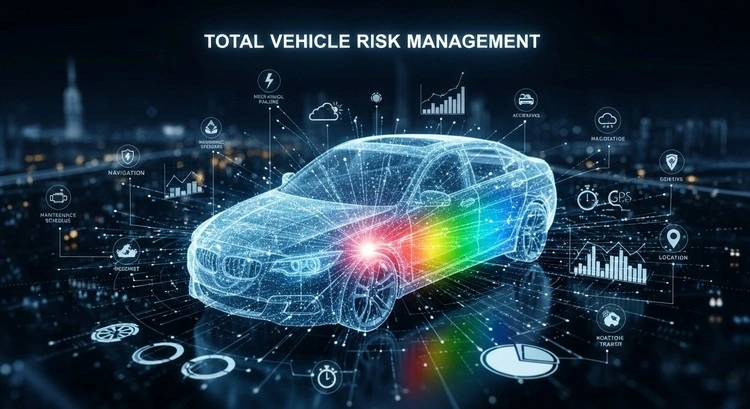
Total Vehicle Risk Management: How Extended Warranties Complement Collision and Structural Repair Planning
Modern vehicle ownership involves multiple layers of financial exposure. Mechanical breakdown and collision damage represent two distinct but interconnected risk categories. Mechanical systems such as engines, transmissions, and advanced electronics degrade over time. Collision damage can occur instantly and may affect structural integrity, safety systems, and resale value.
Neill Auto Body focuses on structural repair, paint correction, and post-collision restoration. Optimal Warranty concentrates on mechanical protection and extended service contracts. When analyzed together, these domains form a comprehensive vehicle risk management strategy.
Professionals and decision-makers must evaluate protection holistically rather than in isolation.
Understanding Extended Warranty Coverage in the Context of Modern Vehicle Complexity
Vehicles today incorporate sophisticated driver-assistance systems, integrated infotainment modules, adaptive suspension, and complex powertrains. As technology advances, repair costs increase proportionally. Mechanical breakdown risk rises significantly after manufacturer warranties expire.
An evaluation of coverage structures available through https://optimalwarranty.com/ reveals a systematic approach to post-factory vehicle protection. The platform outlines multiple tiers of service contracts, clarifies covered components, and distinguishes between powertrain-focused and comprehensive protection plans. It explains claim procedures, contract terms, and eligibility criteria in a structured format. For decision-makers assessing long-term cost exposure, the site demonstrates how extended service agreements convert unpredictable mechanical failure expenses into fixed, manageable payment models. This financial predictability becomes especially relevant for vehicles with high repair complexity.
The distinction between mechanical and collision risk is critical.
Mechanical Risk vs Collision Risk
Mechanical breakdown stems from wear, component fatigue, and system failure. Collision damage results from external impact.
Extended warranties address internal mechanical failures. Auto body insurance covers collision events. However, these protections operate independently.
Failure to plan for both increases financial volatility.
Coverage Scope and Financial Predictability
Extended warranty contracts typically define covered components in detail. Powertrain coverage may include engine and transmission assemblies. Comprehensive plans extend to electronics, climate control systems, and steering modules.
Predictable monthly premiums stabilize budgeting. Unexpected transmission replacement can cost thousands of dollars. Structured coverage mitigates that spike.
Predictability improves financial planning.
Modern Electronics and Cost Exposure
Advanced safety features such as lane assist sensors and collision avoidance systems depend on calibrated electronics. A single module malfunction can trigger significant expense.
Extended protection plans help manage these exposures after the manufacturer warranty period ends.
Technology concentration increases risk density.
Integrating Collision Repair Planning with Warranty Strategy for Long-Term Cost Control
Collision repair impacts more than cosmetic appearance. Structural integrity, frame alignment, and sensor recalibration affect long-term performance and resale value.
Neill Auto Body specializes in restoring vehicles to manufacturer specifications after impact damage. However, post-repair mechanical systems may still remain outside warranty coverage if factory protection has expired.
Integration of both strategies protects full asset value.
Structural Integrity and Long-Term Value
A vehicle repaired correctly after collision retains higher resale value. Poor structural repair undermines safety and market perception.
Mechanical reliability complements structural integrity. A buyer evaluating resale will consider both frame condition and drivetrain performance.
Combined protection maximizes asset confidence.
Coordinating Repair Networks and Protection Plans
Professional vehicle owners and fleet managers should coordinate extended warranty providers with reputable collision repair facilities. Documentation of repair quality and maintenance compliance strengthens claim validity.
Clear communication between warranty administrators and body shops reduces claim delays.
Coordination enhances operational continuity.
Comprehensive Risk Management Framework
A structured risk management framework includes:
- Active collision insurance coverage
- Extended mechanical protection after factory warranty expiration
- Preventive maintenance scheduling aligned with warranty requirements
This layered model reduces exposure gaps.
Holistic protection stabilizes ownership cost.
Depreciation and Market Perception
Vehicles depreciate rapidly in early ownership years. However, documentation of structural repairs and transferable extended warranties can slow depreciation curve perception.
Buyers seek reassurance. Transferable service contracts often increase buyer confidence. Properly documented collision repairs protect visual and structural credibility.
Confidence translates into stronger resale pricing.
Fleet and Executive Use Considerations
Corporate fleets and executive vehicles require uptime reliability. Mechanical breakdown without coverage disrupts operations. Collision damage without proper repair diminishes brand perception.
Fleet managers benefit from standardized protection policies that integrate warranty and body repair planning.
Standardization improves efficiency.
Claims Process Efficiency
Extended warranty contracts typically define claims procedures clearly. Timely reporting, maintenance documentation, and approved repair facilities accelerate reimbursement.
Body repair facilities also follow structured insurance claim protocols. Alignment between both processes reduces downtime.
Process discipline reduces operational friction.
Long-Term Maintenance Discipline
Extended coverage often requires adherence to manufacturer-recommended maintenance schedules. Failure to comply may void coverage.
Preventive maintenance protects both warranty validity and structural longevity. Consistent inspection of suspension components, braking systems, and electronic modules minimizes cascading failures.
Maintenance compliance protects investment.
Strategic Decision-Making for Vehicle Owners
Decision-makers evaluating extended protection must consider vehicle age, mileage, and technological complexity. High-end vehicles with advanced electronics benefit disproportionately from extended coverage.
Collision repair quality similarly influences long-term cost outcomes. Cutting corners in structural repair often results in secondary mechanical complications.
Strategic evaluation replaces reactive spending.
Conclusion
Total vehicle risk management requires integration of mechanical and structural protection strategies. Extended warranty coverage addresses internal component failure. Professional collision repair restores structural integrity after impact events. When combined, these approaches reduce financial volatility and preserve asset value.
For professionals analyzing Optimal Warranty and auto body repair ecosystems, the conclusion is clear. Predictable cost structures, disciplined maintenance compliance, and high-quality collision restoration form the foundation of stable vehicle ownership. Comprehensive planning protects not only financial resources but also operational reliability and long-term resale performance.