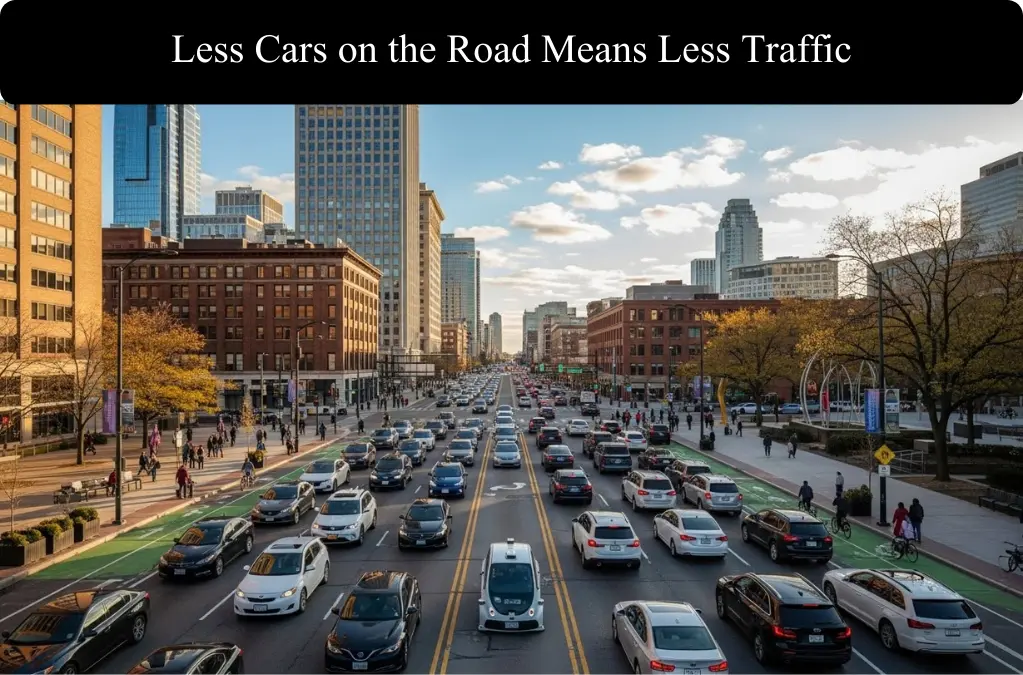
Less Cars on the Road Means Less Traffic: Analyzing the Efficiency and Safety Paradox
We have all experienced those rare, quiet mornings. You step outside, and the usual roar of engines is gone. The streets feel calm, the air smells cleaner, and the typical stress of the morning rush is nowhere to be found. As Garrett Regan noted, when fewer cars are on the road, everything simply moves more smoothly.
It seems like simple math: fewer vehicles should mean fewer jams and a safer environment. But the reality is a bit more complex. While reducing traffic volume undeniably clears up congestion and helps us breathe easier, it creates a unique dynamic on our streets. This article explores how lowering car density transforms our cities for the better in terms of efficiency and health, while also setting the stage for the hidden risks that come with wide-open roads.
The Direct Connection Between Vehicle Volume and Congestion
Traffic jams are rarely caused by a single major event. Most of the time, they happen simply because too many people are trying to use the same space at the same time. Roads have a tipping point; once that limit is reached, speed drops, and frustration rises.
Understanding the Ripple Effect
When roads are at capacity, a single small action can ruin the commute for hundreds of people. If one driver taps their brakes because they were following too closely, the car behind them brakes a little harder. This chain reaction travels backward through the line of cars, growing in intensity until traffic comes to a complete standstill miles behind the original incident. This is often called a “phantom traffic jam.”
When we reduce the number of cars on the road, we remove the friction that causes these ripples. Drivers have more space to merge and adjust speed without forcing others to slam on the brakes. The flow remains steady, and the phantom jams disappear.
Predictable Commutes and Mental Ease
The most immediate benefit of this smooth flow is time. When traffic is light, your GPS estimate is actually accurate. You don’t have to buffer your schedule with an extra 30 minutes “just in case.” This reliability does wonders for mental health. Instead of starting the day gripping the steering wheel in frustration, commuters arrive at work or home feeling calm.
Economic and Environmental Impacts of Reduced Traffic
The benefits of lighter traffic go far beyond just saving time. There is a direct link between the flow of traffic, the money in your wallet, and the health of your community.
Efficiency, Fuel, and Vehicle Health
Stop-and-go traffic is terrible for your car. Constant braking and accelerating burn fuel at a much higher rate than driving at a steady speed. When the roads are clear, engines run efficiently. You get more miles per gallon, which adds up to significant savings at the pump each month.
Beyond fuel, your vehicle lasts longer. Heavy congestion forces your engine to idle and your brakes to work overtime, accelerating mechanical wear. Smoother driving conditions mean you won’t need to visit the mechanic as often for routine maintenance, keeping your car in better condition for years.
A Cleaner, Healthier Economy
Cities that manage to reduce car use—whether through better public transport or during specific low-traffic periods—see immediate drops in pollution. When thousands of idling engines are removed from the equation, the air clears up. This isn’t just about better views; it’s about health. Reduced emissions mean less damage to our lungs and fewer respiratory issues for the population.
Furthermore, a gridlocked city is a slow economy. When traffic is light, delivery trucks can make their drops on time, and service vehicles can attend to more clients. This reliability helps businesses run efficiently.
It is also worth noting the broader financial impact of road safety in these conditions. While we often think of accidents as physical events, car crashes in the United States result in high costs; in what areas do these high costs occur? They impact healthcare systems, property damage, and lost workforce productivity—expenses that can be significantly lowered when a city manages its traffic volume effectively.
The Safety Paradox: Does Lower Volume Equal Safer Roads?
While we enjoy the clean air and quick commutes, we must address a dangerous misconception. Many drivers assume that fewer cars on the road automatically mean fewer accidents. If you think empty streets are perfectly safe, think again.
The Myth of the “Safe” Empty Road
During periods of low traffic, such as early mornings or during specific stay-at-home orders, the dynamic of the road changes. The natural “governor” of traffic—congestion—disappears. Without a wall of red taillights ahead, drivers often relax too much. They speed up, check their phones, or drive erratically because they feel alone on the road.
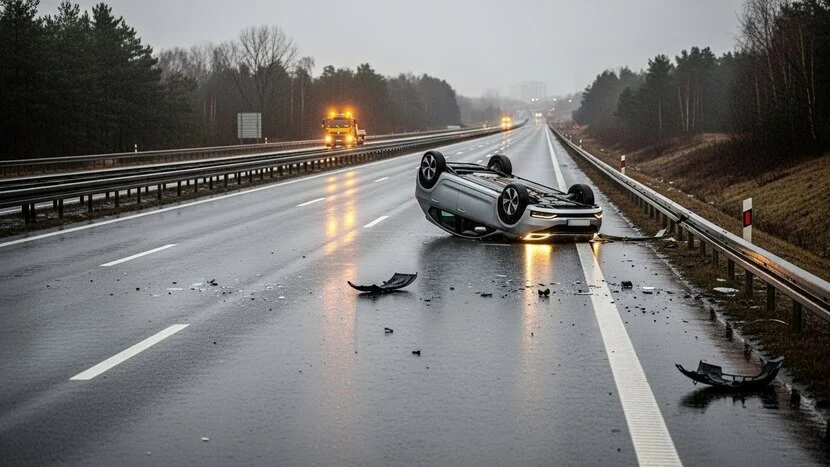
Statistics often show a troubling trend: while the total number of minor fender-benders drops when traffic is light, the severity of crashes increases. High-speed collisions are far more deadly than the low-speed bumps that happen in gridlock. Even with fewer cars, essential vehicles like delivery trucks and emergency responders are still out there, and a collision with them at high speed can be catastrophic.
Defensive Driving and Vehicle Safety in Low-Traffic Zones
To stay safe on an open road, you need to shift your mindset from “patience” to “vigilance.” You aren’t watching for brake lights anymore; you are watching for speeders and sudden lane changes.
Maintaining Vigilance Despite Low Volume
Always practice defensive driving. Assume that the few other cars on the road might not see you. Keep your eyes scanning the horizon and check your mirrors frequently. Just because the road looks empty doesn’t mean a car isn’t approaching fast in your blind spot.
Understanding Your Vehicle’s Safety Systems
Your car is equipped with technology designed to help you maintain control during the high-speed maneuvers that occur on open roads. However, many drivers don’t fully understand how these features work until it is too late.
For instance, understanding what the ABS built into my car is intended to do—specifically, preventing your wheels from locking up so you can steer while braking—is critical when you need to make an emergency stop at highway speeds. Trusting these systems can be the difference between a near-miss and a severe rollover.
Immediate Actions to Take After a Collision
If you are unfortunate enough to be involved in a crash, the steps you take in the first few minutes are vital for your health and your legal rights.
Step-by-Step Accident Guidelines
First, call 911 immediately. Even if the roads are quiet and you think you can handle it, you need police and medical personnel on the scene. Wait for them to arrive. While waiting, preserve evidence by taking pictures of the vehicles, the road conditions, and any injuries. Exchange information with the other driver and get statements from any witnesses.
Most importantly, go to the emergency room or see your primary care physician right away. Adrenaline can mask pain, and serious injuries might not be obvious immediately.
Navigating Legal Claims and Police Reports
A police report is a critical piece of evidence. If police response is slow due to high demand or other crises, do not leave without gathering as much info as possible. If you were injured due to someone else’s negligence, recovering costs for medical bills and suffering often necessitates legal action. Filing a personal injury claim after a car accident is the standard process to ensure you aren’t left paying for someone else’s mistake.
How Governments Can Sustain the Benefits of Less Traffic
We don’t need a crisis to enjoy better traffic conditions. Governments can take active steps to keep car volumes low permanently.
- Investing in Public Transport: People will leave their cars at home if they have a better option. Efficient, clean, and punctual transit systems provide an easy alternative.
- Encouraging Active Transport: Simple changes, like adding carpool lanes or building safe walking paths and bike lanes, encourage people to share rides or use active transport for short trips. This not only reduces congestion but also fosters a sense of community.
Conclusion
Fewer cars on the road certainly leads to less traffic, cleaner air, and a more efficient economy. It saves us time and money. However, it does not automatically guarantee safety. The open road brings its own set of risks, primarily related to speed and complacency. By staying alert, understanding our vehicles, and supporting smart urban planning, we can enjoy the benefits of reduced traffic without falling victim to its dangers.
FAQs
Traffic usually starts when the volume of vehicles exceeds the road’s capacity. One small disruption, like a car braking, causes a ripple effect that slows everyone down.
Without congestion to naturally slow drivers down, average speeds increase significantly. Accidents that occur at higher speeds transfer more energy, resulting in more severe injuries and fatalities compared to low-speed gridlock collisions.
No. While the frequency of minor accidents may drop, the severity of accidents often increases because drivers travel at higher speeds and may be less attentive.