How Traffic Conditions and Driver Behavior Lead to Crashes
Usually, there is a warning before a car crash. Poor road conditions and people making lousy choices are the main reasons why crashes happen. Understanding how traffic conditions affect driver behavior can explain why some accidents happen and how liability is decided in personal injury cases.
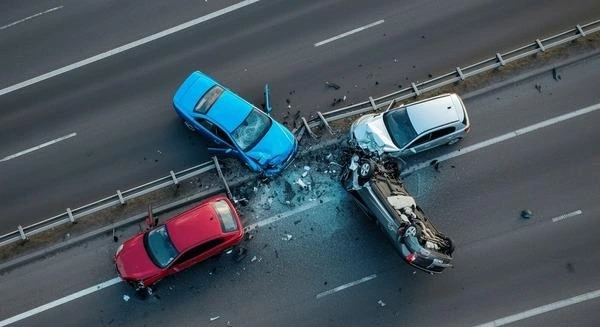
Many studies on the common crash causes demonstrate that problems like traffic jams, poor visibility, speeding, and not paying attention to the road lead to crashes. Small mistakes can escalate to catastrophic accidents with long-term implications if drivers do not modify how they drive based on the road and traffic conditions.
How traffic can lead to accidents
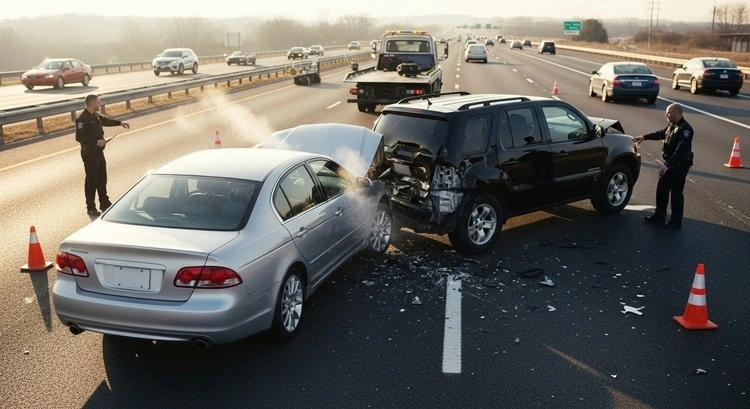
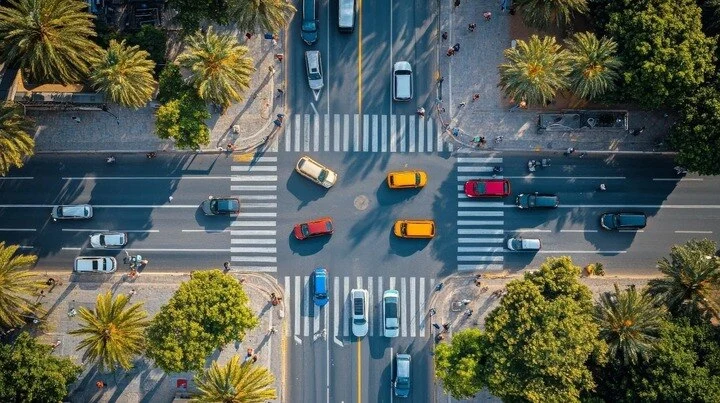
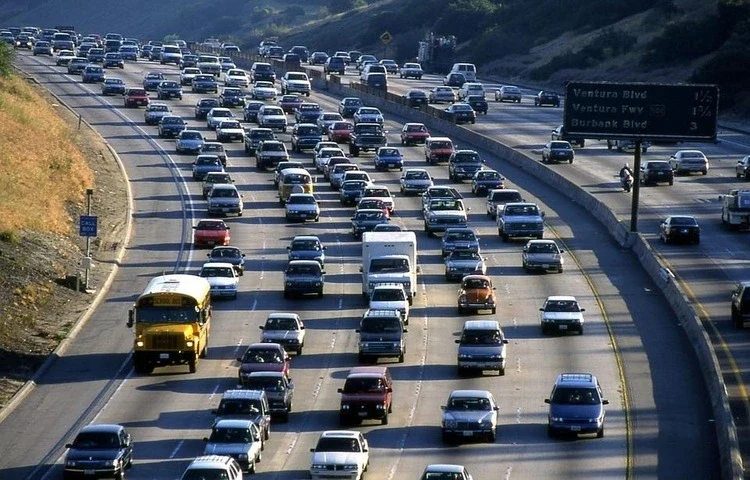
Traffic is the main thing that affects the risk of a crash. When there are many cars on the road, rear-end collisions are more likely to happen. Errors are more likely when drivers react slowly on highways. It is especially harder to make decisions when there are construction zones, fewer lanes, and traffic that suddenly slows down.
The weather also has an impact on how safe the roads are. Drivers may have trouble seeing and driving safely due to rain, fog, and glare. When drivers do not slow down or leave less space between them and the car in front of them, the risk of a crash increases considerably.
The effect of driving behavior on the number of accidents
Driver conduct is often the main cause of crashes. Investigators frequently determine that excessive speed, distracted driving, and aggressive behavior are responsible for accidents. Even on well-designed roads, making bad choices can make safety systems useless and make crashes worse.
A few common behaviors that cause crashes are:
- Going too fast or speeding
- Driving too close
- Driving while distracted, like using a phone
- Not giving way or following traffic signs
These things make it tougher for a driver to respond quickly and deal with unexpected hazards on the road.
Evidence used to find the cause of the collision
Investigators think a lot about how traffic patterns and driver conduct contributed to a crash. They use data, which is unbiased, to determine what happened and who is at fault. Here is some of the evidence that can be used:
- Police reports and pictures of collisions
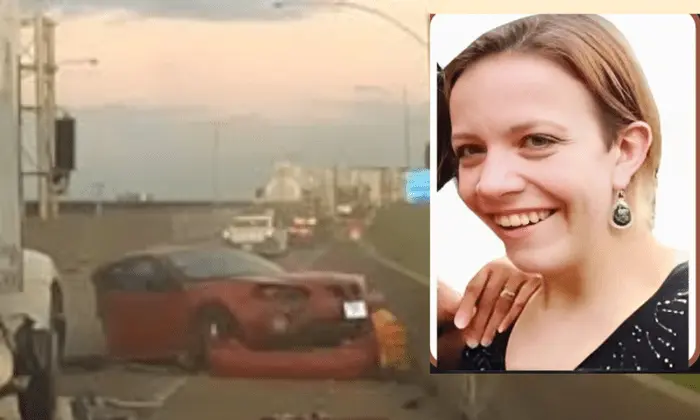
- Video from a dashcam or traffic camera
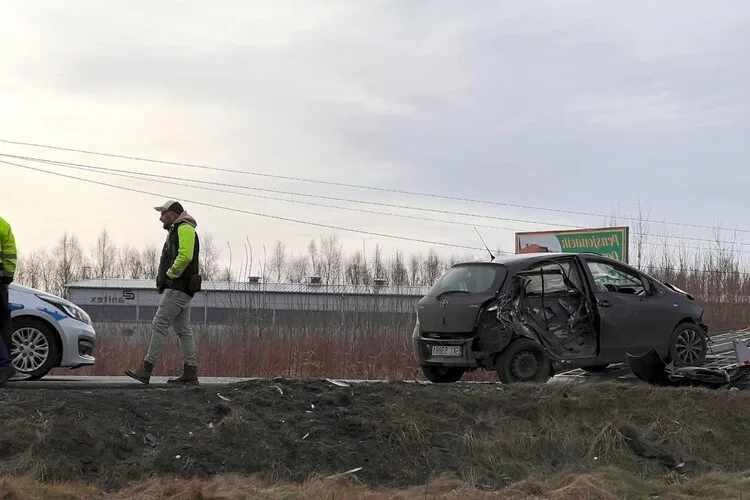
- Patterns of damage to cars and skid marks
- Witness statements and information from the car’s computer
This evidence can indicate whether a driver performed appropriately or recklessly.
Consequences of road accidents under the law
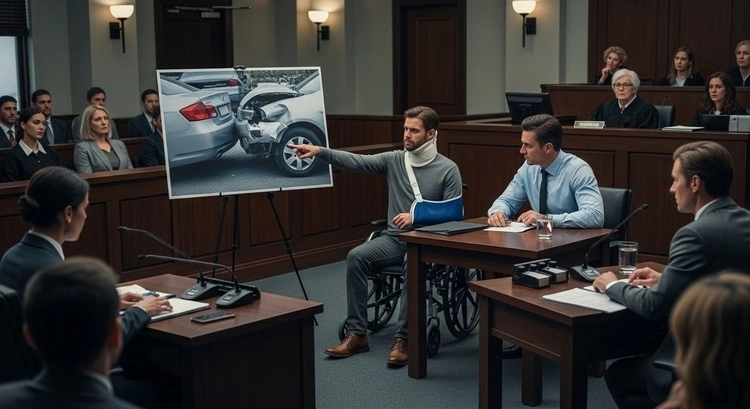
In personal injury lawsuits, who is to blame usually hinges on whether the driver was careful, given the condition of the road and the traffic. Even when the road is busy or not well designed, drivers should be aware of their surroundings and follow traffic laws.
If there is proof that a driver did not pay attention to obvious dangers or traffic laws, they could be charged with negligence. If you can prove that the conditions were unavoidable or that someone else caused the disaster, you have a good shot at a claim.
Key Takeaways
- Traffic accidents can happen when the roads are terrible and people drive badly.
- Drivers who don’t adapt how they drive, whether there is traffic, severe weather, or road changes, are more likely to get hurt.
- People often cause accidents by speeding, not paying attention, or following too closely.
- Video footage and crash reports are two types of evidence that can help show who is to blame.