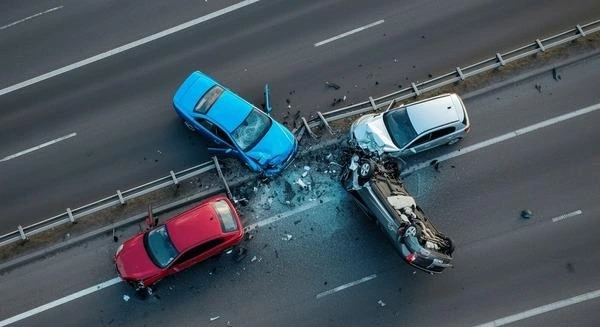
Steps to Take After Being in a Chain Reaction Crash
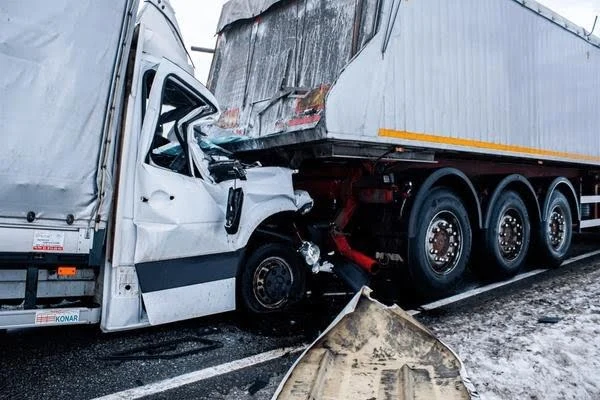
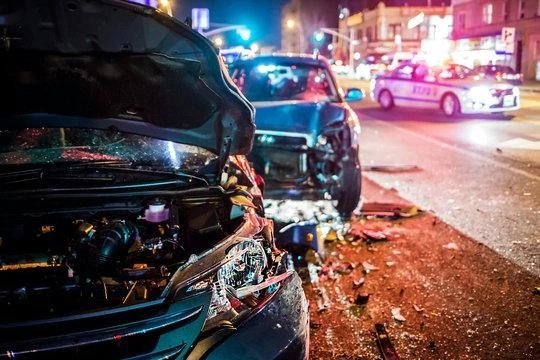
A chain reaction crash is a type of crash in which multiple vehicles hit one another in a chain reaction, and in most cases, drivers are unsure of their next move. These are fast accidents and may cause confusion, especially when a number of people are involved.
A multi-vehicle car crash, in most instances, results in multiple faults and an increased risk of injury. Being aware of the correct actions to take can save your life and reduce difficulties in the future.
Due to the involvement of a few drivers, insurers, and witnesses, even minor decisions made at the scene can have long-term consequences. It is important to remain composed and act methodically.
Step #1: Check for Injuries and Call for Help
Start by looking for injuries on yourself and others. Even if there are no obvious symptoms, find out whether anyone is in discomfort.
Contact emergency personnel right away if there are any injuries. Conditions can be prevented from worsening with prompt medical intervention.
Step #2: Move to a Safe Location
Remove the cars from active traffic lanes if they can be driven and doing so is safe. This reduces the likelihood of further collisions, which are common in multi-car incidents.
Activate the danger lights while keeping an eye out for nearby traffic. Safety should always come first.
Step #3: Contact the Police
Send the police and ask one of the officers to come to the scene. The police report is essential in a multi-car crash with possible disputed fault.
It provides official documentation that is referenced by insurers and legal practitioners.
Step #4: Gather Evidence at the Scene
When the scene has been cleared, start recording everything. Traffic crashes involve a lot of chain reactions, which may cause information to be forgotten easily.
Snapshot photos of all the cars, including damage and positions. Take down license plates, road conditions, and road signs.
Gather the names, contact data, and insurance information for all drivers. Witnesses should also be contacted, along with their contact details.
Step #5: Seek Medical Attention Promptly
After a collision, not all injuries show up right away. It can take hours or days for conditions like whiplash or internal damage to manifest.
Even if you feel well right now, get a medical checkup as soon as you can. Proper treatment can be ensured and problems avoided with early diagnosis.
In the event that insurance claims or disputes subsequently occur, medical records also constitute crucial documentation.
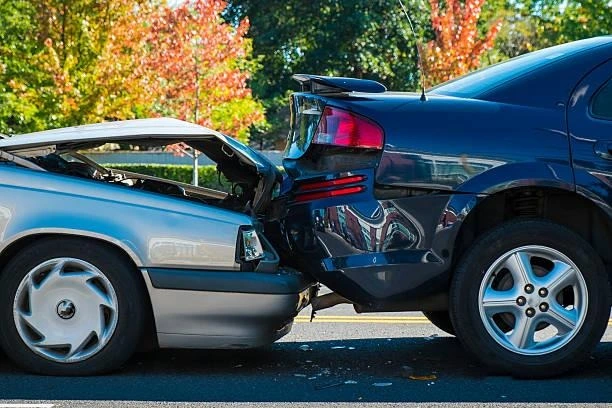
Step #6: Notify Your Insurance Company
Incidentally, the accident should be reported to your insurance company. Be transparent with the information.
Guessing and blaming are to be avoided. Responsibility investigations will be done in an evidence-based manner.
Step #7: Organize Documentation and Follow Up
Store any accident-related documents. This will comprise photos, a medical report, repair estimates, and the police report.
Take all the medical recommendations and check-ups. Consult additional treatment if new symptoms emerge.
Why Chain Reaction Crashes Are More Complicated
Multiple points of impact and shared responsibility are common in chain-reaction crashes. A driver’s abrupt halt can trigger a series of crashes behind them. When an automobile brakes rapidly, for instance, the next car slows down in time, but a third car doesn’t react, causing a pile-up.
In these cases, determining culpability necessitates a close examination of the driver’s actions, timing, and distance. Strong evidence and precise records are crucial because of this intricacy.
Key Takeaways
- Chain-reaction crashes are complex and involve multiple vehicles.
- In the first place, always check for injuries and call emergency services.
- Park cars in a secure place if possible.
- Call the police and report the crash.
- Observe the evidence, such as photographs and witness descriptions.
- Even minor injuries should be attended to by a doctor.
- Maintain sorted insurance and legal records.