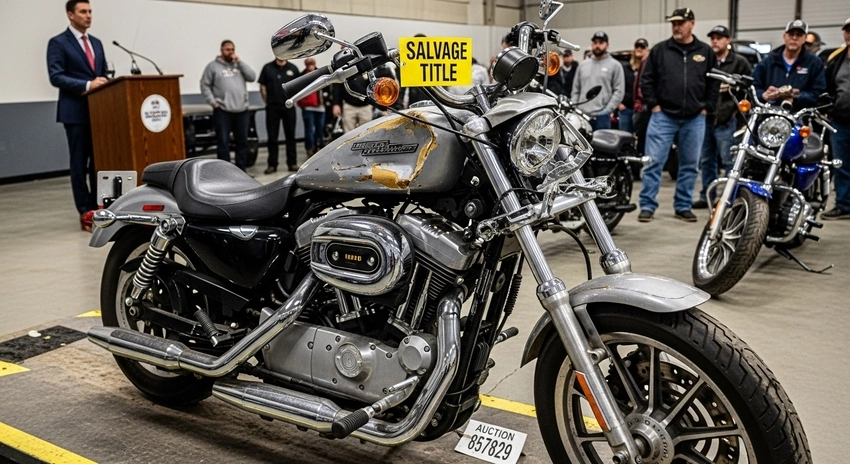
What is a Salvage Title Motorcycle?
A salvage title motorcycle is a bike that an insurance company has declared a total loss after damage, theft recovery, flooding, or another event that makes the repair cost too high compared to the bike’s value. The motorcycle can still run and even look great. The title status simply signals that the bike crossed a threshold where an insurer decided it no longer made financial sense to repair under a standard claim.
For shoppers scanning listings or bidding at a motorcycle online auction, a salvage title changes the homework. It affects safety checks, paperwork steps, financing options, insurance choices, and future resale value. Done carefully, buying one can feel like a smart move. Done carelessly, it can turn into a costly surprise.
Salvage Title Basics: What the Label Actually Means
A salvage title is a legal branding on the vehicle record. States use it to warn future buyers that the motorcycle suffered significant damage or loss at some point. Most commonly, an insurance company pays out a claim and takes ownership, then reports the total loss and triggers the salvage status. In some cases, an owner can request salvage branding after severe damage, even without an insurance payout.
The key idea is financial, not emotional. “Total loss” does not always mean “wrecked beyond repair.” It often means the repair estimate plus related costs exceeded a state or insurer threshold based on the motorcycle’s pre-loss value. A small sportbike with expensive fairings and electronics can hit that threshold quickly. A larger cruiser with a higher market value might need more damage before it reaches the same point.
Salvage rules vary by state, so the label can cover a wide range of real-world conditions. One salvage bike may have needed a full frame replacement. Another may have suffered cosmetic damage, theft recovery with missing parts, or minor fire damage that still triggered a total-loss decision. That range is why inspection and documentation matter so much.
Common Reasons a Motorcycle Gets a Salvage Title
Collision damage sits at the top of the list. Bikes can suffer bent forks, cracked frames, wheel damage, broken subframes, and heavy cosmetic hits. Even when the engine survives, labor costs add up fast. Modern motorcycles pack tight components, and teardown time alone can raise the estimate.
Flood and water exposure also cause salvage branding. Water can enter connectors, sensors, switches, and the wiring harness. Corrosion can start quietly and show up months later as random electrical faults. Even if the bike starts and idles fine, water damage can shorten the life of bearings, brakes, and electronics.
Theft recovery creates another common salvage path. Some insurers brand recovered motorcycles as salvage if the bike went missing long enough, if parts were stripped, or if the claim had already been paid out. The damage might look light, but missing keys, hacked wiring, swapped parts, and hidden tampering can create real repair work.
Salvage, Rebuilt, and Clean Titles: Know the Differences
A clean title means the motorcycle has no major branding on its record. It may still have crash history, repairs, or repaint work, but the state has not flagged it as a serious loss. A salvage title means the bike cannot usually be registered for road use until it passes a process set by the state, if the state allows it.
A rebuilt title, sometimes called “rebuilt salvage” or “prior salvage,” means the bike started as salvage, then someone repaired it and completed the required inspections and paperwork. The state then reissued a title with a rebuilt brand. That brand stays with the motorcycle in most cases. It tells future buyers the bike once held salvage status, even if it now passes a roadworthiness check.
This difference matters at purchase time. A salvage title motorcycle may require towing, inspections, receipts, and extra DMV steps before it can legally hit the street. A rebuilt-title motorcycle can typically be registered right away, but you still need to evaluate repair quality. A rebuilt title confirms that a process happened. It does not confirm top-tier workmanship.
Inspection Priorities: How to Judge a Salvage Motorcycle’s Real Condition
Start with structural safety. Check frame alignment, steering head area, welds, and any signs of straightening. Look closely at the triple clamps, fork tubes, wheels, and swingarm. Uneven tire wear, off-center bars, and a bike that “crabs” down the road can hint at alignment issues. If you can, get a professional inspection from a shop that knows motorcycle frames and suspension.
Next, audit the electrical system. Inspect the harness for splices, melted sections, non-factory connectors, and sloppy routing. Test every switch, light, dash function, and charging output. On bikes with ride modes, ABS, traction control, or immobilizers, run a diagnostic scan if a shop can do it. Electrical issues often hide during a short test ride, then show up later as intermittent faults.
Finally, verify the parts and repair story. Ask for photos from before and during repairs, itemized receipts, and part numbers where possible. Confirm that critical components match the model year and trim. Aftermarket parts can be fine, but you want to know what changed and why. Pay extra attention to brakes, tires, chain and sprockets, bearings, and cooling system parts, since these affect safety immediately.
Insurance, Financing, and Registration: the Practical Reality
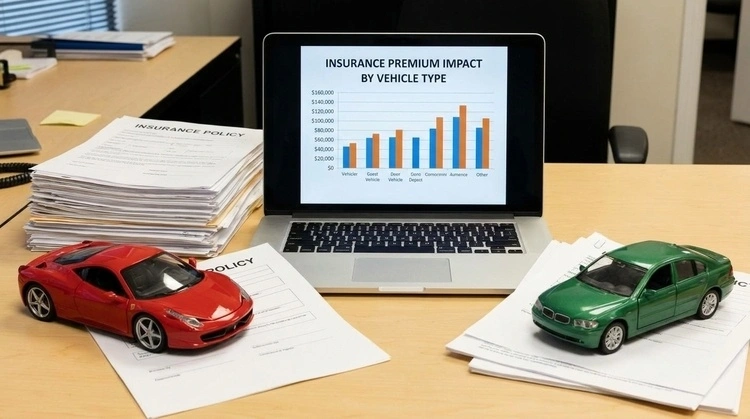
Insurance can be the biggest surprise. Many lenders require full coverage, and many insurers limit full coverage on salvage or rebuilt motorcycles. Some will offer liability only. Others will insure the bike but cap payout methods or require an inspection first. Call insurers before purchase, give them the VIN, and ask what coverage types they will write for that exact bike.
Financing can also be tricky. Traditional lenders often avoid salvage titles, and some avoid rebuilt titles, too. Buyers commonly use cash, personal loans, or specialty financing. If you plan to finance, confirm approval terms first, so you do not buy a bike you cannot register or insure the way you need.
Registration rules depend on your state. Some states require a salvage inspection, receipts for major parts, and proof that the repairs meet road standards. Some states add extra steps if the bike came from out of state. Build a checklist before you buy: required forms, inspection locations, lead times, fees, and any restrictions on riding before inspection. Paperwork delays can turn a “great deal” into a long garage ornament.
Smart Buying Strategy: Pricing, Red Flags, and Resale Reality
Pricing should reflect risk and future value. Salvage and rebuilt motorcycles generally sell for less than clean-title equivalents, even when repaired well. That discount exists for good reasons: limited financing, limited insurance options, buyer skepticism, and unknown history. A fair price factors in inspection costs, any needed repairs, state inspection fees, and the reduced resale market later.
Watch for red flags that signal poor repair quality or hidden damage. Mismatched paint and fasteners, missing factory labels, stripped bolts, cheap tires, bent levers, and uneven panel gaps can point to rushed work. Pay attention to “fresh rebuild” claims without receipts or photos. A seller who cannot explain the damage history or refuses a third-party inspection often signals trouble.
Resale reality matters from day one. Even if you plan to keep the motorcycle for years, life changes happen. A rebuilt title narrows your buyer pool, and many buyers will negotiate hard. If the discount upfront is small, the math may not work. If the discount is meaningful and the bike checks out structurally and mechanically, a salvage or rebuilt motorcycle can deliver strong value for a rider who buys carefully and documents everything.