What Evidence Should You Save After a Serious Car Crash?
The moments after a serious car crash are chaotic. Your heart is racing, you are trying to figure out if everyone is okay, and the last thing on your mind is building a legal case. That is completely understandable. But the evidence that exists right after a crash, at the scene, on your phone, in your pockets, starts disappearing almost immediately. Tuscaloosa roads see serious accidents regularly, and what injured drivers do in the hours and days after a collision often shapes how their case holds up months later.
A Tuscaloosa car accident lawyer can help you figure out what to do once things settle down, but the evidence you save before that conversation happens is often the most valuable kind.
Start at the Scene If You Can
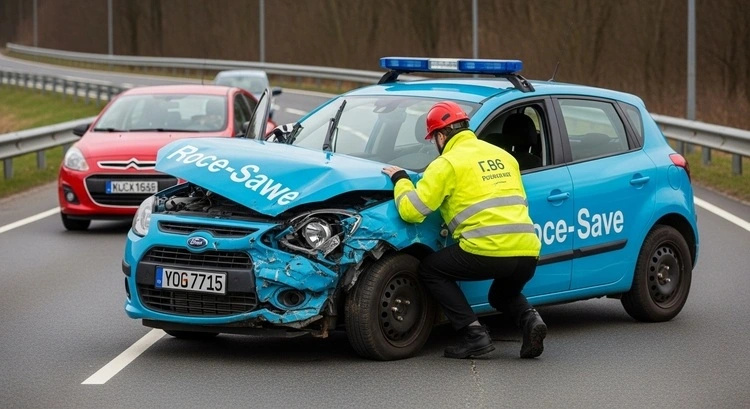
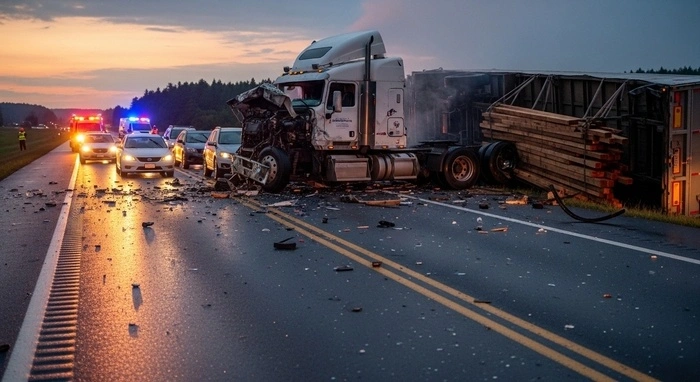
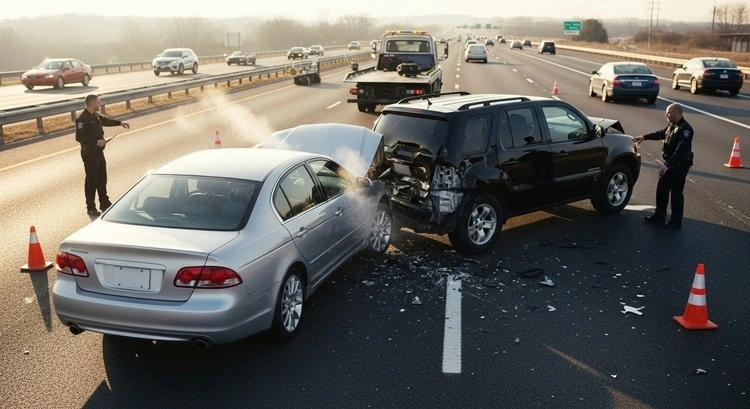
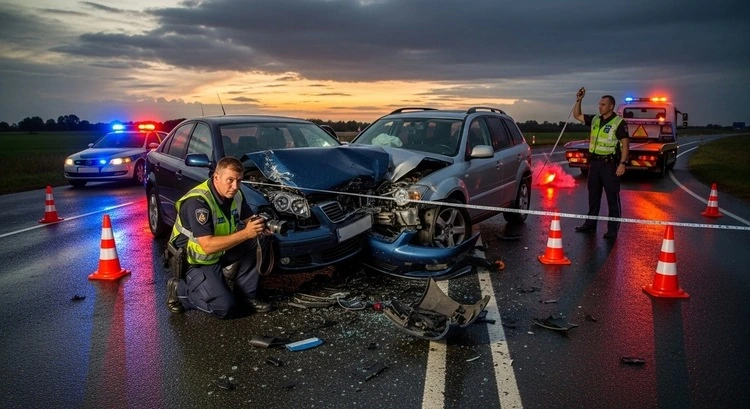
If you are physically able to move around after the crash, use your phone. Take photos of everything before anyone moves the vehicles. Capture the position of the cars, the point of impact, skid marks, debris on the road, traffic signals, and any visible damage to both vehicles.
Take more than one kind of photo. Get wide shots that show the full scene, including the cars, road, traffic signs, and weather conditions.
You should also take photos of your injuries before leaving the scene. Even small cuts, redness, swelling, or bruises may matter later. If you wait until you get home, the injury may look different. A photo taken right after the crash can show how things looked at the time it happened.
Witness Information Is Easy to Lose
Bystanders who saw the crash do not stick around forever. Before police arrive and people start drifting off, ask anyone who stopped or saw what happened for their name and phone number. A quick note in your phone is enough.
Witnesses can make a big difference when the other driver denies fault. A person who saw the crash may be able to confirm that the other driver ran a red light, changed lanes without looking, or followed too closely.
Do not assume you can find that person later. Once they leave the scene, it may be very hard to track them down.
The Police Report Is Not Optional
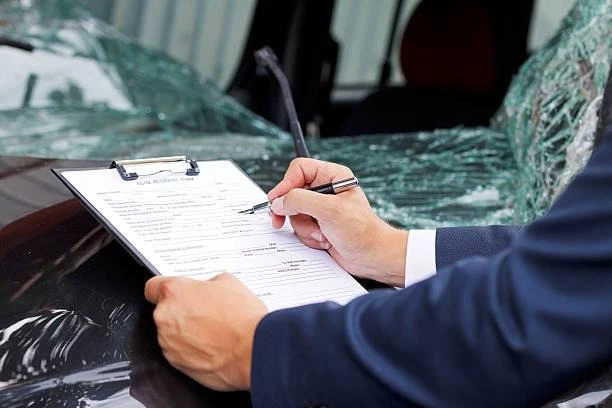
Always call the police after a serious accident, even if the other driver suggests handling it privately. A police report creates an official record of the crash, including the officer’s observations, any citations issued, and preliminary notes on how the accident occurred.
Get the report number before you leave the scene. Once the report is filed, you can request a copy. This document becomes one of the foundational pieces of your case, especially when the other party’s account of events starts shifting after the fact.
Medical Records Connect the Injury to the Crash
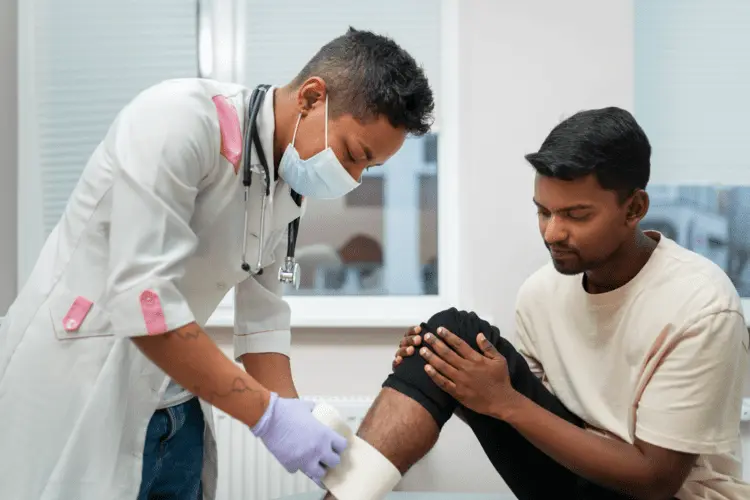
A medical visit gives you a record that shows how you felt close to the time of the crash.
Keep everything from that visit and every visit after it. This includes emergency room notes, diagnosis records, referrals, test results, prescriptions, and physical therapy notes. Save the bills too. Insurance papers, provider invoices, and receipts for medicine or medical supplies should all go in one folder so they are easy to find later.
Save Everything From Your Own Life Too
Medical records are important, but they are not the only proof you may need. If you missed work, save pay stubs, employer letters, or anything else that shows your normal income and the time you lost.
Text messages, emails, or written notes about how the injury has affected your daily life can also support the non-economic side of your claim. Dates, symptoms, things you could not do, how your sleep was affected. A simple running note in your phone goes a long way when it comes time to put the full picture together.
Do Not Wait to Start Organizing
Evidence does not get easier to collect as time passes. Memories fade, witnesses become unreachable, and physical conditions change. The work you put in during the first few days after a crash is some of the most useful work your case will benefit from.