How Much Do Dashcams Actually Help You if You Get Into a Car Accident?
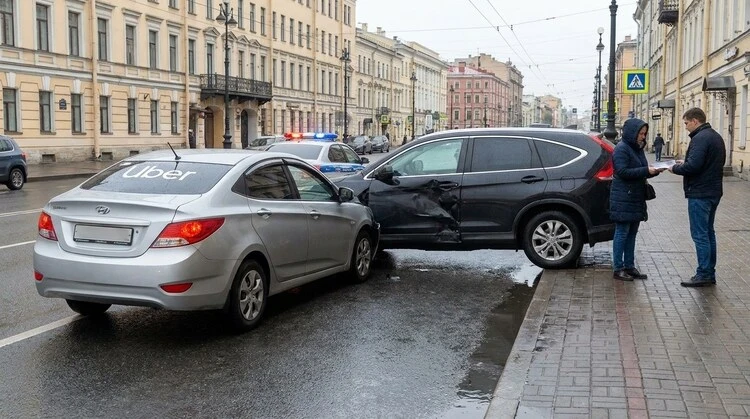
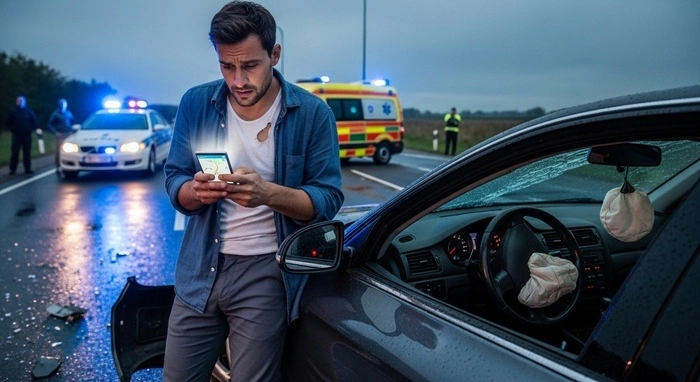
Most people assume that after a car accident, the facts will naturally become obvious. Unfortunately, accident scenes are usually far more confusing than people expect. Drivers are stressed, witnesses are distracted, and even small crashes can quickly turn into arguments over details that nobody remembers clearly.
This growing uncertainty is one reason dashcams have become so popular over the past few years. The global dashboard camera market was worth over $4.56 billion back in 2024. It also enjoys a healthy CAGR of 21.20%, which puts it on track to reach a $29.07 billion valuation by 2034. This market growth is being supported in large part by insurance companies adopting dashcam footage for faster and more accurate claim processing.
As a result, drivers are starting to view dashcams less like optional gadgets and more like a form of protection. That said, how effective and useful are they really? Let’s find out.
They Remove Human Memory From the Equation
One of the biggest problems after a car accident is that human memory becomes unreliable very quickly. Stress changes how people process information, especially during sudden and frightening situations. Drivers often focus on one immediate danger while missing other important details happening around them. Thus, even honest witnesses can accidentally create inaccurate versions of events without realizing it.
One article published in Nature notes that a witness’s confidence in their memory does not always correlate with accuracy. According to John Wixted, a memory researcher at the University of California, “Our false memories feel true.” The fact that there are over 375 cases where someone was exonerated after convictions from eyewitness identifications backs this up.
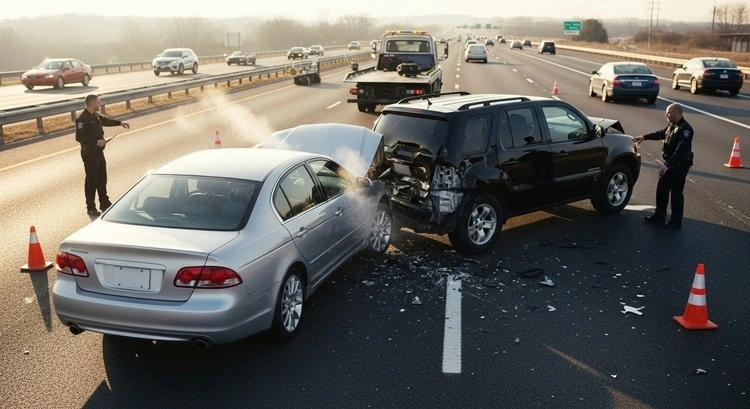
This factor becomes especially important during smaller accidents where there is no dramatic impact or obvious evidence. Many disputes involve subtle moments such as drifting between lanes, failing to signal properly, rolling through stop signs, or braking too late. These are exactly the kinds of situations where people remember events differently afterward.
Police reports also become easier to support when there is visual evidence available. Of course, the footage won’t always be perfect. Camera angles, nighttime glare, weather conditions, and poor video quality can still leave room for disagreement in certain cases. However, it’s still better than nothing.
Dashcams Can Protect You From Deliberate Harm
Not every suspicious accident happens by chance. Some collisions are deliberately staged in order to pressure innocent drivers into fraudulent insurance claims. These situations can become especially dangerous because scammers often rely on confusion and emotional panic immediately after the crash.
Back in 2024, dashcam footage showed Ashpia Natasha, a young woman from Queens, narrowly avoiding an insurance scam. A silver Honda cut her off, stopped abruptly, then reversed into her car. Then, its passengers acted suspiciously, covering the rear window, faking injuries, and recording damage.
Natasha’s dashcam captured the entire staged accident, including the suspects’ behavior and their eventual departure. Given that scams like these are often willful acts against you, it’s often a good idea to take out a personal injury protection policy.
Why? Because insurance companies can be unpredictable and frustrating to deal with. Sometimes, even though you’re the victim, the things you say to the other party can get you in trouble. This is why Freeman Law Firm recommends never apologizing or making statements about fault at the scene.
This can be hard because it’s natural to want to say, “I’m so sorry, are you okay?” out of general human concern. However, this can work against you, as it implies you caused the harm. Ultimately, having the double protection of dashcam footage + personal injury protection makes for a pretty good liability package.
Dashcams Do Bring Some Security Risks
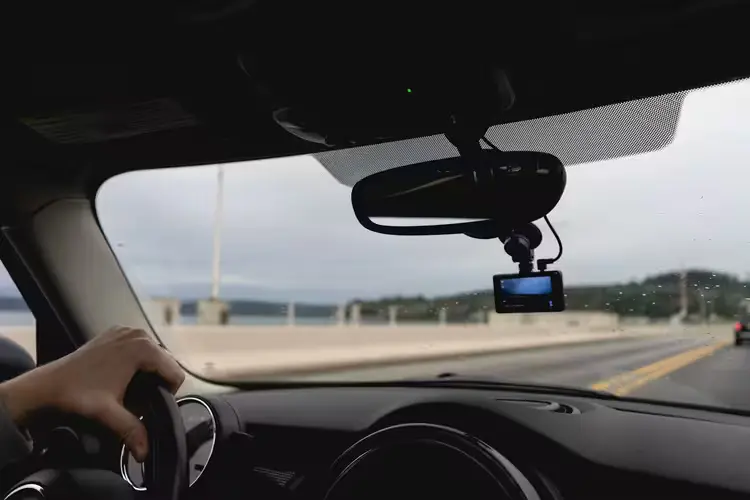
Most people think about dashcams as simple recording devices, but modern models function more like connected surveillance systems. Many include GPS tracking, cloud storage, audio recording, Wi-Fi connectivity, parking surveillance, and smartphone integration. While these features can be useful after an accident, they also create privacy and cybersecurity concerns that many drivers overlook completely.
If you’re someone who takes privacy seriously, you may want to search for models with good security. This is because researchers have found flaws in more than two dozen car dashcam models that allow hackers to access GPS data, in-car conversations, video footage, and driving routes in just minutes. Hackers can apparently compromise dashcams while parked nearby or even during a drive-through stop.
George Chen, one of the researchers, discovered the vulnerability while connecting to his own dashcam. He realized that he could easily access over 32 GB of video footage, driving routes, and recorded conversations from a car parked next to him.
As you can imagine, this is a relatively serious security risk. Unsecured footage may reveal where you live, where your children go to school, and the routes you travel every day. A dashcam can absolutely protect someone after a crash, but buying the cheapest available model without considering security is probably not a good idea.
Frequently Asked Questions
Yes, dashcam footage can often be used in court if it clearly shows what happened during the accident. Judges, attorneys, and insurance companies may use it to verify timelines, driver behavior, traffic signals, and road conditions. However, footage quality and local laws can still affect how useful it becomes.
Many modern dashcams include a parking mode that keeps recording while your car is parked. Some activate only when they detect motion or impact nearby. This can help capture hit-and-runs, vandalism, or attempted break-ins, although constant recording may require a dedicated battery setup.
Cloud storage is not essential, but it can be very useful. It automatically backs up footage, so important clips are not lost if the dashcam is damaged or stolen after an accident. Still, many drivers are perfectly fine using local SD card storage for everyday recording. Just ensure you pick a relatively large capacity if you don’t want to be copying files and clearing space often.
Key Numbers & Facts at a Glance
| Dashcam market 2024 valuation | $4.56 billion |
| Dashcam projected 2034 valuation | $29.07 billion |
| Number of false convictions from eyewitness identification | 375 cases |
| Potential risks from dashcams | Stolen video clips, GPS data, in-car conversations, etc |
All things considered, dashcams can be extremely useful after a car accident, and their value comes from the practical evidence provided. They help reduce confusion, strengthen insurance claims, and provide visual records during situations where memories become unreliable. In some cases, they can even stop fraudulent claims from succeeding, as discussed above.
At the same time, relying on a dashcam alone can create a false sense of security if drivers never think about footage quality, data privacy, or how insurance claims actually unfold after a crash. A camera can document events, but it cannot automatically prevent complications, delays, or disagreements from happening afterward.