Does Delaying Auto Body Repairs Hurt Your Insurance Claim in 2026?
Car accidents throw everything off. Between the stress, the disruption to your routine, and the mountain of paperwork, it’s tempting to put off dealing with minor dents or cosmetic damage.
But here’s the problem: modern vehicles are incredibly complex machines. A simple scuff on a bumper cover can conceal thousands of dollars in hidden sensor or mechanical damage. What feels like a harmless delay often triggers a chain of mechanical failures and insurance disputes.
The Hidden Costs of Waiting on Auto Body Repairs
How Minor Damage Becomes Major
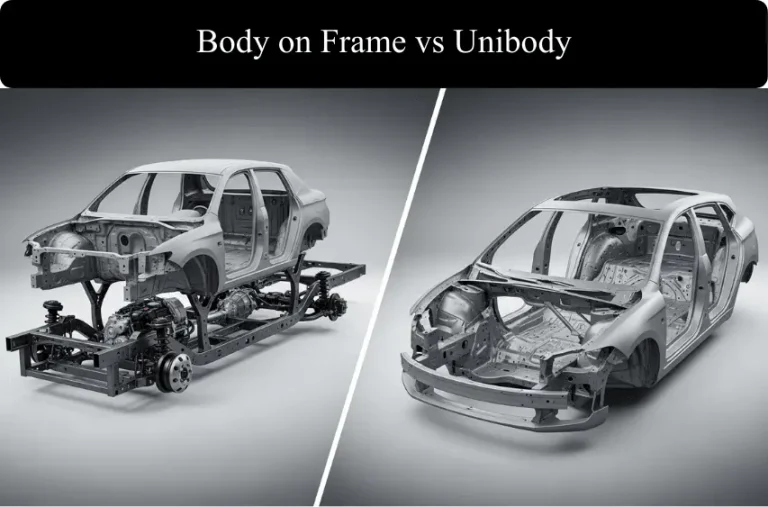
Modern cars are engineered to absorb impact through specific crumple zones. Even a minor collision distributes force across the structure. Delayed repairs can cause frames to shift and put dangerous strain on critical parts like control arms and wheel bearings as you keep driving. You also risk missing hidden frame damage that compromises your safety later.
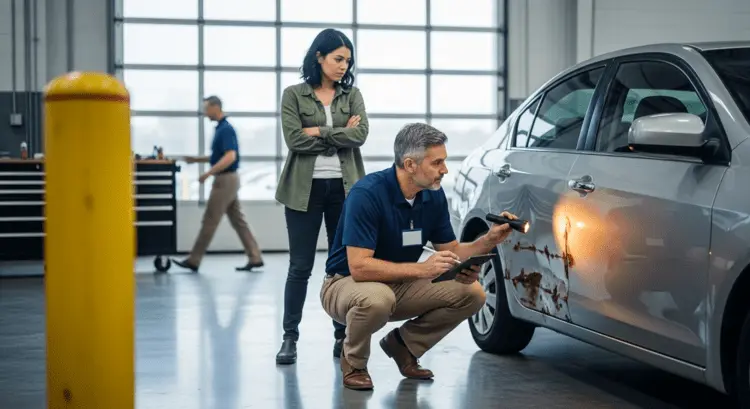
Cosmetic issues turn into mechanical nightmares faster than you’d think. A simple dent left unattended exposes the vehicle to the elements, leading to misalignment and corrosion over time. What starts as a surface-level problem quickly becomes an intensive structural repair.
Immediate Action vs. Delayed Repair
| Factor | Immediate Repair | Delayed Repair |
|---|---|---|
| Safety | Fully restored crash performance; properly calibrated airbag sensors | Compromised crumple zones; risk of delayed airbag deployment |
| Insurance coverage | High likelihood of full coverage under the original claim | High risk of denial due to “pre-existing” damage arguments |
| Repair complexity | Standard part replacement, blueprinting, and paint matching | Intensive labor for secondary rust, frame shifts, and worn bearings |
| Resale value | Maintained value with a complete repair history | Depreciated value from unresolved damage and incomplete records |
How Insurance Adjusters Scrutinize Delayed Claims
The “Pre-Existing Damage” Argument
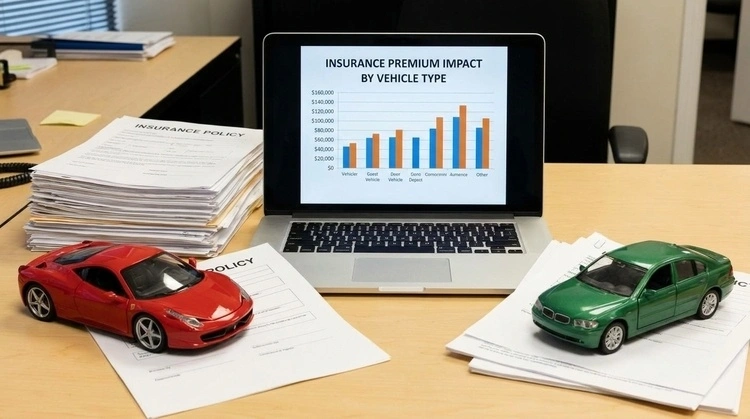
The auto insurance landscape is shifting fast. Repair costs keep rising due to advanced vehicle technology, and consumers are adjusting their coverage in response. That means insurance adjusters are scrutinizing claims more closely than ever.
When you wait weeks or months to report damage or get an estimate, adjusters will argue that the damage happened after the original covered incident. Sound familiar?
Supplemental documentation already delays approvals. Don’t hand insurers an easy reason to deny your claim. Get your estimate quickly and demand proper OEM parts upfront, rather than scrambling to secure coverage months down the line.
What Triggers a Claim Investigation?
Here are the red flags adjusters look for when reviewing delayed claims:
- Rust or corrosion in a dent: This signals to an adjuster that the damage is old, not fresh from a recent accident.
- Inconsistent damage descriptions: If the physical damage involves a degraded wheel bearing but the reported accident was a low-speed fender bender months ago, adjusters will flag it.
- Gaps in reporting timelines: Waiting weeks to get an initial estimate can violate standard policy clauses requiring prompt damage reporting.
- Accumulated wear and tear: Adjusters won’t pay for damage that resulted from driving a compromised vehicle after the accident.
The Ripple Effect: Property Damage and Injury Claims
Why Vehicle Damage Reports Affect Medical Claims
Gaps in property damage reporting don’t just hurt your car’s value; they also hurt your insurance coverage. Insurance companies regularly use minor or delayed vehicle damage reports to argue that the impact wasn’t severe enough to cause physical injuries.
Take a high-traffic area like Erie County, New York. There, traffic injuries result in an average of 426 hospitalizations per year. Emergency departments treat about 442 people every single month for accident-related injuries. The numbers are staggering.
While getting your vehicle physically restored is critical, understanding the legal side of an accident matters just as much. Insurance providers often use delays in property damage repairs to minimize payouts for physical injuries. So if you’re dealing with the physical aftermath of a collision, early legal intervention is just as important as an early mechanical inspection.
Victims navigating complex claims in the Williamsville area often turn to attorneys such as the Law Offices of Jeffrey E. Marion. As a trusted personal injury lawyer in Williamsville, Attorney Jeffrey E. Marion brings years of experience handling injury claims of all sizes. He understands exactly how adjusters try to shift blame or pressure injured people into accepting undervalued settlements.
Strong legal advocacy makes a real difference. Collision experts document the structural force of an impact to repair your vehicle safely. A seasoned personal injury attorney uses that same documentation to prove liability and fight for fair compensation, covering medical bills, lost income, and long-term care needs.
Protect Your Vehicle and Your Finances
Acting quickly preserves your vehicle’s safety, protects your wallet, and keeps insurance companies from dodging their responsibilities. Ignoring damage only makes your repair bill bigger later.
Not sure what shape your vehicle is in after a collision? Don’t give the insurance company an excuse to deny your claim. Schedule a free, no-obligation estimate with Neill Auto Body and get the repair process started before it’s too late.