The Real Cost of Ignoring Car Problems in Eden Prairie
When a Small Problem Doesn’t Feel Urgent
Most car problems don’t start with a dramatic breakdown. They begin quietly.
Maybe you hear a faint squeaking sound when you press the brakes. Maybe a small warning light appears on the dashboard. Or perhaps the steering wheel vibrates just a little more than it used to.
It’s easy to brush these things off. Life gets busy, and if the car is still running, it can feel like the problem isn’t urgent.
So you tell yourself you’ll deal with it later.
Next week.
Next month.
Maybe when it gets worse.
But here’s the truth many drivers eventually learn the hard way. Small car problems rarely stay small.
And ignoring them often leads to bigger repairs, bigger bills, and sometimes serious safety risks.
Small Car Problems Rarely Stay Small
Cars are complex machines made up of systems that work closely together. When one component begins to wear out or fail, it often puts extra strain on other parts of the vehicle.
Think about brake pads, for example.
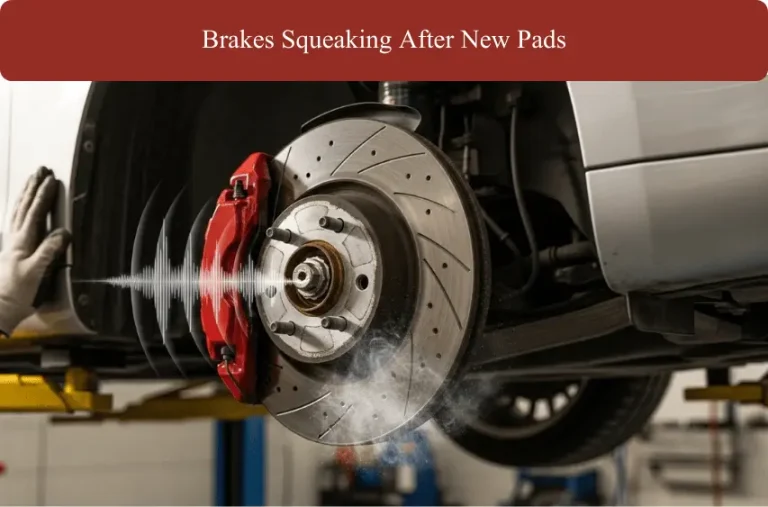
Brake pads are designed to wear down over time. Replacing them is usually a routine and relatively inexpensive repair. But when worn pads are ignored for too long, they start grinding against the brake rotors.
Suddenly, what could have been a simple fix turns into a more expensive repair involving new rotors, possibly calipers, and more labor.
The same thing can happen with engine oil. A small leak might not seem like a big deal at first. But if the engine runs low on oil for too long, internal components begin to wear out faster. Over time, that small leak can contribute to serious engine damage.
It’s a domino effect.
One small issue leads to another, then another, until the repair becomes far more complicated than it needed to be.
The Financial Cost of Waiting Too Long
One of the biggest reasons people delay car repairs is cost.
Ironically, waiting often makes things far more expensive.
A minor repair today might cost a fraction of what it would cost if the issue spreads. Let’s look at a few common examples.
A simple brake pad replacement might cost a few hundred dollars. But if the rotors are damaged because the pads wore down too far, the repair bill can quickly double or even triple.
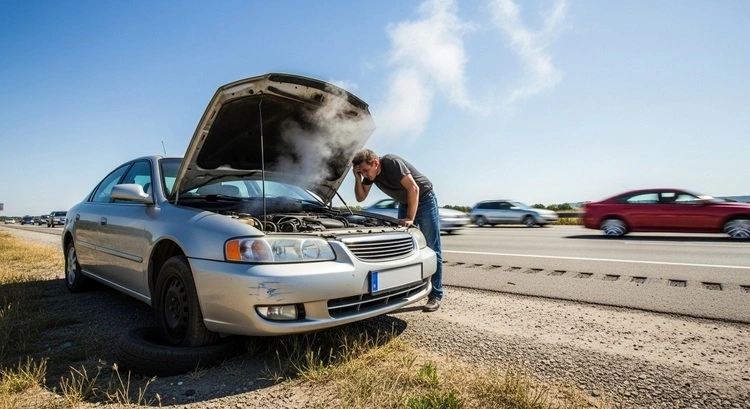
A small coolant leak might only require a hose replacement or a clamp adjustment. But if the engine overheats because the leak wasn’t fixed, the damage could involve the radiator, water pump, or even the engine itself.
Then there’s tire alignment.
Driving with poor alignment might seem harmless at first. The car still moves. It still gets you where you need to go. But over time, uneven alignment wears down tires much faster. That means replacing tires sooner than expected, and potentially dealing with suspension damage as well.
So the real question becomes this. Is waiting really saving money?
Or is it just delaying a bigger expense?
Safety Risks Drivers Often Overlook
Cost isn’t the only concern when car problems are ignored. Safety is just as important.
Some vehicle issues can directly affect how safely your car operates on the road.
Take brakes again as an example. If the braking system is worn or damaged, the vehicle may take longer to stop. In an emergency situation, even a small delay in braking response can make a huge difference.
Tires are another major safety factor. Tires that are worn unevenly or underinflated are more prone to blowouts, especially at highway speeds.
Steering issues can also creep in gradually. Maybe the car drifts slightly to one side, or the steering wheel feels looser than it used to. These changes might seem minor at first, but they can affect how well you control the vehicle.
Have you ever told yourself, “It still drives fine”?
Many drivers do.
But sometimes those subtle changes are early warning signs of something more serious developing under the hood.
The Stress and Inconvenience of Unexpected Breakdowns
There’s another hidden cost that people don’t always think about when delaying repairs.
Stress.
Car breakdowns almost never happen at convenient times.
They don’t wait for a quiet Saturday afternoon when you have nothing else planned. Instead, they show up during the morning commute, in the middle of a busy week, or when you’re already running late.
Suddenly you’re dealing with towing services, repair scheduling, and rearranging your entire day.
Maybe you miss work.
Maybe you cancel plans.
Maybe you’re stuck on the side of the road waiting for help.
All because of a problem that might have been manageable earlier.
Preventive maintenance and early repairs often reduce the chances of these frustrating situations. It’s not about eliminating every possible issue, because cars will always require maintenance. But addressing concerns early helps prevent many of the bigger surprises.
Why Local Drivers Pay Attention to Early Warning Signs
Over time, many experienced drivers learn to recognize the early signs that something might be wrong.
They listen for unusual noises. They notice when a dashboard light appears. They pay attention to small changes in how the car drives.
These signals are the car’s way of saying something needs attention.
And while it might be tempting to ignore them, addressing them sooner rather than later often saves a lot of trouble.
In fact, many drivers who have dealt with repeated vehicle issues eventually realize how important it is to take action early and seek car repair in Eden Prairie before small concerns turn into major mechanical problems.
A quick inspection today can sometimes prevent a much larger repair tomorrow.
Common Warning Signs You Should Never Ignore
Some vehicle warning signs are easy to overlook, especially if they don’t immediately affect how the car runs.
But certain signals should always be taken seriously.
The check engine light is one of the most obvious. While it doesn’t always indicate a major issue, it’s a sign that the vehicle’s onboard system has detected something unusual.
Strange sounds are another clue.
Grinding brakes, squealing belts, knocking from the engine, or rattling under the car are all signs that something needs attention.
Vibrations while driving can also indicate issues with tires, suspension components, or alignment.
Fluid leaks are another common red flag. If you notice puddles or stains under the car after it’s been parked, it’s worth investigating. Oil, coolant, brake fluid, and transmission fluid all play critical roles in keeping the vehicle running smoothly.
Even unusual smells can signal problems. A burning odor, for instance, might indicate overheating components or electrical issues.
If something feels off, there’s a good chance your car is trying to tell you something.
Preventive Maintenance Saves More Than Money
Preventive maintenance often gets overlooked because it doesn’t feel urgent.
Oil changes, tire rotations, brake inspections, and fluid checks might seem routine. But these services play a major role in keeping a vehicle running safely and efficiently.
Regular maintenance helps catch small problems early, before they grow into larger repairs.
It also helps extend the life of the vehicle. Engines run smoother, tires last longer, and critical components stay in better condition.
There’s also peace of mind that comes with knowing your car is being cared for properly.
When your vehicle is well-maintained, you’re less likely to worry about unexpected breakdowns or costly surprises.
And that confidence makes every drive a little easier.
Fixing Problems Early Is Always the Cheaper Choice
At the end of the day, car problems rarely disappear on their own.
They usually get worse with time.
A small noise today might turn into a larger repair next month. A simple fix now could prevent a complicated mechanical issue later.
That’s why paying attention to early warning signs matters so much.
It saves money.
It protects your safety.
And it helps you avoid the stress of unexpected breakdowns.
So the next time your car starts making a strange sound or a warning light appears on the dashboard, take a moment to consider what it might mean.
Because sometimes the smallest problems are the ones worth fixing first.