Firestone Oil Change Price: The Complete Guide 2026
Owning a car comes with a lot of responsibility, but few tasks are as important as the oil change. It is the single most effective way to keep your vehicle running smoothly for years. While there are dozens of places to get this done, Firestone Complete Auto Care has built a reputation that goes beyond just a quick “drain and fill.”
This guide breaks down exactly what you get when you visit Firestone, how their pricing works, and which service is right for your specific vehicle.
Why Regular Oil Changes Are Critical for Engine Health
Your engine is a complex machine with hundreds of moving parts working at high speeds and extreme temperatures. Engine oil is the only thing standing between those metal parts and catastrophic damage. Its primary job is lubrication. Without a steady flow of clean oil, pistons and valves would grind against each other, creating massive amounts of friction.
That friction creates heat. While your coolant system manages the engine’s overall temperature, oil pulls heat away from the deepest, hottest parts of the engine block. Over time, however, heat breaks the oil down. It loses its viscosity—its ability to flow and coat parts effectively.
When you skip an oil change, that degraded oil turns into sludge. This thick, gel-like substance blocks oil passages and starves your engine of lubrication. The result? Your engine has to work harder to produce the same amount of power. This kills your fuel efficiency and forces you to spend more at the gas pump. In the worst-case scenario, neglected oil leads to total engine seizure, turning a routine maintenance item into a repair bill worth thousands of dollars.
Why Choose Firestone Complete Auto Care?
With so many quick-lube shops on every corner, you might wonder why you should book an appointment at Firestone. The main difference lies in the level of expertise.
Firestone has been a staple in the American automotive industry for over 90 years. Now backed by Bridgestone, they maintain rigorous standards for their staff. When you pull into a Firestone bay, your car is serviced by ASE-certified technicians. These aren’t just entry-level employees trained only to unscrew a drain plug; they are mechanics trained to understand the entire vehicle.
This expertise matters because Firestone looks at the “big picture.” They prioritize transparency. If a technician spots a fraying belt or a leaking hose during your oil change, they let you know immediately. You also get the benefit of nationwide support. Because Firestone has locations across the entire United States, your service records travel with you. If you get an oil change in Florida and have an issue in Texas, the local shop can pull up your history and honor their work guarantees.
Detailed Breakdown of Firestone Oil Change Packages
Firestone doesn’t offer a “one size fits all” service. Modern engines have different needs than cars built twenty years ago. To match this, they offer distinct oil change tiers. These packages typically feature high-quality oils like Pennzoil or Shell, alongside Firestone’s own trusted brands.

Conventional Oil Change
This is the standard, entry-level option. It is designed primarily for older vehicles with simple engine designs or for drivers who stick to a strict 3,000-mile maintenance schedule.
Conventional oil is derived directly from crude oil. It provides adequate protection for normal driving conditions—think daily commutes with light traffic and moderate weather. While it flows well and keeps the engine clean, it breaks down faster than modern synthetic options. If you drive a budget-friendly used car and want to keep maintenance costs low, this tier gets the job done reliably.
High-Mileage Oil Change
Once your odometer hits the 75,000-mile mark, your engine enters a new phase of life. Seals begin to shrink and harden, and internal gaps may widen slightly due to years of wear.
Firestone’s High-Mileage service uses oil specifically formulated to address these aging issues. This oil contains special seal conditioners that help swell gaskets, which can stop minor leaks before they start. It also has a higher viscosity and extra anti-wear additives to reduce oil burn-off. If you have noticed your older car consuming a bit of oil between changes, switching to this tier is a smart move to extend the vehicle’s lifespan.
Synthetic Blend Oil Change
For many drivers, a synthetic blend is the perfect middle ground. This option mixes high-quality synthetic oil with conventional base oil. The result is a fluid that offers much better resistance to oxidation and low-temperature sludge than standard oil, but without the premium price tag of a full synthetic.
This blend is an excellent choice for SUVs, light trucks, and vehicles that occasionally carry heavier loads. If you do a mix of city driving and highway cruising, this oil provides the extra layer of protection your engine needs to handle temperature spikes. It strikes a balance between performance and affordability, making it one of the most popular choices at Firestone.
Full Synthetic Oil Change
If you want the absolute best protection for your vehicle, full synthetic is the answer. Unlike conventional oil, which is refined from crude, synthetic oil is chemically engineered molecule by molecule. This creates a lubricant with uniform molecular size, which significantly reduces internal friction.
Full synthetic oil is virtually mandatory for modern vehicles with turbocharged engines or high-performance specs. It flows instantly in freezing temperatures and refuses to break down in extreme heat. While it costs more upfront, it lasts longer—often allowing you to drive 7,500 to 10,000 miles between services—and keeps your engine cleaner than any other option.
Beyond the Oil: What Is Included in the Standard Service?
One of the biggest advantages of choosing Firestone over a quick-lube drive-thru is the “Complete Auto Care” promise. You aren’t just paying for fresh oil; you are paying for a professional health check of your entire vehicle.
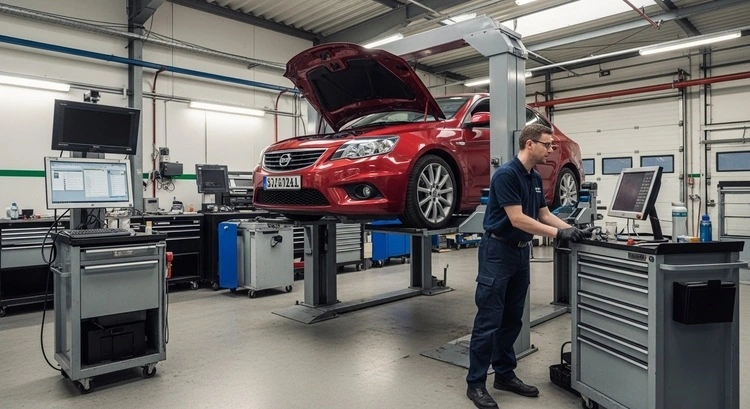
Every oil change includes a 19-point courtesy check. While the oil drains, the technician visually inspects key components like your brake pads, belts, hoses, and air filters. They look for cracking, leaks, or uneven wear that could leave you stranded later.
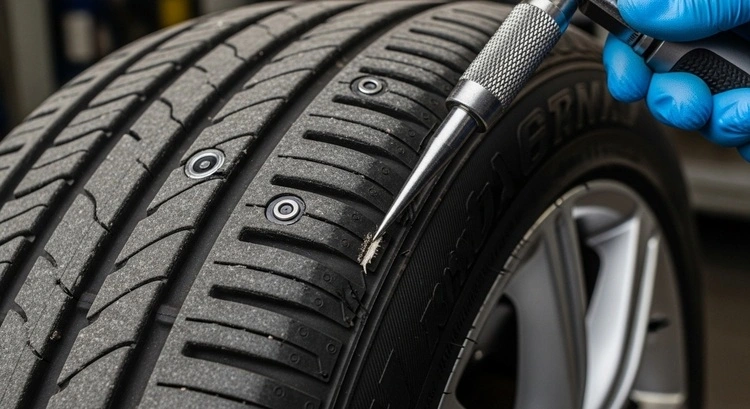
The service also covers essential fluid top-offs. They check and refill your windshield washer fluid, coolant, power steering fluid, and transmission fluid if needed. Furthermore, they address your tires by checking the tread depth and adjusting the air pressure to the manufacturer’s specifications. Finally, they perform an electronic battery test to ensure your car will start reliably the next time you turn the key.
Firestone Oil Change Prices and Cost Analysis
Understanding the bill is just as important as the service itself. Firestone’s pricing is competitive, but it varies based on the oil you choose and your location.
Estimated Price Ranges by Service Tier
- Conventional: $30 – $45
- Synthetic Blend: $40 – $65
- High Mileage: $60 – $80
- Full Synthetic: $70 – $100
Factors That Affect Your Final Bill
Several variables can shift these prices. First, the standard price usually covers up to 5 quarts of oil. If you drive a large truck or SUV that requires more, you will pay a small fee for the extra quarts. Second, some specialized vehicles require cartridge-style oil filters rather than standard spin-on filters, which can increase the parts cost.
Market Value Comparison
Smart vehicle owners often compare their options before booking an appointment. You have to weigh the value of a comprehensive inspection against the speed of other shops. For example, you might look up how much is an oil change at Valvoline to see if the convenience of their stay-in-your-car service justifies the cost difference. While quick-lube places focus on speed, Firestone focuses on the long-term health of the car. If you want a certified mechanic to get eyes on your brakes and battery while the hood is up, the value at Firestone often outweighs the time saved elsewhere.
How to Maximize Savings: Coupons and Promotions
Let’s be honest: nobody enjoys paying for car maintenance. However, Firestone makes it fairly easy to lower that final bill if you know where to look. Before you head to the shop, check their official website or mobile app. They almost always have digital coupons available.
Common deals include direct discounts—often $10 to $20 off—or “bundle” offers. A popular choice is the oil change and tire rotation bundle. Since your tires need rotating roughly every 6,000 miles anyway, combining these services saves you both money and a second trip to the mechanic.
Additionally, Firestone offers a dedicated credit card. If you are facing a tighter budget, this card often provides exclusive rebates or promotional financing for larger repairs. It’s worth asking the front desk associate if there are any unadvertised specials or price-matching policies for local competitor coupons.
Recommended Maintenance Intervals
For decades, the “golden rule” was to change your oil every 3,000 miles. Technology has moved on, and that rule is largely outdated for modern cars. Today’s engines are built with tighter tolerances, and modern oil chemistry is far more resilient.
So, when should you actually schedule your visit?
- Conventional Oil: Every 3,000 to 5,000 miles.
- Synthetic Blend: Every 5,000 to 7,500 miles.
- Full Synthetic: Every 7,500 to 10,000 miles.
Firestone technicians will stick a reminder sticker on your windshield, but you should always treat your owner’s manual as the ultimate authority. If you drive in “severe” conditions—like constant stop-and-go city traffic, extreme heat, or while towing a trailer—you will need to change your oil more frequently than the standard recommendation.
The Customer Experience: Logistics and Tips
Time is valuable, so knowing how the process works can save you a headache. A typical oil change at Firestone takes between 30 and 45 minutes. However, this depends entirely on how busy the shop is.
Weekends and evenings are prime time. If you just show up as a walk-in during these hours, you might wait significantly longer. The best strategy is to book an appointment online. This reserves your bay and helps the technicians prepare for your specific vehicle.
Pro Tip: If you are getting your tires rotated along with your oil change, make sure you leave your wheel lock key (if your car has one) on the passenger seat. This simple step prevents delays once your car is up on the lift.
FAQs
Yes. Technicians will reset the “Maintenance Required” or “Oil Life” light on your dashboard before handing the keys back to you.
Policies vary by location. Some managers allow you to bring your own preferred brand of oil and filter, charging you only for labor and disposal. You must call your local shop ahead of time to confirm if they allow this.
Absolutely. Firestone is committed to environmental responsibility. They collect and recycle the used motor oil and old filters, ensuring they don’t end up polluting landfills or waterways.
No. Under the Magnuson-Moss Warranty Act, you are free to have your vehicle serviced by any qualified mechanic. As long as you use the correct oil grade and keep your receipts, your manufacturer’s warranty remains fully intact.
Conclusion
Taking care of your car doesn’t have to be complicated. Choosing Firestone Complete Auto Care for your oil change is an investment in peace of mind. You aren’t just getting fresh oil; you are getting a certified expert who inspects your brakes, battery, and tires to ensure you are safe on the road.
Whether you drive a high-mileage commuter car or a brand-new SUV, Firestone offers a service tier that fits your engine’s needs and your budget. By staying on top of this simple maintenance task, you ensure your engine runs cleaner, cooler, and longer, saving you from costly surprises down the road.