Exploring Car Loan Choices for Replacing Your Vehicle After an Accident
Replacing a vehicle after an accident can be a daunting task. Understanding car loan options is crucial in this process to make informed financial decisions. Navigating the complexities of financing can help you secure the best deal for your situation.
In the aftermath of an accident, replacing your vehicle becomes a priority, particularly if it was essential for daily activities. Understanding the available car loan options is crucial for anyone looking to finance a new or used vehicle. Whether it’s choosing between new or used car loans or integrating insurance payouts, knowing your options can significantly impact your financial outcome. With a wide variety of auto loans for used cars available, selecting the right one requires careful consideration and planning.
Different types of car loans explained
When considering purchasing a replacement vehicle, understanding the different types of car loans is essential. Typically, you will encounter two main categories: new car loans and used car loans. New car loans often come with lower interest rates due to the higher value and longer lifespan of new vehicles. In contrast, used car loans might have slightly higher rates but can offer more affordable overall costs due to lower vehicle prices.
The choice between these options depends on several factors, including personal preferences and financial considerations. Used car loans are popular among those looking to minimize expenditure, as they allow access to a wide range of vehicles at reduced prices.
On the other hand, new car loans might be preferable if you are focused on lower interest rates and are interested in vehicles with the latest features and warranties.
Beyond the traditional new and used car loan categories, borrowers should also be aware of specialized financing options that may better suit their circumstances. Refinancing loans allow vehicle owners to restructure existing debt with potentially better terms, while lease buyout loans enable those ending a lease to purchase their vehicle. Additionally, some lenders offer bad credit auto loans designed specifically for individuals with less-than-perfect credit histories, though these typically carry higher interest rates.
Understanding these alternative loan structures can open up possibilities you might not have initially considered, especially when time is of the essence following an accident. Taking the time to compare multiple loan types and their respective terms can result in significant savings over the life of the loan and ensure you select financing that aligns with your long-term financial goals.
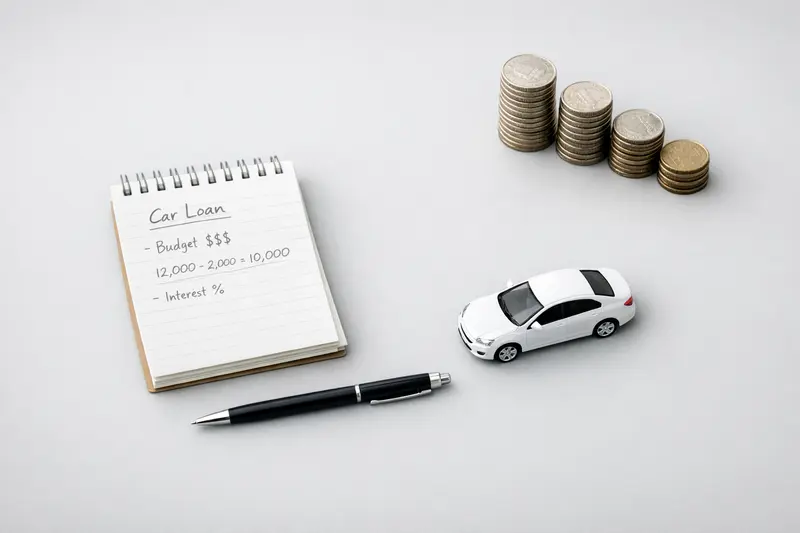
Another important consideration when evaluating car loan types is the loan term length, which can significantly affect your monthly payments and total interest paid over time. Short-term loans, typically ranging from 24 to 48 months, result in higher monthly payments but substantially less interest paid overall. Conversely, longer-term loans spanning 60 to 84 months offer lower monthly payments that may fit more comfortably within your budget, but you’ll ultimately pay more in interest charges.
Additionally, longer loan terms increase the risk of owing more than the vehicle’s worth, a situation known as being “underwater” or “upside-down” on your loan. This becomes particularly relevant when replacing a vehicle after an accident, as you want to avoid finding yourself in a similar predicament should another incident occur. Carefully calculating your budget and considering how long you plan to keep the vehicle can help you determine the optimal loan term that balances affordability with long-term financial prudence.
Integrating insurance payouts with financing
One significant aspect of replacing a vehicle after an accident is how insurance payouts can be utilized alongside financing options. The insurance payout typically covers part of the cost for replacing your damaged vehicle. However, this amount may not fully cover the cost of a new or even used vehicle. By combining this
Strategically coordinating your insurance settlement with your financing plan requires careful timing and documentation. It’s advisable to obtain a clear understanding of your insurance payout amount before committing to a specific vehicle or loan agreement. Some dealerships and lenders are experienced in working with insurance claims and can structure financing that accounts for delayed payouts or partial settlements.
You may also want to consider gap insurance for your replacement vehicle, which covers the difference between what you owe on your loan and the vehicle’s actual cash value in case of another total loss. Keep detailed records of all communications with your insurance company, as this documentation may be required by lenders during the approval process. By proactively managing both the insurance and financing aspects simultaneously, you can avoid gaps in transportation and secure more favorable loan terms that reflect your complete financial picture.