How Philadelphia Weather Affects The Value Of An Old Car
In Philadelphia, the weather does more than shape the seasons. It also affects how long a vehicle holds its value. Rain, snow, road salt, summer heat, and freezing winter mornings all leave marks on older cars over time. Even if a vehicle still runs, years of exposure can weaken parts, damage the exterior, and make buyers more cautious. For owners of aging vehicles, local weather often plays a major role in how quickly a car loses appeal.
Road Salt And Winter Moisture Speed Up Rust
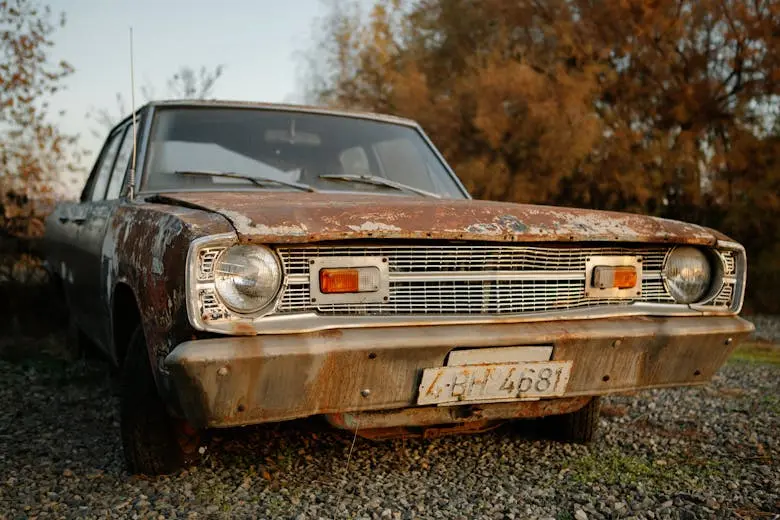
In a city with cold winters, snow and slush are not just temporary inconveniences. They can also lead to lasting damage, especially in older vehicles. Once road salt sticks to the underbody, wheel wells, and lower panels, corrosion can begin to spread. As rust moves beyond surface damage and starts affecting the structure, many owners choose to find a junk car buyer in Philadelphia rather than take on heavier repair costs.
Rust affects more than appearance. It can weaken the frame, brake lines, exhaust system, and suspension components, making the vehicle harder to maintain and less appealing to buyers. In older cars, corrosion can reduce value quickly because even a running vehicle may come with repair concerns that outweigh what it is worth.
Rain And Humidity Create Hidden Wear
Philadelphia’s weather is not only tough in winter. Rain and moisture throughout the year can slowly affect an old car in ways that are easy to miss at first. Water can slip into door seals, windows, trunks, and interiors, especially when rubber parts are worn or the body already has minor damage. Over time, that moisture can lead to stains, mildew, and electrical trouble.
Humidity also contributes to gradual wear in metal parts, wiring connections, and interior materials. A buyer may not notice all of that immediately, but warning signs often appear during inspection. A musty smell, damaged seals, or light corrosion under the hood can make an older car seem like a bigger risk, which usually lowers its value.
Summer Heat Wears Out More Than The Paint
Hot summers can be just as hard on a car as snowy winters. In Philadelphia, long stretches of sun and heat can fade paint, crack dashboards, dry out seals, and wear down interior materials. On older vehicles, that damage often stands out more because age has already made many parts weaker and more brittle.
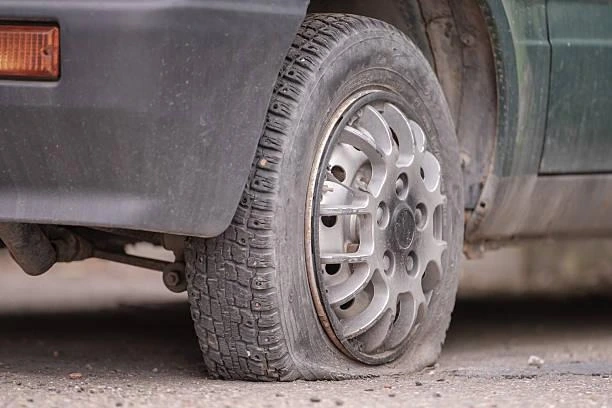
Heat also puts pressure on batteries, cooling systems, and tires. A car that overheats easily or struggles with weak air conditioning tends to lose appeal fast during warmer months. Buyers often read heat-related wear as a sign of future expenses, and that expectation can bring the price down even before negotiations begin.
Freeze And Thaw Cycles Add Mechanical Stress
One of the less obvious effects of Philadelphia’s weather is the repeated freeze-thaw cycle during colder months. When temperatures rise and fall, materials expand and contract. Over time, that constant shift can strain hoses, belts, seals, and older plastic parts. Small weaknesses that seem minor at first can become more serious after several winters.
Road conditions also get worse when freezing weather breaks down pavement. Potholes become more common, and rough streets put added stress on suspension parts, steering components, and wheel alignment. Even when the damage builds slowly, it still affects value because buyers often notice how a car feels on the road before they decide what it is worth.
Weather Damage Changes How Buyers Judge Risk
People shopping for an older car are not only checking the mileage or model year. They are also trying to judge how much wear the vehicle has taken on over time. In a place like Philadelphia, the weather adds another layer of concern. Buyers know that years of exposure to salt, rain, heat, and freezing roads can lead to hidden problems.
That changes the way they think about price. Instead of paying for what the car used to be, they often base their offer on what might need repair next. A rusty underside, faded exterior, damp interior, or weak battery all suggest future costs. Weather damage does not just age a car physically. It also makes buyers more cautious, and that directly affects resale value.
Time And Exposure Can Lower Value Faster Than Expected
Every old car loses value with age, but the weather can make that decline happen faster. In Philadelphia, years of winter salt, wet conditions, summer sun, and rough roads can create wear that goes beyond normal use. What looks minor on the surface may point to deeper problems that buyers and mechanics know to watch for.
That is why owners of older vehicles need to consider more than whether the car still starts and runs. If local weather has already left visible or mechanical damage behind, the drop in value may be sharper than expected. Understanding how Philadelphia’s weather affects an old car can help owners make more realistic decisions about whether to keep it, repair it, or move on.