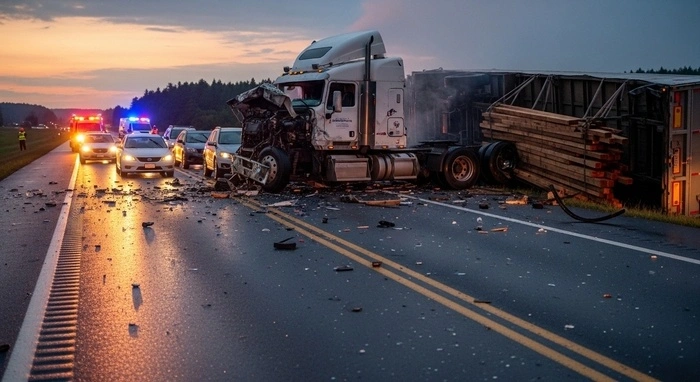
What Drivers Should Do After a Car Accident Before the Insurance Company Calls
A car accident can throw your whole day off in a matter of seconds. One moment you are driving to work, picking up food, or heading home, and the next you are standing on the side of the road with your heart racing, trying to figure out what just happened. Some crashes are minor. Others leave you with pain, damage to your car, and a long list of questions you were not expecting to deal with.
In those first few hours, it is easy to say the wrong thing, forget important details, or assume the insurance company will sort everything out fairly. That is why many drivers benefit from speaking with the team at the Law Offices of Adrianos Facchetti before the process gets too far along. Getting clear guidance early can help you protect your rights, avoid common mistakes, and make better decisions before the calls from adjusters start shaping the story for you.
Make Sure Everyone Is Safe First
Before anything else, check yourself and anyone else involved for injuries. If someone is seriously hurt, call 911 right away. Even if the crash does not look major, it is still smart to take a breath and pay attention to how your body feels. Pain does not always show up immediately. Adrenaline can hide neck pain, back soreness, or headaches until later.
If the vehicles can be moved safely, get to the side of the road and turn on your hazard lights. If they cannot be moved, stay in a safe place and wait for help. The first priority is always safety, not paperwork, not blame, and not who thinks they had the green light.
Call the Police and Get the Crash Documented
A lot of drivers try to handle things casually after an accident, especially if the other driver says something like, “Let’s not involve insurance.” That can sound easier in the moment, but it often causes trouble later. If there are injuries, major damage, or disagreement about what happened, having an official report can make a big difference.
When the police arrive, stick to the facts. Tell them what happened as clearly as you can without guessing. If you are not sure about something, say so. A calm, straightforward statement is much better than trying to fill in gaps just to sound certain.
Take Photos While the Scene Is Fresh
Your phone can be one of the most useful tools you have after a crash. Take photos of the damage to all vehicles, the position of the cars, skid marks, broken glass, nearby traffic signs, and anything else that helps show what happened. If there are visible injuries, photograph those too.
It may feel like overkill at the time, but scenes change fast. Cars get moved, debris gets cleaned up, weather shifts, and memories become less clear. Those photos can end up being one of the strongest pieces of evidence you have.
Exchange Information, But Keep It Simple
You should exchange names, phone numbers, license plate numbers, driver’s license information, and insurance details with the other driver. If there were witnesses, ask for their names and contact information too. A witness who seemed unimportant at the scene may become very important later if the story changes.
At the same time, try not to get pulled into a debate about fault. This is one of the biggest mistakes people make. Even saying “I’m sorry” out of politeness can be twisted into an admission. Be respectful, but do not guess, apologize, or argue.
Get Medical Care, Even If You Think You Feel Fine
One of the most common problems after a car accident is delayed pain. People often go home feeling shaken but mostly okay, only to wake up the next day barely able to turn their neck or sit comfortably. That is why it is a good idea to get checked out as soon as possible, especially if the crash involved any meaningful impact.
Medical records do more than help you heal. They also create a timeline. If you wait too long to see a doctor, the insurance company may later argue that your injuries were not serious or may have come from something else. A prompt evaluation helps close that gap.
Be Careful Before Talking to Insurance Adjusters
Many people assume the insurance company is just calling to help move things along. Sometimes the adjuster sounds friendly, patient, and supportive. But their job is still to protect the company’s financial interests. The first conversation may seem simple, but it can affect your claim more than you realize.
If you speak too soon, you may downplay your injuries because you do not fully understand them yet. You may guess about details that later turn out to be wrong. You may even agree to a recorded statement before you understand why that matters. Once something is on record, it can be used against you later.
This is why it is often smarter to slow down and get advice before you go into detail. You do not have to rush into every conversation just because someone from insurance calls quickly.
Keep Records From the Beginning
After a crash, little details pile up fast. Medical bills, repair estimates, missed work, prescription costs, towing charges, rental car expenses, and follow-up appointments can all become part of the bigger picture. If you do not keep track of them early, it gets harder later.
A simple folder or notes app can help. Save receipts, appointment summaries, photos, and written communication. If your pain interferes with work, daily chores, sleep, or driving, write that down too. Those day-to-day effects matter more than people think when it comes to understanding the full impact of the crash.
Understand That Fast Offers Are Not Always Fair Offers
It is not unusual for an insurance company to make a quick offer, especially when liability seems clear. To someone facing repair bills and medical costs, fast money can feel like relief. But quick settlements often come before the full cost of the crash is known.
If you settle too early, you may discover later that you need more treatment, more time off work, or more help than you expected. By then, it may be too late to ask for more. That is one reason why patience matters. A fair claim is usually built on complete information, not just early assumptions.
Why Early Legal Guidance Can Matter
Not every fender bender turns into a major legal case, but when injuries, disputed fault, or insurance delays show up, early legal guidance can make the process much easier. A good car accident attorney helps organize the facts, deal with adjusters, protect important evidence, and make sure you do not unknowingly weaken your own claim.
That support is especially valuable when you are trying to recover physically while also dealing with paperwork and phone calls you never asked for. Instead of reacting to the insurance process one step at a time, you can move forward with a clearer plan.
Taking the Right Steps While Everything Is Still Fresh
The hours after a car accident are not the time to wing it. Small choices made early can affect repairs, medical care, insurance conversations, and any claim that follows. Staying calm, documenting the scene, getting checked out, and being cautious with what you say can put you in a much stronger position.
A crash may be unexpected, but your next steps do not have to be. When drivers understand what to do before the insurance company starts calling, they are more likely to protect themselves, avoid preventable mistakes, and move through the aftermath with more confidence and less regret.