Can You Sell a Junk RV Without Repairs? Here’s the Truth
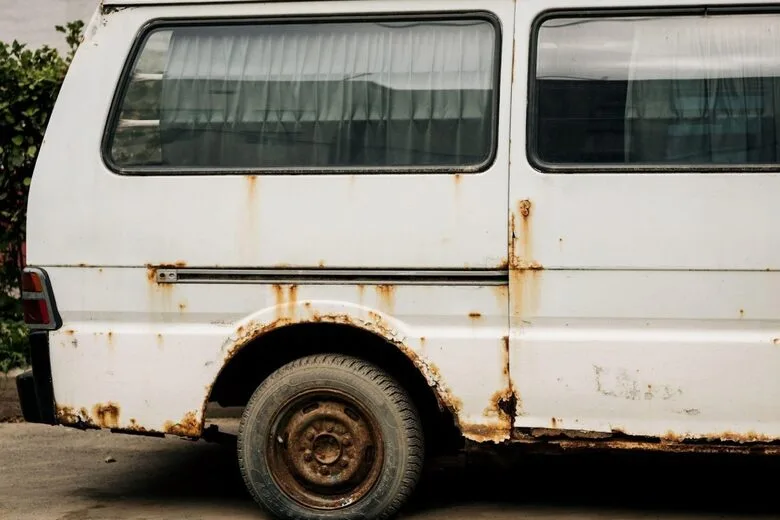
A junk RV has a way of becoming background noise. It sits, it sags, and every season you tell yourself you’ll patch the roof, replace the batteries, or figure out why the fridge quit. Meanwhile, storage fees add up, neighbors notice, and the “quick weekend fix” turns into a long-running project. The truth is simpler than most owners expect: you can sell a junk RV without repairs, but you need to understand what buyers actually pay for and what information makes them comfortable enough to make a real offer.
Yes, You Can Sell As-Is, but Buyers Price Risk
You can absolutely sell your junk RV without putting another dollar into repairs, because many buyers are not shopping for a vacation-ready rig. They’re buying an as-is unit for parts value, salvage potential, or a rebuild project, and those buyers exist specifically because not every RV makes sense to restore. The key is accepting that as-is pricing is built around risk and recovery, not around what the RV used to be worth when it was road-ready.
That does not mean you must accept a terrible offer. It means you should stop thinking like a retail seller and start thinking like someone liquidating an asset. The cleaner your information and the lower the uncertainty, the less buyers feel the need to pad their offer with “just in case” deductions.
What Counts as “Repairs” and What Counts as Smart Prep
Repairs are anything that costs meaningful money or time: roof replacement, engine work, slide rebuilds, electrical troubleshooting, plumbing leaks, and appliance swaps. Smart prep is different. It’s a low-cost effort that prevents delays and makes the sale smoother, even for a non-running RV.
Smart prep usually looks like this:
- Remove personal items, food, and trash so the RV is accessible.
- Wipe down obvious messes and air it out so buyers can inspect quickly.
- Locate the title, registration, and any lien release paperwork.
- Take clear daytime photos of the exterior, tires, main living area, and damage spots.
- Write a short, honest list of known issues.
You are not trying to impress someone into paying retail. You are trying to reduce confusion so the buyer can price it accurately and move forward.
The Real Reasons People Get Stuck Trying to Fix It First
Most owners do not keep repairing because the RV is guaranteed to be worth it. They repair because they want the story to end neatly. A working RV feels like a “proper” sale. A broken RV feels like a compromise. That emotional gap is where money disappears.
The financial reality is that junk RV repairs often reveal more problems. Water damage hides behind panels. Electrical issues multiply. Tires, brakes, and batteries rarely come alone. If you are already calling it junk, the odds are you will spend more chasing “sellable” than you will ever recover, especially once you factor in your time.
What Buyers Evaluate When the RV Doesn’t Run
Even non-running RVs can have strong value if they’re complete and accessible. Buyers commonly evaluate four areas: structure, systems, parts value, and pickup difficulty. You don’t need to diagnose every issue, but you should understand the big signals.
Buyers tend to look at:
- Structure: roof soft spots, wall delamination, mold smells, floor rot
- Systems: generator presence, electrical panel condition, propane setup
- Parts: AC unit, refrigerator, furnace, jacks, awning, slide components
- Logistics: can it be towed, are keys available, is it blocked in
If you can answer basic questions, you shorten the sale. If you cannot, buyers assume the worst and price accordingly.
How to Describe Damage Without Scaring Off Serious Buyers
Many owners either overshare in a panicked way or hide issues behind vague phrases like “needs TLC.” Neither works. The best approach is calm, specific, and brief. Say what is wrong, what still works if you know, and what you have not tested. That level of honesty attracts serious as-is buyers because they are not looking for perfection.
Try this style:
- “Roof leak near rear vent, soft spot in that corner.”
- “Engine cranks but does not start, hasn’t run in two years.”
- “Fridge not cooling, AC turns on, furnace untested.”
- “Slide moves but sticks at the end.”
This is not negativity. It is clarity. Clarity saves you from endless messages and wasted meetups.
When Selling As-Is Is the Best Move
Selling as-is is usually the smartest choice when repairs are too costly, the RV has been sitting for a long time, or the damage affects the structure and safety. It’s also wise when you need the space, you are relocating, or you simply want the project out of your life.
There’s also a practical bonus: once you decide to sell the RV as-is, it’s easier to clean up other “someday” vehicles on your property. If you have a junk car or damaged car sitting nearby, selling it can free space for pickup access, reduce stress, and add extra cash that you can put toward something reliable. Many non-running vehicles still have value, and clearing them at the same time can make the whole reset feel complete.
The Truth Is You’re Not Required to Repair It
You do not have to repair a junk RV to sell it. You need to shift your goal from “make it perfect” to “make it easy to price.” That means smart prep, honest details, and realistic expectations about as-is value. When you remove uncertainty, you reduce lowball behavior and speed up the sale.
If your RV has become a parked burden, selling as-is is often the cleanest exit. And if you’re ready to reclaim your driveway for good, consider selling junk cars or damaged cars you no longer use, too. Turning unused vehicles into cash is not just practical, it’s a clear step toward moving on.